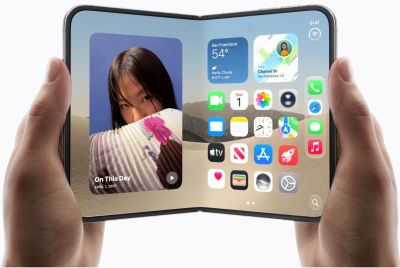
Are Laptops Officially Obsolete? How Foldable Phones and Tablets Threaten Traditional PCs
As ultra-portable devices surge in popularity, tech experts debate whether tablets can finally match the raw power and professional utility of the traditional PC

Laptops are not officially obsolete, despite the rapid technological advancement of foldable phones and tablets.
While mobile-first devices offer unmatched portability for casual users and digital artists, the traditional personal computer remains a cornerstone for complex professional workflows.
According to recent market analysis from TechRadar and hardware performance benchmarks from PCMag, laptops continue to dominate in heavy multitasking, software development, and resource-intensive video production.
As the divide between mobile and desktop computing narrows with new 2-in-1 hybrid designs, the choice between these platforms has become less about obsolescence and more about matching the right device to specific user demands.
For the everyday commuter, a foldable tablet provides convenience; however, for the enterprise professional, the physical keyboard and dedicated processing power of a laptop remain irreplaceable tools of the trade.
Design, Portability, and Form Factor Evolution
Tablets and foldable phones are thinner and lighter than conventional laptops, making them exceptionally easy to carry. These mobile devices feature responsive touchscreens and accommodate accessories like active stylus pens for digital artistry.
Laptops remain portable, yet they are typically bulkier due to integrated physical keyboards and larger screen configurations. However, 2-in-1 laptops bridge this gap by offering flexible hinge designs that seamlessly function as both a laptop and a tablet.
Performance, Productivity, and Processing Power
Tablets and foldable phones are engineered for simplicity, handling light tasks such as web browsing, media streaming, and note-taking with ease. In contrast, laptops feature faster multi-core processors, higher RAM capacities, and expansive storage drives.
Laptops handle demanding workflows like professional-grade video editing, software programming, and modern gaming. Investing in a laptop provides a powerful workstation capable of heavy multitasking across multiple resource-intensive programs running simultaneously.

Battery Life and Cost Comparison
Mobile devices frequently outperform laptops in battery longevity, delivering 8 to 15 hours of continuous use on a single charge to suit on-the-go lifestyles.
Laptops typically offer 6 to 12 hours of battery life, with heavy processing tasks like gaming or rendering significantly reducing operational time.
Regarding pricing, tablets and foldable phones range widely from economical entry points to premium tiers, whereas laptops start higher and scale rapidly for enterprise-grade hardware. Professionals justify the initial laptop expense through long-term usability and advanced functionality.
Who Are Tablets and Foldables Best Suited For?
- Casual Users: Perfect for streaming media, browsing social media, and reading eBooks with intuitive touch interfaces.
- Students: Excellent digital notebooks when paired with a stylus for drawing diagrams and annotating documents.
- Artists & Designers: Preferred by creative professionals for portable canvas drawing apps and photo-editing software.
- Frequent Travellers: Compact sizes easily slide into backpacks or handbags, providing connectivity during flights and commutes.
Who Are Laptops Best Suited For?
- Corporate Professionals: Built with the processing power, memory, and storage required for complex business applications.
- Gamers: Equipped with dedicated graphics processing units (GPUs), high-refresh-rate displays, and advanced thermal cooling.
- Researchers & Academics: Superior for writing research papers, managing large datasets, and juggling multiple browser tabs.
- Power Users: Essential for juggling multi-monitor setups, complex workflows, and resource-heavy software suites.
Can a Tablet Replace a Laptop?
High-end tablets can cater to casual users when paired with accessories, such as styluses and keyboards, but they remain incapable of handling heavy-duty tasks and complex professional work.
According to hardware evaluations from tech authority Tom's Guide and enterprise computing insights from ZDNET, traditional laptops are still relied upon by professionals who use resource-intensive applications, offering superior raw performance and multi-monitor versatility over any tablet.
Laptops remain far better suited for productivity tasks, such as enterprise work, academic study, and running demanding software suites, thanks to built-in physical keyboards, expansive internal storage, and versatile hardware connectivity. Conversely, tablets shine in portability, ease of use, and casual daily activities like web browsing, media consumption, and digital note-taking.
Choosing the Right Tool for Your Workflow
Ultimately, the choice between a tablet and a laptop depends entirely on your daily demands.
If your routine revolves around content consumption, travel convenience, sketching, and lightweight writing, a high-end tablet offers unbeatable flexibility and battery longevity. However, if your livelihood depends on heavy multitasking, professional coding, video editing, or managing complex data structures, a traditional PC or laptop remains an indispensable investment. Rather than one rendering the other obsolete, both devices continue to carve out distinct, complementary roles in modern digital life.
© Copyright IBTimes 2026. All rights reserved.
- Recommended For You