Pentagon Gatekeeper's Name Inside the DoD Finally Exposed as Congress Blocked From UFO Facility
Claims of a Pentagon 'gatekeeper' blocking UFO information raise transparency concerns in Washington.

A new wave of UFO/UAP allegations has reignited debate in Washington after NewsNation researcher Rob Jones publicly identified the man he believes serves as a key 'gatekeeper' between Congress and classified UFO information inside the Pentagon.
According to Jones's research, the alleged gatekeeper is David Kozik, a career Department of Defence civil servant reportedly connected to congressional intelligence coordination. Jones claims that nearly every UFO or UAP-related file heading to Congress has passed through his office.
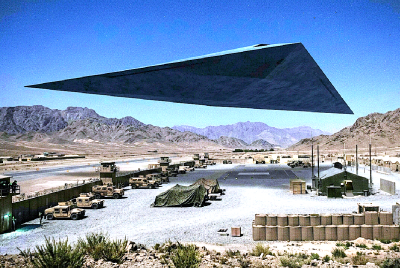
The claims surfaced as lawmakers investigating UAPs say they were blocked from accessing a facility tied to the UFO issue, raising new concerns about who actually controls disclosure inside the US government.
Congress Allegedly Denied Access to UFO Facility
Representative Tim Burchett stated in recent remarks that he and other lawmakers, including Eric Burlison, were denied access to a facility connected to the UAP investigation.
Burchett claimed congressional leadership told them the restriction came from the intelligence community itself rather than from Congress.
'I was told by leadership that it was blocked by the intelligence community - not the intelligence committee, but the intelligence community - and that is a very chilling effect. If someone can reach through the veil of government and block access to something, you've got to start asking yourself: who the hell is in control?' he said.
The allegation has intensified concerns that unelected officials or entrenched defence structures may be limiting oversight on one of the government's most controversial subjects.
Burchett also warned that Congress could begin using funding powers to pressure agencies if access to information continues to be blocked.
Rob Jones Identifies Alleged Pentagon 'Gatekeeper'
The most explosive element of the report came from Rob Jones, who presented detailed findings about David Kozik and his alleged role within the Department of Defence.
Jones claims Kozik has held overlapping intelligence and congressional coordination roles across multiple presidential administrations, including Trump and Biden.
below you will find my slide deck from the stream tonight, which is a comprehensive breakdown of the apex congressional gatekeeper, a man named David A. Kozikhttps://t.co/lm6GwlamVB pic.twitter.com/SgH6DrRkI2
— rob jones (@robjonesreports) May 12, 2026
According to the report, he serves within offices tied to the Under Secretary of Defence for Intelligence and Security – the same structure linked to AARO, the Pentagon's official UAP investigation office.
Jones also stated that public records tied to Kozik before 2017 are difficult to locate, adding another layer of intrigue to the story.
While none of these claims have been officially verified by the Department of Defence, the report has fuelled widespread discussion within the UFO disclosure community.
Rising Pressure From Lawmakers and UFO Researchers
Pressure for transparency is increasing from both Congress and independent researchers.
Lawmakers such as Burchett and Representative Eric Burlison have pushed for expanded access to historical UFO records, military footage, and classified programme documentation.
At the same time, UFO researchers, including Jeremy Corbell and George Knapp, claim they have provided Congress with additional military-recorded UAP material and investigative leads, intensifying calls for disclosure.
Corbell has argued in multiple interviews that classification systems built on 'need-to-know' principles can restrict even high-level officials from accessing certain programmes.
The Bigger Question Behind UFO Secrecy
While the identity of the alleged gatekeeper remains disputed, the broader issue is becoming harder to ignore: who controls UFO disclosure inside the US government?
Is information being withheld for national security reasons, bureaucratic fragmentation, or deliberate secrecy enforcement?
As congressional pressure builds and public interest accelerates, the UAP debate is shifting away from what exists toward a more uncomfortable question for Washington: who decides what the public – and even Congress – gets to see?
© Copyright IBTimes 2026. All rights reserved.
- Recommended For You