Pre-Funding Megxit? Here's Why Prince William Is Allegedly Obsessed With Charlotte and Louis's 'Bank Accounts'
As whispers of trust funds swirl, William battles primogeniture's legacy to secure his younger children's futures.


Prince William, the Prince of Wales, is reportedly fixated on securing robust financial futures for his younger children, Princess Charlotte and Prince Louis, to shield them from the monarchy's traditional 'heir and spare' cruelties. According to royal author Tina Brown in her latest 'Fresh Hell' Substack dispatch, the 43-year-old heir to the throne is determined that his second and third-born – Charlotte, 10, and Louis, 7 – will not suffer the stifled independence that has plagued royal siblings for generations.
This push comes amid lingering shadows from William's own fractured bond with his brother, Prince Harry, the Duke of Sussex, a rift that has fuelled endless palace intrigue. Brown's revelation paints William as haunted by primogeniture's harsh legacy, where the firstborn inherits the crown and the rest scramble for relevance. 'I am told that the heir to the throne, Prince William, is preoccupied with the built-in risk of primogeniture's cruelty,' she writes, suggesting he's plotting to equip Charlotte and Louis with the means for truly autonomous lives – whispers of 'bank accounts' hinting at pre-emptive trusts or nest eggs to rival their brother Prince George's destined fortune.
William's Quest to Shatter the Heir and Spare Cruelty
It is a bold gambit in a system rigged against the seconds. Royal author Robert Hardman, speaking to the Daily Mail last October, disclosed that William and Catherine, the Princess of Wales, are acutely 'concerned' about ensuring Charlotte and Louis never feel 'less loved or relevant' than George, now 12 and firmly the heir.
'Of course, Prince George is the heir, and that's the way it's going to be. It's a hereditary, hierarchical, constitutional monarchy. You can't change that,' Hardman told historian Kate Williams. 'But there are ways... in which you can try and ensure that you don't leave the younger ones feeling they are any less loved or any less relevant. They're just going to have to accept their career path is going to be different.'
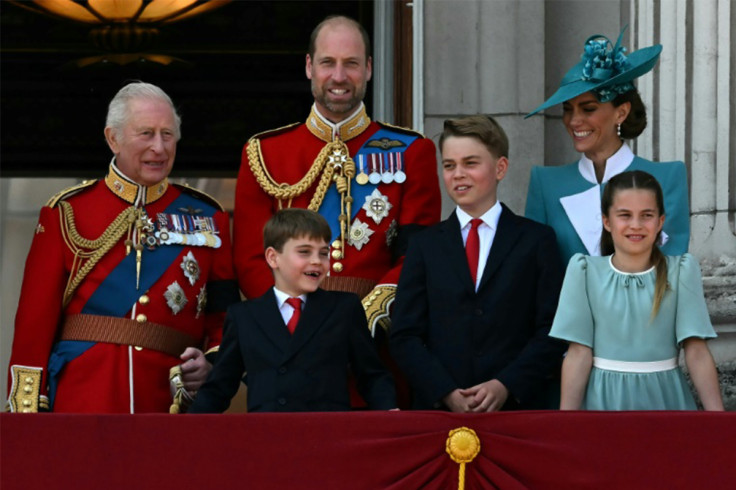
This is not mere sentiment but strategic parenting underpinned by financial foresight. The couple seeks to spare their children the resentment that affected 'spares' such as Princess Margaret or Prince Harry. Change has already taken effect: the 2013 reform to absolute primogeniture eliminated the old rule favouring firstborn sons, allowing Charlotte, hailed as the family's 'secret weapon,' to move ahead of any future brothers in the line of succession.
Historian Tom Quinn, in a Channel 5 documentary, suggested that this adjustment prevents 'two males like two deer clashing antlers,' promoting harmony among the Wales trio. Ailsa Anderson, former press secretary to Queen Elizabeth II, agreed that the children would enjoy 'more freedom and choice than their father had.'
Yet history mocks such optimism. Three generations back, King Edward VIII's 1936 abdication to wed Wallis Simpson thrust an unwilling George VI onto the throne, poisoning fraternal ties forever. Closer to home, Andrew eclipsed Anne as Charles's 'spare' under outdated laws, while Margaret chafed at her shadow role despite her intimacy with the queen.
'Margaret was the only person on the planet who always knew Elizabeth as a peer,' Brown has noted elsewhere, but biographer Andrew Morton quotes her lament: 'I have never suffered from "second-daughter-itis." But I did mind forever being cast as the "younger sister."'
Securing Bank Accounts Against Royal Shadows
William's reported focus appears deeply personal, serving as a quiet critique of his parents' mistakes. In an October discussion with Schitt's Creek star Eugene Levy, he outlined his philosophy, emphasising the importance of balancing work and family life. He highlighted that family is his foremost priority and that providing children with a happy, healthy and stable home from the start is crucial to prevent hardship.
The security he referenced likely includes financial safeguards, enabling Charlotte and Louis to make independent choices – or even consider a 'Megxit' – without facing the financial strain that accompanied Prince Harry's contentious departure.
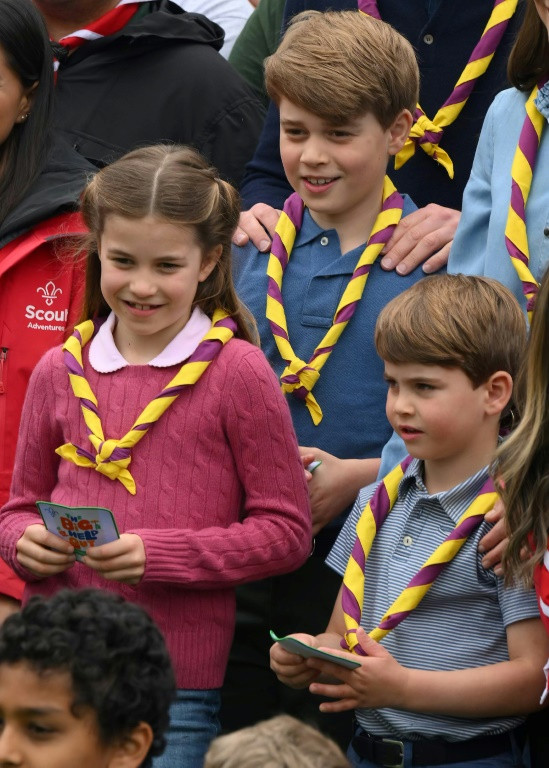
Sceptics may dismiss this as tabloid speculation, relying on unverified gossip from palace sources. Brown acknowledges that her information is second-hand, and no statement from Kensington Palace confirms the existence of trust funds or dedicated accounts. Nevertheless, the narrative aligns with William's apparent approach: a modern father fostering equality within an unequal institution, potentially front-loading inheritances to prevent future disputes. If he is indeed preparing his children to be well-financed for independent lives, as Brown suggests, it could redefine sparehood – not as a burden, but as a choice supported by financial security.
Palace watchers speculate this financial bulwark might include diversified assets, education funds, or even property, insulating against the 'thwarted freedom' of yore. Quinn predicts smoother sibling dynamics without male-line clashes, while others credit the Waleses' push for 'normal' upbringings – school runs, hobbies, mates over protocol – as the real game-changer. Anderson's point lands hard: greater autonomy awaits, if William's determination holds.
© Copyright IBTimes 2026. All rights reserved.
- MOST POPULAR IN Royals