FIFA World Cup 2026 Prize Money Revealed: How Much Champions Will Earn From Record $727 Million Pot
FIFA states the 2026 prize fund is 50% higher than Qatar 2022, with all 48 teams guaranteed at least $9 million

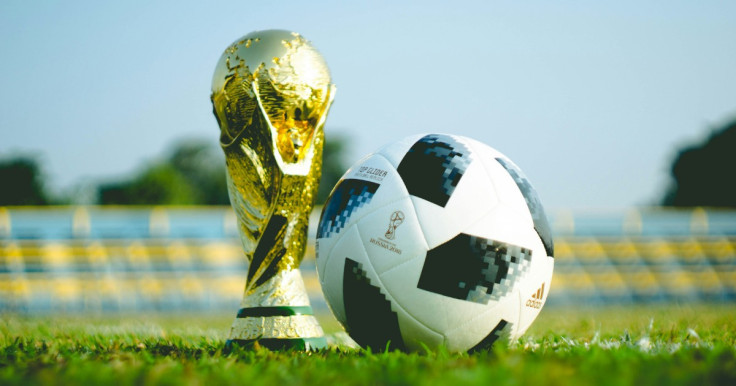
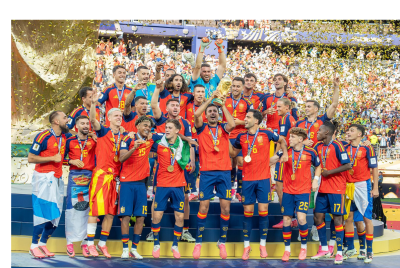
The winners of the 2026 FIFA World Cup will receive a record $50 million, the largest champions' payout in the tournament's history, as FIFA prepares to distribute an unprecedented $727 million across the competition.
According to FIFA, the prize fund for the tournament in the US, Canada, and Mexico is 50 per cent higher than the amount distributed at the 2022 World Cup in Qatar. Every one of the 48 participating nations will receive prize money, ensuring all qualified teams benefit financially from taking part in the tournament.
The figures underline the scale of what will be the biggest World Cup ever. From football's traditional powerhouses to nations making their tournament debut, every team will leave North America with a multimillion-dollar payout.
A Historic Payday for the Champions
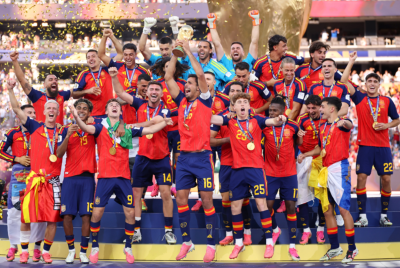
The champions' reward represents an $8 million increase on the amount received by Argentina after winning the 2022 World Cup.
The payment is made to the winning football federation rather than directly to players. Individual player bonuses are determined separately by national associations and existing agreements. The increase forms part of FIFA's wider expansion of the tournament's financial package for 2026.
How the 2026 Prize Compares With Previous World Cups
The 2026 champions will receive substantially more than winners of previous World Cups. According to FIFA's published prize-money figures, France earned $38 million after winning the 2018 World Cup in Russia, while Argentina received $42 million for lifting the trophy in Qatar in 2022.
The 2026 payout represents an increase of nearly 32 per cent compared with the amount awarded to the 2018 champions.
FIFA World Cup Winner Prize Money
— The Data of Everything (@TheDataHubX) June 11, 2026
2026 🏆 2026 Champion - $50.0M
2022 🇦🇷 Argentina - $42.2M
2018 🇫🇷 France - $38.1M
2014 🇩🇪 Germany - $35.1M
2010 🇪🇸 Spain - $30.1M
2006 🇮🇹 Italy - $12.2M
2002 🇧🇷 Brazil - $8.5M
1998 🇫🇷 France - $6.4M
1994 🇧🇷 Brazil - $4.5M
1990 🇩🇪 West Germany -... pic.twitter.com/bSotAN5AmC
Why FIFA Has Increased the Prize Money
The 2026 World Cup will be the first to feature 48 teams, up from 32 in previous editions. The expanded format brings more matches and more participating nations, prompting FIFA to increase financial rewards throughout the tournament.
The battle for the title is not the only contest with financial implications. FIFA will award $33 million to the runners-up, while the third- and fourth-placed teams will receive $29 million and $27 million respectively, ensuring the final weekend carries significant stakes both on and off the pitch.
Teams reaching the quarter-finals will receive $19 million each if they do not progress further. Nations eliminated in the round of 16 will earn $15 million.
The 2026 tournament will also introduce a round of 32 as part of FIFA's expanded format. Teams eliminated at that stage will receive $11 million. The additional knockout round gives more nations a chance to progress beyond the group stage and secure larger financial rewards.
Even Group Stage Exits Are Rewarded
Teams that fail to advance from the group stage will still receive substantial financial compensation. Nations finishing between 33rd and 48th place will each earn $9 million in prize money.
In addition, every federation that qualifies for the tournament will receive a preparation payment of $1.5 million from FIFA. This funding helps national associations cover training camps, travel arrangements, logistics, and other tournament-related costs before the competition begins.
2026 FIFA World Cup Prize Money Breakdown
- Champions: $50 million
- Runners-up: $33 million
- Third Place: $29 million
- Fourth Place: $27 million
- Quarter-finalists (5th-8th): $19 million
- Round of 16 (9th-16th): $15 million
- Round of 32 (17th-32nd): $11 million
- Group Stage Exits (33rd-48th): $9 million
- Preparation Payment for Every Qualified Team: $1.5 million
While fans will remember the goals, drama, and eventual champions, the financial impact of the 2026 World Cup could be felt long after the final match is played.
For many federations, the funds earned in North America will help support youth development, coaching programmes, and infrastructure projects for years to come. In that sense, the tournament's legacy may extend far beyond the trophy itself, shaping the future of football across every continent.
© Copyright IBTimes 2026. All rights reserved.
- Recommended For You