

10 Photos of Lionel Messi: Argentina's La Pulga's Efforts Fall Short, Spain Wins the 2026 FIFA World Cup
Ferran Torres led Spain to victory over Argentina with his lone goal in the 2026 World Cup final
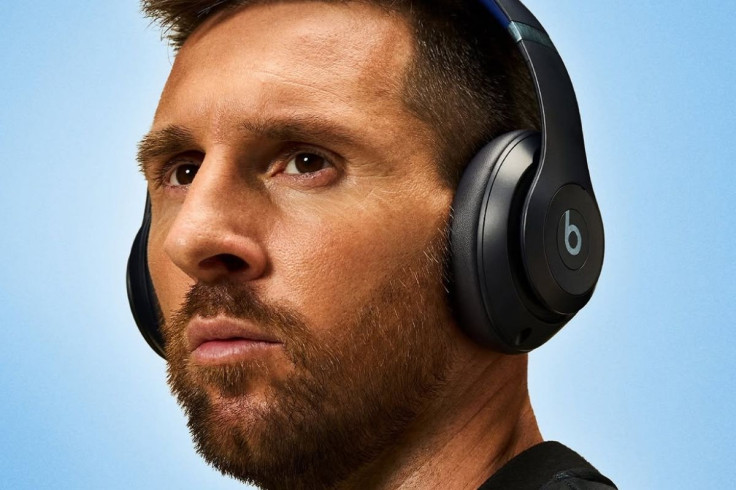
Spain ended Argentina's reign as world champions with a dramatic 1-0 extra-time victory in the 2026 FIFA World Cup final, denying Lionel Messi a dream farewell on football's biggest stage. Ferran Torres emerged as the unlikely hero at New York New Jersey Stadium, scoring in the 106th minute after more than 100 minutes of relentless Spanish pressure. The result handed Spain their second men's World Cup title and prevented Argentina from becoming the first nation in nearly seven decades to successfully defend the trophy.
For Messi, widely known by his nickname La Pulga, the defeat carried enormous emotional weight. At 39, the Argentine captain had inspired his country throughout the tournament with decisive goals and moments of brilliance, raising hopes that his final World Cup appearance could end with another golden chapter. Instead, he left the pitch devastated as Spain's younger generation completed a changing-of-the-guard moment led by teenage sensation Lamine Yamal and a disciplined side coached by Luis de la Fuente.
The final immediately dominated social media, with supporters praising Messi's extraordinary tournament while celebrating Spain's tactical masterclass. Football fans around the world described the match as the symbolic passing of one era to another, with many noting the contrast between Messi's experience and Spain's youthful core. The contest had been billed as one of the most anticipated World Cup finals in modern history, and although it produced only one goal, it delivered unforgettable drama.
Spain's Patience Finally Breaks Argentina's Resistance
The scoreline hardly reflected Spain's dominance throughout the match.
Luis de la Fuente's side controlled possession for long spells, repeatedly forcing Argentina deep into their own half. Spain finished with significantly more shots and corners, while Argentina struggled to create meaningful attacking opportunities despite having Messi and Julián Álvarez leading the line. Emiliano Martínez produced several important saves to keep the reigning champions alive during normal time.
Argentina's task became even harder when Enzo Fernández received a second yellow card in stoppage time, leaving Lionel Scaloni's men to play extra time with ten players. Despite their determination, the numerical disadvantage eventually proved decisive.
Torres, introduced from the bench, seized his opportunity by firing a powerful left-footed effort beneath the crossbar in the 106th minute. It was the breakthrough Spain had deserved after controlling much of the final.
Lionel Messi's Final World Cup Ends in Heartbreak
While the result disappointed Argentina, it did little to diminish Messi's remarkable tournament.
The veteran captain entered the final after leading Argentina back to another World Cup showpiece with a series of influential performances. Before the final, he had scored eight goals during the tournament and once again proved capable of deciding matches through moments of individual brilliance.
Against Spain, however, opportunities were limited. The European champions successfully crowded the midfield, cutting off passing lanes and reducing Messi's space between the lines. Although he continued searching for openings until the final whistle, Spain's organised defensive structure prevented him from producing another magical moment.
Whether this truly marks Messi's final appearance at a World Cup remains uncertain, but the emotional scenes following the final whistle suggested the end of an extraordinary chapter in international football.
Why Spain Were Worthy World Champions
Spain's triumph was built on consistency rather than spectacle.
Entering the final, they possessed the tournament's best defensive record, conceding just one goal while controlling matches through patient possession and intelligent pressing. Their midfield, anchored by Rodri, dictated the tempo throughout the competition and once again demonstrated why Spain remain among football's elite tactical sides.
The victory also completed an extraordinary achievement. Spain became the first nation to simultaneously hold both the men's and women's FIFA World Cup titles, underlining the strength of the country's football development system.
Teenage winger Lamine Yamal may not have scored in the final, but his performances throughout the tournament confirmed his status as one of football's brightest young stars. Alongside experienced leaders such as Rodri, Dani Olmo and Aymeric Laporte, Spain combined youthful flair with tactical maturity.
A Final That Symbolised Football's Changing Era
Long before kick-off, FIFA President Gianni Infantino described the meeting between Messi and Yamal as 'a blessing from the football gods', presenting it as the perfect conclusion to an expanded 48-team tournament. In many ways, the final lived up to that billing.
The tournament itself broke records for goals scored and attracted enormous global audiences across the United States, Canada and Mexico. Yet its final image may be remembered less for statistics than for symbolism: Messi applauding the supporters after defeat while Spain celebrated a new world title.
Argentina leave North America without retaining the World Cup, but their captain once again reminded the football world why he remains one of the greatest players the sport has ever produced. Spain, meanwhile, depart as deserved champions after completing a tournament defined by discipline, patience and clinical execution when it mattered most. Their victory not only crowns a new generation of Spanish footballers but also signals the beginning of a fresh chapter in international football.
© Copyright IBTimes 2026. All rights reserved.