

Who Was Jason Arday? Cambridge's Youngest Black Professor Who Learned to Read at 18
Thousands honour Cambridge professor remembered for resilience and race equality work
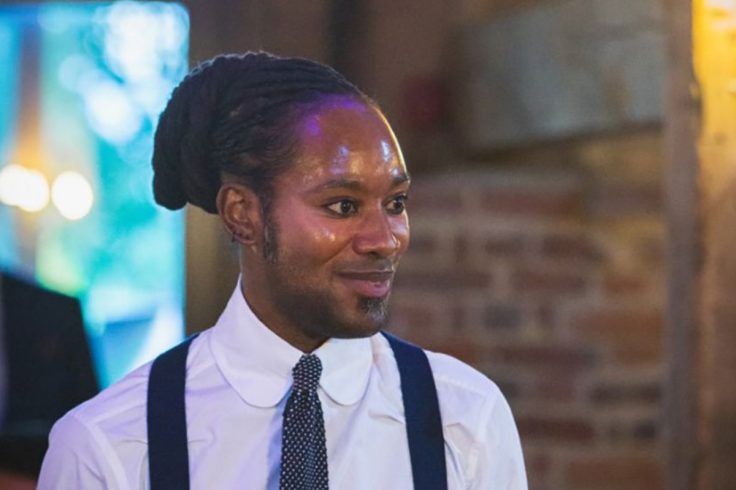
Jason Arday, the former University of Cambridge professor who became the university's youngest Black professor, has been remembered by thousands after his death at the age of 41.
A vigil was held at Trafalgar Square in London on 17 August, with an estimated 30,000 people gathering to honour the sociologist and campaigner. Arday had resigned from Cambridge shortly before his death amid allegations concerning his academic work, which he denied.
His extraordinary journey from childhood developmental difficulties to one of Britain's most prestigious universities had made him a prominent voice on race, education, inequality and social mobility.
From Childhood Struggles to Cambridge
Born and raised in Clapham, south London, Arday was diagnosed with autism at the age of three. Cambridge noted he was unable to speak until he was 11 and did not learn to read or write until he was 18.
Despite those challenges, he went on to study Physical Education and Education Studies at the University of Surrey before training as a teacher. He later completed two master's degrees and a PhD in education.
Arday went on to hold academic positions at the University of Roehampton, Durham University and the University of Glasgow. In 2021, he became Professor of Sociology of Education at Glasgow. Two years later, Cambridge appointed him Professor of Sociology of Education at the age of 37, making him the youngest Black person ever to hold a professorship at the university.
A Career Focused on Race and Education
Much of Arday's academic work examined race, inequality and representation in higher education. His research covered the experiences of Black students and academic staff, mental health, neurodiversity and the barriers facing people from disadvantaged backgrounds.
Cambridge described him as a leading scholar in these areas and noted his involvement with organisations including the Runnymede Trust and the British Sociological Association.
He also worked with government bodies and organisations on anti-racism strategies and initiatives designed to improve representation within education.
His achievements extended beyond academia. In 2010, Arday completed 30 marathons in 35 days to raise money for charity, an accomplishment that contributed to his selection as a torchbearer at the 2012 London Olympics.
Cambridge Appointment and Later Scrutiny
Arday's appointment at Cambridge was widely regarded as another milestone in his career. He had previously written a goal on his bedroom wall while studying for his PhD: that he would one day work at Oxford or Cambridge.
His final weeks, however, were marked by intense scrutiny of his academic record and personal history. He resigned from Cambridge amid allegations of plagiarism and questions surrounding aspects of his career. Arday denied the allegations.
Cambridge subsequently announced an investigation, while the university later acknowledged the circumstances surrounding his death and the intense public attention he had faced.
Thousands Gather to Remember Arday
The Trafalgar Square vigil became a major public tribute, with mourners gathering to celebrate Arday's contribution to education and social justice. Speakers also criticised the level of scrutiny and hostility directed towards him before his death.
His family has described the pressure he experienced as overwhelming, while supporters have called for reflection on how Black academics and vulnerable public figures are treated.
Police have said Arday's death was unexpected but is not being treated as suspicious.
For those gathered in London, his legacy remains centred on a remarkable transformation: from a child who struggled to speak and only learned to read at 18, to a Cambridge professor who dedicated his career to making higher education more accessible and representative.
© Copyright IBTimes 2026. All rights reserved.