

James Cleverly Claims Institutions Used Jason Arday as a 'Black Wunderkind' Prior to Tragic Death
The rise and unravelling of Jason Arday has exposed how Britain's universities can celebrate a symbol of change while failing the man at the centre of the story
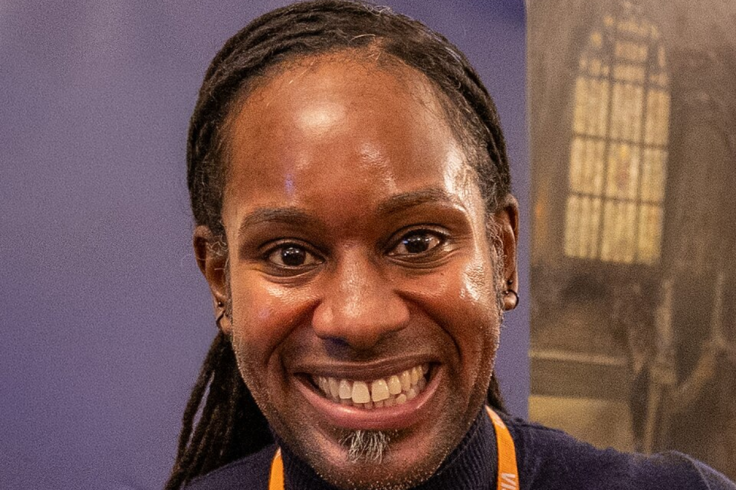
James Cleverly has accused universities and parts of the media of using Jason Arday as a 'black wunderkind' and then abandoning him, after the Cambridge professor at the centre of a plagiarism row was found dead at his home in Battersea, south London, on Friday afternoon.
The education secretary said institutions had been keen to celebrate the academic's rise but had failed to provide 'real support' when his work came under intense public scrutiny.
Emergency services were called to an address in Battersea on Friday afternoon, where they found Arday unresponsive. The Metropolitan Police later confirmed the 41-year-old's death is being treated as unexpected but not suspicious.
Arday, who became the University of Cambridge's youngest-ever Black professor at 37, had resigned his post as professor of sociology of education just a week earlier after allegations of plagiarism and questions about some of his stated achievements. He consistently denied the plagiarism allegations, while acknowledging errors in his work.
In a statement released through his publisher, Arday's family said they were 'in shock to have lost this amazing father, partner, brother, uncle and son.'
They blamed what they called 'a campaign of misinformation,' saying it had been 'too much for Jason, who was a gentle man and who always wanted to see the best in everyone.'Police have not disclosed a cause of death, and no official finding has linked his death to the controversy surrounding his academic work
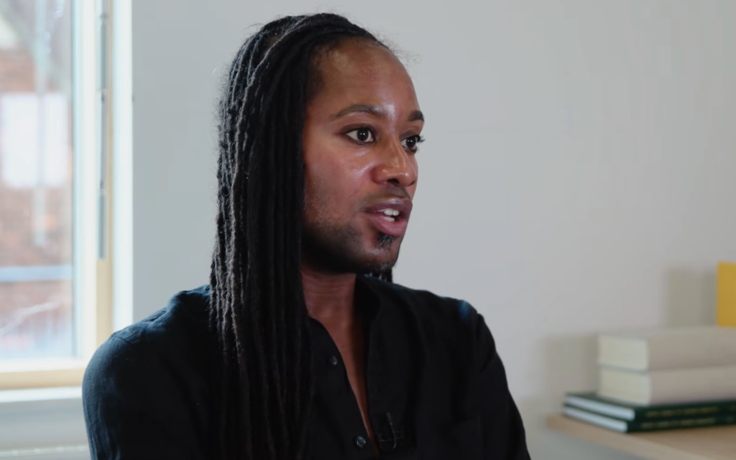
The criticism that later engulfed him began when Nathan Cofnas, a fellow academic who describes himself as a 'race realist' and who lost his Cambridge fellowship following a controversy over his writings on race, claimed to have uncovered numerous examples of plagiarism in Arday's publications.
Those claims triggered wider scrutiny and institutional reviews. Liverpool John Moores University, which awarded Arday his PhD in 2015, previously reviewed allegations concerning his thesis and concluded that plagiarism had not been established. Journals that had published his work also carried out checks.
Arday said mistakes in his early papers were linked to his autism, explaining that he depended heavily on mimicry to process information and write. He argued that similar scrutiny would reveal comparable issues in other academics' work, and he criticised the way he was being portrayed.
'We're talking about academia here. I didn't murder somebody. I think the cruelty that I've experienced and the positioning of me as this kind of liar and fantasist is totally unacceptable,' he said.
James Cleverly, Jason Arday and the Burden of Symbolism
Cleverly, who only recently took over as education secretary, has now stepped into a fraught debate. He suggested that universities and media outlets had been quicker to market Arday as a symbol of progress than to look after him as a person.
His comments tap into a long-running unease about how rare Black professors in the UK are treated. Official figures show Black academics accounted for 1% of professors at UK higher education providers in 2024-25, with 270 Black professors among 26,110 professors overall, making such appointments particularly rare.
When Cambridge announced Arday's appointment in 2023, it was widely praised as a landmark moment. He had worked as a PE teacher before gaining his doctorate at Liverpool John Moores, then moved through posts at Durham University and the University of Glasgow, eventually taking up Cambridge's professorial chair in sociology of education.
The story was inspirational and attracted international attention, something he explored in his memoir, Great and Unfortunate Things, which recounts his journey from being nonverbal during much of his childhood after being diagnosed with autism and developmental delays at age 3 to a professorship at one of the world's best-known universities. Those details about his childhood form part of Arday's own account of his life.
Yet that celebration also created unusual pressure. In announcing his resignation last week, Arday said the 'personal cost' of the storm around his work had become 'too great.' While criticism was part of academic life, he wrote, what he had experienced 'has gone far beyond scholarly disagreement.
The relentless accusations, speculation and public commentary have taken a profound toll on me and on those I love.' He insisted stepping down should not be 'mistaken for an acceptance of the narratives that have surrounded me.'
Institutions Scramble After Jason Arday's Death
Senior figures in higher education are now facing questions about institutional support and how the controversy was handled. Cambridge Vice-Chancellor Deborah Prentice said the university was 'desperately saddened' by the news and offered 'heartfelt sympathies' to Arday's family and friends.
Earlier in the week, before his death became public, Cambridge announced an independent investigation into the circumstances surrounding Arday's appointment and subsequent employment, involving senior academics from inside and outside the university.
Glasgow University, where Arday previously held a chair, had also begun reviewing his work before his death. It said it was 'shocked and saddened' by the death of a former colleague and sent condolences to his family. Durham University called him 'a kind and warm person, who actively sought to promote opportunities for PhD students.'
Not everyone is convinced that formal reviews and carefully worded tributes are enough. Jolyon Maugham of the Good Law Project described Arday's death as 'a tragedy' and questioned what public interest there had been in 'continuing to hound him' after his resignation.
He also challenged media organisations to explain what risk assessments, if any, they had made before commissioning and running coverage focused intensely on the academic.
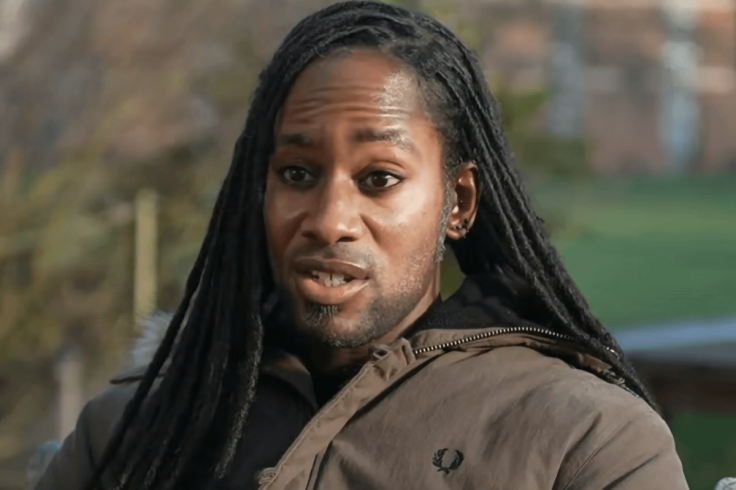
Professor Kehinde Andrews, a professor of Black Studies and a close friend, said Arday was 'very down' after quitting Cambridge. 'He was very upset. He felt that there was no way out. He effectively wasn't leaving the house. He had lost a lot of weight.'
Andrews argued the case 'should be a wake-up call to just how bad Black academics actually have it in academia.' His comments describe Arday's state before his death but do not establish its cause.
Labour MP Bell Ribeiro-Addy said that 'the idea that an academic would be dragged through this amount of media scrutiny is unheard of,' a line that echoes Cleverly's warning about how individuals such as Arday are elevated and then exposed.
Last weekend, with the row still raging, Arday cancelled an event to promote Great and Unfortunate Things. Publisher Simon & Schuster is scheduled to release the UK edition on 27 August, following the US edition's publication on 11 August.
For now, that autobiography, a story of extraordinary achievement and profound setbacks, has acquired a tragic new context as questions continue over the scrutiny Arday faced during the final weeks of his life. What role, if any, that pressure played in his death has not been established, and police have said only that his death was unexpected but is not being treated as suspicious.
© Copyright IBTimes 2026. All rights reserved.