

Jason Arday Row Explodes as Cambridge Chancellor Condemns 'Racist Feeding Frenzy'
Cambridge's chancellor condemns the media coverage as more than 93,000 people sign an inquiry petition
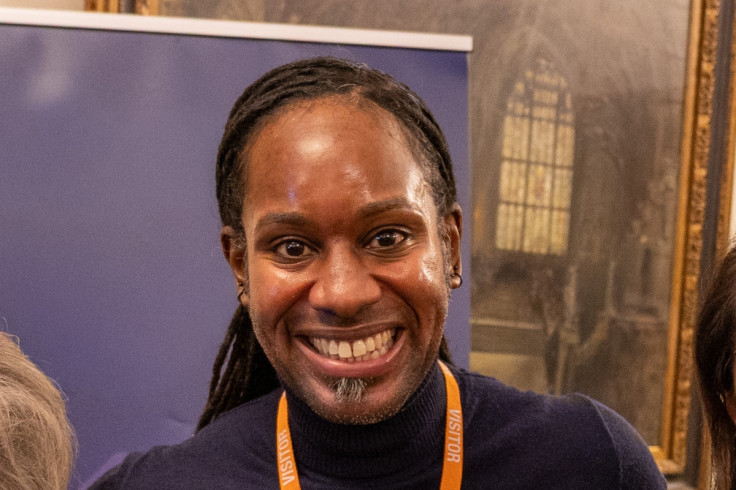
More than 93,000 people have signed a petition calling for an inquiry into the media coverage surrounding former Cambridge professor Jason Arday, as the university's chancellor condemned what he described as a 'racist feeding frenzy.'
Arday, 41, was found dead at an address in Battersea, South London, on 14 August, days after resigning as Cambridge's professor of sociology of education. He had faced weeks of scrutiny over allegations concerning his academic work and professional background, which he denied while acknowledging mistakes. Police said his death was unexpected but is not being treated as suspicious.
The controversy has since widened into a debate over academic standards, media responsibility and the treatment of Black academics. Arday's family said he had been subjected to misinformation and harassment, while supporters have called for an inquiry into the coverage surrounding him.
Cambridge Chancellor Condemns Media Coverage
Cambridge Chancellor Lord Chris Smith told the BBC that allegations of plagiarism should be investigated rigorously, but said this could be done without joining what he called a 'racist feeding frenzy' against an individual academic.
His comments came as more than 93,000 people signed a Good Law Project petition calling for a public inquiry into the media coverage. The petition has attracted support from MPs, academics and public figures.
Thousands gathered in Trafalgar Square on Monday for a vigil organised by Stand Up To Racism. Labour MP Diane Abbott told the crowd that Arday had faced a 'vicious and bitter media campaign,' while arguing that some criticism was linked to opposition to a Black man holding a senior position at Cambridge. More than 200 people also attended a vigil organised by Arday's former postdoctoral students in Cambridge on Sunday.
Plagiarism Claims Remain Under Review
The controversy began after allegations that parts of Arday's 2015 PhD thesis and other academic work contained plagiarism. He denied the allegations before resigning from Cambridge on 5 August, saying his departure should not be interpreted as accepting the narratives surrounding him.
Liverpool John Moores University, which awarded Arday his PhD, investigated journals at the centre of the claims and concluded that he had not plagiarised his work. Cambridge has separately launched an independent investigation into the circumstances of his appointment and his academic work.
The scrutiny also extended to claims about Arday's personal history and achievements. Reuters reported that his family accused the media of spreading misinformation and harassment.
Sir James Cleverly told the BBC's Today programme that some of the coverage was 'quite possibly' motivated by racism, while maintaining that questions about academic due diligence were legitimate. He argued that universities should have carried out robust checks before appointing Arday.
Inquiry Calls Continue
Prime Minister Andy Burnham has urged reflection on the circumstances surrounding Arday's death but has not committed the government to a public inquiry. He said it was not a moment for 'rushing to judgement' while the usual processes continued.
Cambridge's investigation is expected to examine Arday's appointment and academic work, while the coroner will establish the circumstances and cause of his death before deciding whether a full inquest will take place. Police are not treating the death as suspicious.
No official finding has established that media coverage caused Arday's death. The inquiry calls instead focus on the conduct of the media and institutions involved, while questions over his appointment and academic record remain unresolved.
© Copyright IBTimes 2026. All rights reserved.