'PS6 Is Dead in the Water': Furious Gamers Plan a Mass PlayStation Blackout Over Disc-Free Switch
Fans Organise Boycott as Sony Moves Towards Digital-Only Future
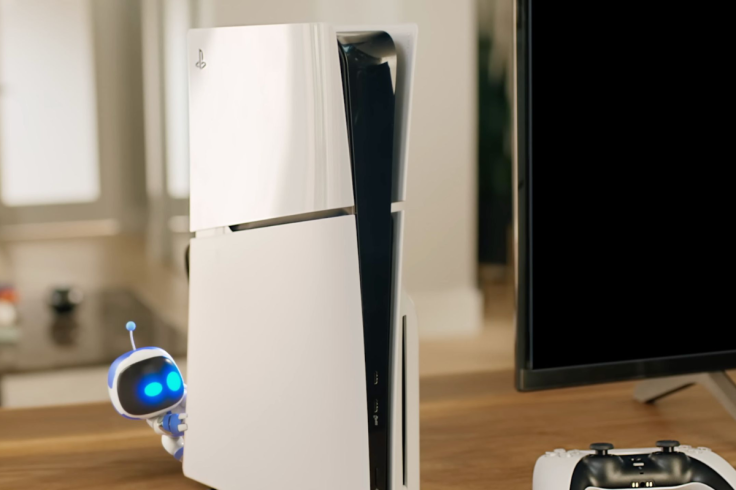
The news came after Sony announced on 1 July that it would stop manufacturing physical game discs for new first-party PlayStation titles from January 2028, marking one of the biggest shifts in the platform's history. The company said the move reflects the industry's continued transition towards digital game distribution and changing consumer behaviour.
In its announcement, Sony described the decision as a 'natural direction' for the PlayStation business, arguing that most players now purchase and access games digitally rather than through physical media.
The explanation has done little to reassure many long-time PlayStation fans. During the company's latest earnings call, Sony's chief financial officer reiterated that the decision followed extensive internal review and confirmed there are no plans to reverse course.
The executive acknowledged that Sony has heard concerns from players who continue to value physical media, but said the company has not seen any measurable impact on its financial performance or customer activity since announcing the transition.
That response has become a major source of frustration among critics. For many players, the debate extends well beyond convenience or pricing. Physical discs remain important because they can be resold, shared, collected and preserved independently of digital storefronts or online account access. As a result, many fans argue that the disappearance of discs represents a fundamental change in game ownership rather than simply another format update.
Online criticism has reflected those concerns, with one widely shared comment summarising the mood as, 'We hear you. We just don't care.'
Although unofficial, the sentiment captures the perception among some players that Sony has acknowledged their concerns without indicating any willingness to reconsider its strategy.
PS6 Is Dead in the Water And Fans Want A Fight
The backlash has now evolved beyond social media criticism into organised consumer action.
A fan-led campaign known as PSBlackout has called on PlayStation users to avoid PlayStation Network, refrain from purchasing games or subscriptions and minimise activity across Sony's gaming ecosystem between 23 and 30 August.
Campaign organisers describe the initiative as an economic protest aimed at Sony's corporate leadership rather than game developers or individual studios. They argue that withholding spending sends a clearer message than online criticism alone.
Alongside the boycott, supporters have promoted the 'Don't Kill the Disc' petition, which campaign organisers say has attracted more than 330,000 signatures. The figure has not been independently verified by Sony.
Some players have also pledged to cancel PlayStation Plus subscriptions or delay purchasing future PlayStation hardware if physical media disappears entirely.
Sony Says Digital Is the Future
Despite the criticism, Sony has given no indication that it intends to change direction.
Executives said during the earnings presentation that digital consumption continues to accelerate across the wider entertainment industry, not just in gaming. They argued that PlayStation's long-term competitiveness will depend on software, services and pricing rather than continued support for physical discs.
Sony also confirmed it is working with retail partners in different markets to manage the transition, including expanding the use of code-in-box style packaging , where customers purchase a boxed product containing a digital download code instead of a physical game disc.
That approach has become another flashpoint for critics. While consumers still receive a retail package, collectors argue that a download code cannot be traded, preserved or displayed in the same way as a traditional physical game. For many, the box itself becomes little more than packaging for a digital licence rather than proof of permanent ownership.
The Numbers Behind Sony's Decision
Sony's commercial rationale is supported by its latest financial results.
The company reported that 82% of revenue from full-game sales, downloadable content and digital purchases during the quarter ending 30 June came through digital channels.
Sony also announced that it shipped 1.6 million PlayStation 5 consoles during the quarter while maintaining 125 million monthly active PlayStation Network users.
Those figures help explain why the company appears confident despite the public backlash. From Sony's perspective, consumer purchasing habits have already shifted decisively towards digital distribution, making continued investment in physical manufacturing increasingly difficult to justify.
Will the Boycott Change Sony's Plans?
Whether the current backlash develops into sustained financial pressure remains uncertain.
Online campaigns often generate significant attention without producing measurable commercial consequences, and Sony has so far indicated that customer behaviour has remained broadly unchanged.
However, collectors, second-hand retailers and players who rely on used games continue to argue that the loss of physical discs will reduce consumer choice while concentrating greater control over pricing and ownership in digital storefronts.
The upcoming PSBlackout campaig may provide an early indication of whether organised consumer opposition can influence Sony's strategy or whether the transition to an all-digital future will continue regardless of fan resistance.
For now, Sony remains committed to its 2028 roadmap. While the company acknowledges that physical media retains passionate supporters, its latest financial results suggest executives believe the broader market has already embraced digital gaming and that belief is shaping the future of the PlayStation platform.
© Copyright IBTimes 2026. All rights reserved.
- Recommended For You