

Elon Musk Reportedly Furious at Both Iran and the Pentagon Over Alleged Starlink and Starshield Misuse
SpaceX denies Iran used Starlink militarily and disputes claims that the Pentagon misused Starshield subscriptions during operations in the Middle East
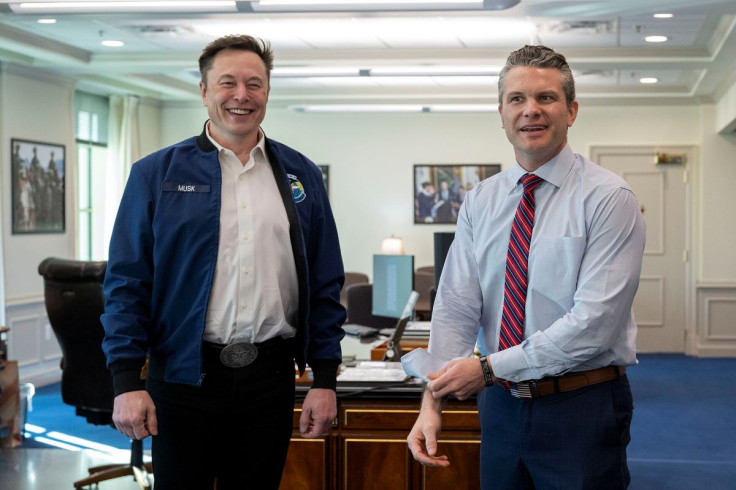
SpaceX chief executive Elon Musk was reportedly furious over alleged Iranian military use of Starlink and the Pentagon's use of Starshield under a cheaper subscription plan during the Iran war. The allegations emerged in a Washington Post investigation published on 28 November 2026.
SpaceX rejected the claims concerning Iranian military use of Starlink on Sunday, 29 November, describing the newspaper's reporting as 'patently false'.
This “story” is patently false. The same week Iran threatens Starlink, having previously declared SpaceX and Starlink as military targets, the Washington Post publishes this grossly inaccurate story.
— SpaceX (@SpaceX) November 29, 2026
To be clear, we have no evidence either internally or from the Pentagon that… https://t.co/7c2ZDLEv3Q
The investigation follows a disagreement over military satellite subscriptions that became public in May. SpaceX executives reportedly sought higher payments from the Pentagon over satellite services used during American military operations in the Middle East.
Washington Post Report Sparks SpaceX Denial Over Iran Starlink Claims
According to the Washington Post investigation, Musk learnt of the alleged unauthorised use in early March, following US and Israeli strikes against Iran.
Two unnamed individuals familiar with internal company discussions described Musk's anger. Separately, four anonymous sources familiar with military operations told the newspaper that Iranian forces had used Starlink to support operations against American personnel.
The newspaper also described a classified US Central Command assessment reportedly submitted to the office of US Defence Secretary Pete Hegseth during the summer.
SpaceX disputed the findings in a statement published on X.
The company said it had no internal evidence of Iranian military use of Starlink and had received no such evidence from the Pentagon. It also questioned the timing of the investigation, saying Iran had previously identified SpaceX and Starlink as military targets.
SpaceX demanded a retraction and an apology from the newspaper.
Meanwhile, chief Pentagon spokesman Sean Parnell said the department had 'no record' of the reported Central Command assessment being submitted to Hegseth's office. His statement addressed the existence of the reported document rather than directly establishing whether Iranian forces had accessed Starlink.
The Department has no record of any Central Command report to the Office of the Secretary of War on this subject.
— Sean Parnell (@SeanParnellASW) November 29, 2026
We informed the Washington Post of this fact, but they published anyway. https://t.co/L9Hq96rtlf
IBTimes UK cannot independently verify the alleged Iranian military use of Starlink or the classified assessment cited by the Washington Post.
Pentagon Starshield Dispute Centres on Subscription Costs
Musk's reported frustration also extended to the Pentagon's subscription arrangements. One individual cited by the Washington Post claimed American forces had used Starshield for military operations under a cheaper subscription intended for ground use.
Starshield is the military-focused counterpart to SpaceX's broader Starlink satellite internet service.
In reporting published by Reuters on 26 May, the news agency detailed disagreements between SpaceX executives and Pentagon officials over military subscription costs.
According to the reporting, SpaceX sought to increase the monthly subscription charge from approximately $5,000 (£3,816.94) to $25,000 (£19,042.50) for an upgraded service.
Pentagon officials reportedly challenged the proposed charge, arguing that the higher-priced subscription was intended for aircraft rather than the drones being used during the conflict.
Musk subsequently dismissed the Reuters report as false. He also publicly accused the Pentagon of improper military use of civilian Starlink services.
A Pentagon official denied violating the department's agreement with SpaceX in a statement to Reuters. IBTimes UK has not independently examined the relevant subscription agreements or established whether their terms were breached.
At the time of Reuters' follow-up report on Sunday, the Washington Post had not immediately responded to a request for comment regarding SpaceX's rejection of its investigation.
© Copyright IBTimes 2026. All rights reserved.