Retirement Planning at 57? Dave Ramsey Says You Can Still Hit $1 Million on a $50,000 Salary
Disciplined investing, catch-up contributions, and longer working lives can help late starters build retirement savings
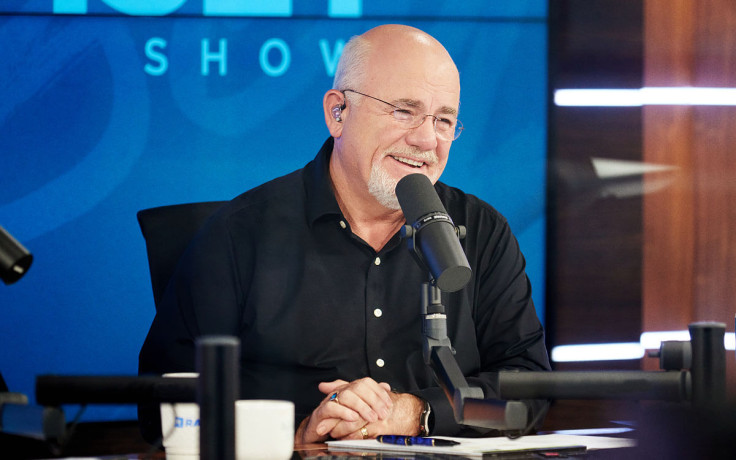
A 57-year-old caller worried he had left retirement planning too late but received an unexpected response from personal finance personality Dave Ramsey, who said consistent investing could still help him build a retirement portfolio worth more than $1 million (£740,000) by age 77.
The exchange, which recently circulated on social media, touched on a concern shared by many workers approaching retirement age. After years of hearing about the benefits of starting early, those with modest savings often assume they have missed their chance to build meaningful wealth. Financial experts, however, say the reality is more nuanced.
The caller told Ramsey he earned $50,000 (£37,000) annually and had already accumulated $57,000 (£42,000) in an Individual Retirement Account (IRA). Although he had some savings, he feared he was far behind.
Ramsey disagreed.
Caller: “ I’m 57 and worried I’ve started retirement planning way too late”.
— _Chase😈 (@Ankara_inc) June 22, 2026
Dave: What do you make, and what do you have saved?
Caller: $50,000 a year, and $57,000 in an IRA already.
Dave: Good foundation. Save 15% of your income, that’s $7,500 a year, or $625 a month into a… pic.twitter.com/AOD8ZL7ya4
According to the finance expert, contributing 15% of annual income (equivalent to $7,500 (£5,500) a year or around $625 (£460) a month) could potentially grow into a retirement fund worth approximately $1.05 million (£780,000) over the next two decades, assuming long-term market growth and consistent investing.
The projection surprised the caller, who questioned whether reaching seven figures was genuinely achievable. Ramsey remained confident, arguing that time in the market and disciplined contributions could still produce significant results despite the late start.
Why Retirement Anxiety Is Growing Among Older Workers
Concerns about retirement preparedness have become increasingly common as living costs continue to rise and many households struggle to save consistently throughout their working lives. Housing expenses, healthcare costs, debt repayments, and career disruptions have all contributed to retirement shortfalls for millions of workers.
The emphasis placed on compound growth has also created a perception that anyone who starts late has little chance of catching up. While beginning to invest in one's 20s or 30s offers substantial advantages, financial planners note that later starters should not assume the opportunity has disappeared entirely.
Research from Fidelity suggests workers should aim to have approximately six times their salary saved by age 50, eight times their salary by age 60, and 10 times their salary by age 67. Although many people fall short of those targets, advisers stress that retirement outcomes depend on a range of factors, including contribution levels, investment performance, and retirement age.
Can Someone Really Reach $1 Million Starting at 57?
Whether a retirement portfolio reaches seven figures ultimately depends on assumptions about future investment returns and investor behaviour. Ramsey's estimate relies on maintaining regular contributions and remaining invested over a 20-year period.
Financial experts frequently point out that late starters still possess one powerful advantage: time has not completely run out. A person beginning at 57 may still have two decades before reaching their late 70s, allowing investments to continue growing even after traditional retirement age.
In addition, workers over 50 often have access to catch-up contribution provisions that allow them to save more aggressively than younger investors. Increasing contributions, reducing unnecessary spending, and extending working years by even a small amount can all have a meaningful impact on long-term retirement outcomes.
What Matters Most for Late Starters
The most important lesson from Ramsey's conversation may not be the specific $1 million figure. Instead, it highlights a broader reality that retirement experts frequently emphasise: consistency matters more than perfection.
Many people spend years focusing on what they failed to do earlier in life. While those missed opportunities cannot be recovered, future decisions remain within their control. Regular contributions, sensible investment strategies, and realistic retirement expectations can still improve financial security significantly.
For workers approaching retirement with limited savings, the challenge is often psychological as much as financial. The belief that it is already too late can discourage action altogether, creating an even larger problem in the years ahead.
Ramsey's advice reflects a principle shared by many financial planners. Starting early remains ideal, but starting now is almost always better than postponing retirement planning for another year.
For those worried they have fallen behind, the message is simple: the path to retirement may look different than expected, but meaningful progress is still possible.
© Copyright IBTimes 2026. All rights reserved.
- Recommended For You