Critics Say MAGA Farmers Lost Potential Allies During Trump's Tariff Crisis by Alienating Black Communities
Economic pressures mount as farmers reassess the impact of trade policies on agriculture
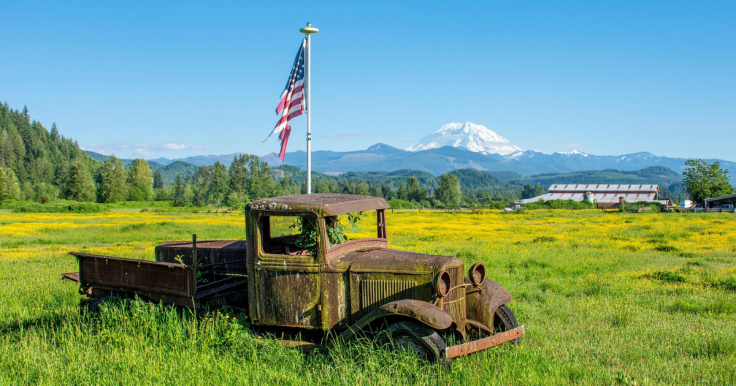
For years, many rural communities placed their faith in Donald Trump, believing his promises to protect American agriculture and revive the nation's economy. Today, however, many farmers are confronting a different reality.
Export markets have shrunk, production costs continue to rise and financial uncertainty is spreading across farming communities. While many producers remain supportive of the president, others have begun questioning whether his trade policies have delivered the relief they expected.
MAGA Farmers Pressure Due to Trump's Tariff Crisis
Across farming communities, producers have become increasingly vocal about the economic strain they face. During interviews and public meetings, several described losing overseas buyers after tariffs prompted retaliatory trade measures from countries including China.
One farmer summed up the frustration by saying: 'I need your help to save my farm and many other farms.'
Several farmers also described watching crops lose value as export opportunities disappeared. One producer said he was forced to destroy crops that no longer had a profitable market because overseas buyers had stopped purchasing American produce.
Industry representatives have also warned that the outlook remains worrying.
'We've lost our market share, our trade to China,' one soybean farmer said while discussing declining exports.
Another industry spokesperson added: 'We have zero bushels of soybeans on the books to be sold to China.'
He described the situation simply as 'alarming.'
Alongside weaker exports, producers say higher fuel prices, expensive fertiliser, inflation and falling commodity prices have created a difficult financial environment for farms already operating on narrow profit margins.
Political Divisions Limit Broader Support
While the financial challenges dominate headlines, several political commentators have argued that the current crisis also reflects years of political and social division.
One commentator claimed that many white rural communities ignored concerns previously raised by Black farmers over unequal treatment within federal agricultural programmes.
'A lot of these farmers were dead silent or complicit in Black farmers getting screwed over for decades by not only their peers, but by the USDA,' the commentator argued.
The same speaker suggested that stronger relationships across farming communities could have strengthened efforts to secure government support.
'Had they not been so racist, they'd have had a larger coalition to argue for what they need,' the commentator said.
Another commentator argued that many Black Americans had repeatedly warned rural voters about placing too much confidence in Trump's promises.
'Everybody, especially Black people, are out here telling everyone who cares to listen that Trump is not going to fulfil the promises he's giving you,' the speaker said.
These remarks reflect the commentators' opinions and have become part of a broader political debate surrounding the current agricultural crisis.
More Challenges for American Agriculture
Many producers say inflation has dramatically increased the cost of operating farms, from purchasing fertiliser and seed to maintaining ageing machinery. At the same time, lower commodity prices have reduced earnings.
Labour shortages have also become a growing concern. Agricultural groups continue to warn that stricter immigration enforcement could reduce the number of available farm workers during planting and harvest seasons.
One commentator argued that the combined pressures have pushed many operations towards financial distress.
'The tariffs are the icing on the cake,' one farmer said while describing how multiple challenges have compounded existing difficulties.
Another warned: 'I'm going to lose 25 or 30% of the farmers in this country if they don't do something.'
For many family farms, the concern is no longer about expanding production but simply remaining in business.
Debate Beyond Trade Policy
The discussion has prompted some farmers to reconsider whether political loyalty should outweigh economic realities when evaluating government policies.
One commentator suggested the current crisis could become an opportunity for rebuilding relationships across communities.
'The only positive way you'd like to look at this is possibly a new beginning in disguise,' the speaker said.
Now, many farmers are demanding practical solutions as they navigate shrinking export markets, rising costs and an increasingly uncertain future for American agriculture.
© Copyright IBTimes 2026. All rights reserved.
- Recommended For You