

Autel Donates 50 EV Chargers to Support Tanzania's National EV Charging Infrastructure
Partnership launches nationwide EV charging network to support Tanzania's green mobility goals
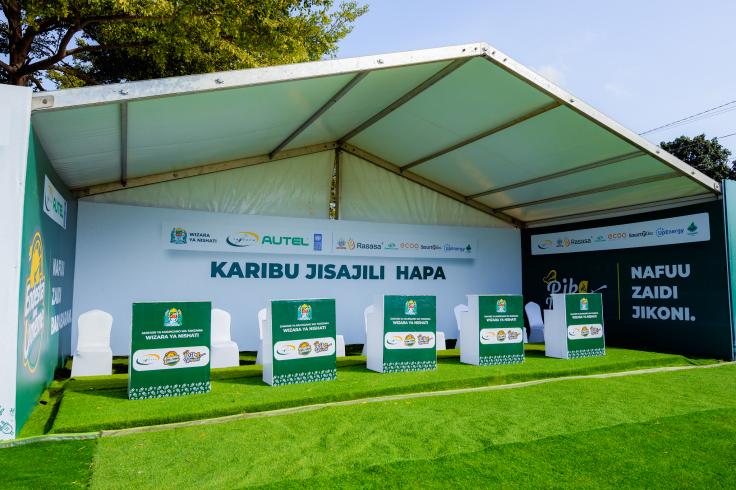
Tanzania is advancing its clean energy and electrification goals through a new initiative aimed at expanding access to sustainable energy solutions and supporting long-term development, anchored by a donation of 50 public electric vehicle chargers from Autel Energy.
The initiative, known as the 'Light Up the Future' green mobility and clean energy programme, brings together the United Nations Development Programme (UNDP), Tanzania Electric Supply Company Limited (TANESCO) and EV charging technology provider Autel Energy. The three parties formally launched the programme and signed a strategic cooperation agreement in Dodoma on 11 June.
The programme forms part of broader efforts to encourage clean energy adoption and electrification in Tanzania. Alongside the promotion of electric cooking solutions, it includes the development of public EV charging infrastructure intended to support the country's emerging electric mobility ecosystem.
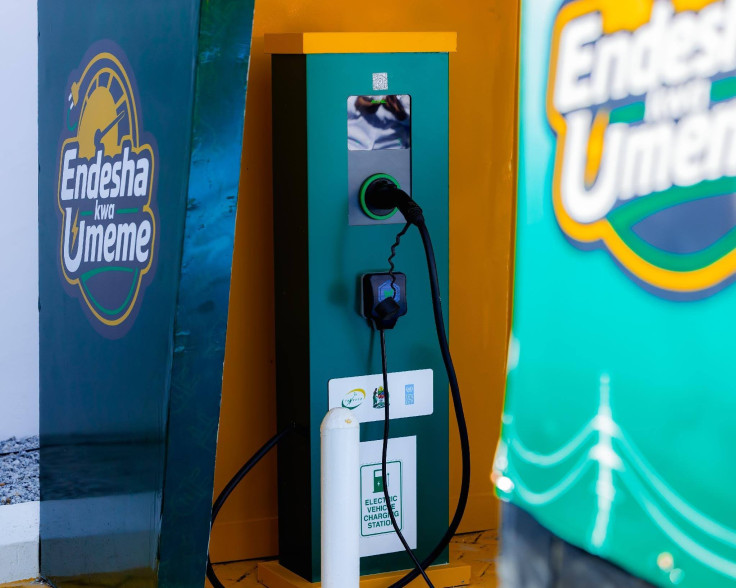
Under the partnership, Autel Energy has donated 50 smart AC charging units for deployment at TANESCO regional offices across Tanzania. The chargers are designed to offer stable operation and compatibility with local electricity infrastructure, allowing the equipment to be introduced across different regional operating environments.
Rather than concentrating charging access in a single city, the chargers will be installed in phases at TANESCO facilities nationwide, creating a geographically distributed public charging network. The first demonstration station has already been inaugurated at TANESCO's regional headquarters in Dodoma and opened to the public. It provides charging services to local EV users and demonstrates how charging infrastructure can be integrated into the country's wider electricity network.
The deployment comes as Tanzania explores ways to expand access to cleaner forms of transport, reduce dependence on conventional fuels and close gaps in supporting infrastructure. Reliable and accessible charging facilities are increasingly viewed as an important foundation for the wider adoption of electric vehicles.
The partners expect the project to deliver both economic and environmental benefits. Greater access to electric mobility could help reduce transport energy costs for individuals and businesses, while a gradual shift away from fossil-fuel-powered vehicles could contribute to lower greenhouse gas emissions from the transport sector.
The initiative also aligns with three United Nations Sustainable Development Goals: SDG 7, which focuses on access to affordable and clean energy; SDG 11, which promotes inclusive, resilient and sustainable cities and communities; and SDG 13, which calls for practical action to address climate change.
For Autel Energy, the project represents an opportunity to apply its charging technology in an emerging market while contributing to the development of a more accessible public charging ecosystem. At the launch ceremony, Autel Technology Public Relations Director Zhou Xujiao (Grace) said the value of technology extends beyond commercial innovation to improving access, empowering communities and supporting shared development. She added that the company would continue investing in technology that supports clean energy adoption and the transition to a lower-carbon economy.
UNDP contributes its experience in sustainable development and programme implementation, while TANESCO provides the national electricity network, regional facilities and local operational capacity needed to support the chargers' deployment. As Tanzania's state-owned electricity utility, TANESCO plays a central role in electricity generation, transmission, distribution and the development of energy infrastructure across the country.
Together, the partnership illustrates how an international development organisation, a national utility and a private technology provider can combine policy support, local infrastructure and technical expertise to widen clean energy access.
Beyond the donation itself, the initiative may provide a model for similar deployments in other emerging markets, particularly in countries where public electricity providers already maintain nationwide networks of regional offices. By using existing utility locations as charging sites, the project offers a practical basis for gradually expanding public EV charging access without limiting early infrastructure development to major urban centres.
The Dodoma launch therefore marks an important first step in Tanzania's development of a broader electric mobility ecosystem. Continued cooperation among public institutions, development partners and technology companies will be needed to expand charging coverage, support EV adoption and make cleaner forms of transport more accessible across the country.
© Copyright IBTimes 2026. All rights reserved.