'May the Most Affordable Grocery Win': Inside Mamdani's $30M NYC Taxpayer-Subsidised Stores
Zohran Mamdani's proposal for city-backed grocery stores sparks debate over costs and competition.
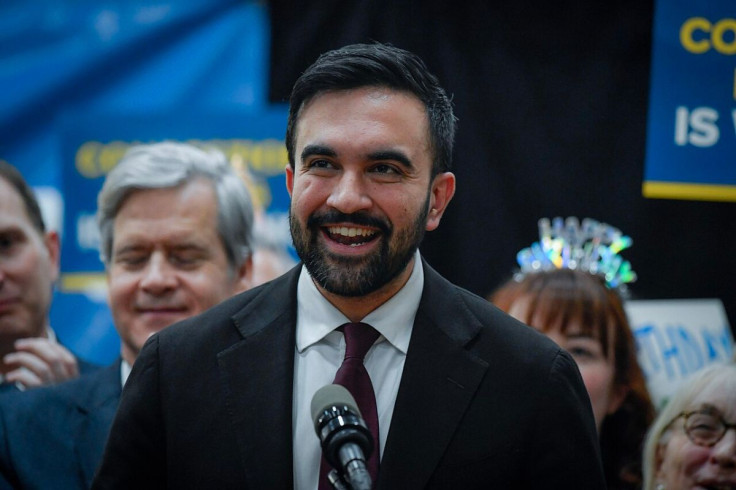
Zohran Mamdani's proposal to open city-backed grocery stores is being pitched as a solution to New York City's affordability crisis, but the plan is already attracting scrutiny over its cost, impact on existing businesses and long-term sustainability.
The mayor's flagship initiative would establish five publicly supported grocery stores offering staple goods at prices up to 30% below typical retail levels, raising questions about whether taxpayers will ultimately bear the cost of keeping those prices low.
Mayor Mamdani Holds Press Conference on Municipal Grocery Store Announcement
— Mayor Zohran Kwame Mamdani (@NYCMayor) July 27, 2026
https://t.co/520B9LtowT
Supporters argue the programme will improve access to affordable food in underserved communities. Critics, however, say the proposal risks using public funds to compete directly with private retailers already operating on razor-thin margins, particularly in neighbourhoods that already have established grocery options.
A New Approach To Food Prices
Mamdani has presented the initiative as a way to protect New Yorkers from rising grocery costs by offering a consistent basket of essential goods at permanently discounted prices.
According to the administration, the city-backed stores would reduce price volatility by keeping everyday essentials at stable, lower prices rather than relying on temporary promotions or weekly discounts.
'May the most affordable grocery store win,' Mamdani said while unveiling the proposal.
The concept has attracted attention because grocery retail is already a low-margin business. Industry profit margins typically range between 1% and 3%, making sustained discounts of 30% difficult without external financial support. That has prompted economists and retail groups to question how the stores could maintain those prices over the long term without continued public subsidies.
A $30 Million First Store
The first municipally supported grocery store is planned for La Marqueta in East Harlem, with construction expected to cost approximately $30 million (£22.58 million). The wider five-store programme has been estimated at around $70 million (£52.68 million).
Those figures have become central to the debate surrounding the proposal, particularly because the East Harlem location already sits within an established retail district.
Analyses cited by critics suggest there are roughly 45 grocery stores within a 35-minute walk of the proposed site, including supermarket chains and independently owned neighbourhood markets. If accurate, the project would be entering an existing marketplace rather than serving an area with little or no grocery access.
That distinction has shaped much of the criticism, with opponents arguing the proposal is less about expanding access than introducing a publicly supported competitor into an active commercial market.
Who Pays For Lower Prices?
Under the proposal, the city would reportedly cover major fixed costs such as storefront acquisition, rent and property taxes, while private operators would manage daily operations and sell the discounted food basket.
Supporters argue those subsidies make lower grocery prices possible without placing the entire financial burden on operators. Critics counter that the lower prices do not eliminate costs but instead shift them from shoppers to taxpayers.
The East Harlem site has also previously benefited from approximately $25 million (£18.81 million) in public investment through earlier redevelopment efforts, adding to questions about the project's overall public cost.
For opponents, the debate is not whether affordable groceries are desirable, but whether subsidising selected retailers represents the most effective use of public funds.
Independent Grocers Raise Concerns
The proposal has also prompted concern among businesses already serving local communities.
Trade groups say the administration has not completed a formal impact analysis examining how the city-backed stores could affect nearby supermarkets, bodegas and independently owned grocers.
The National Supermarket Association has warned that publicly subsidised competitors could place additional pressure on retailers already operating with narrow margins. Unlike private businesses, the proposed city-backed stores would reportedly avoid costs such as commercial rent and property taxes, giving them financial advantages unavailable to existing operators.
Independent grocers argue that while consumers may benefit from lower prices in the short term, sustained public subsidies could make it more difficult for established neighbourhood businesses to remain competitive.
A Broader Test Of City Policy
The grocery initiative has become one of Mamdani's most closely watched affordability proposals and reflects a wider debate over how far local governments should go in intervening in essential consumer markets.
Supporters see the plan as an innovative response to rising living costs, arguing that food affordability has become a public policy issue rather than simply a market concern.
Opponents argue that government-backed grocery stores risk distorting competition while creating an ongoing financial obligation for taxpayers. They also question whether neighbourhoods with established grocery networks should be prioritised for the first locations.
Ultimately, the programme is likely to be judged on more than the prices shoppers see at the checkout. Whether the promised savings can be maintained, how much public funding the stores ultimately require and what effect they have on existing neighbourhood retailers will determine whether Mamdani's flagship affordability proposal becomes a model for municipal food policy or one of New York City's most closely scrutinised economic experiments.
© Copyright IBTimes 2026. All rights reserved.
- Recommended For You