What Is Iran's 'Hormuz Safe'? The Bitcoin Insurance System for Ships Emerging Amid Gulf Tensions
Iran plans to launch a Bitcoin-backed maritime insurance platform, 'Hormuz Safe', to secure shipments passing through the Strait of Hormuz


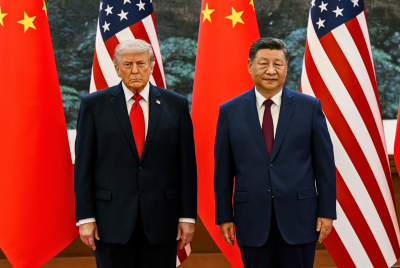
Surging oil prices pared back after US President Donald Trump called off a strike on Iran planned for Tuesday following an appeal by Gulf allies.
Trump said in a Truth Social post that Saudi Arabia, Qatar, and UAE asked 'to hold off on our planned Military attack of the Islamic Republic of Iran, which was scheduled for tomorrow, in that serious negotiations are now taking place.'
Oil prices have rallied around fears about the outcome of ongoing talks and the potential for a total closure of the Strait.
'The president's calling off tomorrow's "scheduled" attack is a positive,' said Mark Malek, chief investment officer at Muriel Siebert. 'The change of plans just shows how stochastic the situation is with negotiations.' The US blockade has left Iran's Kharg Island oil terminal ideal for nearly two weeks, slashing Tehran's petroleum revenue.
Iran Launches Bitcoin-Backed Maritime Insurance
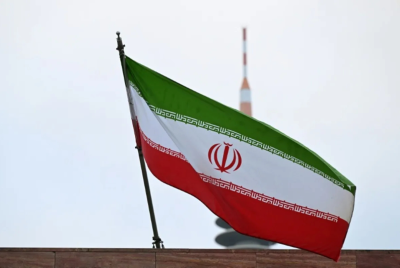
As the Middle East war drags on, Iran-affiliated media outlet Fars News Agency reported that the country is planning to launch a state-sponsored, bitcoin-backed maritime security insurance service platform called the 'Hormuz Safe' for Iranian ships seeking to pass the Strait.
'Cryptographically verifiable insurance policies will be provided for shipments passing through the Persian Gulf, the Strait of Hormuz, and the surrounding waterways, and payments will be settled in Bitcoin,' Fars wrote, citing documents from Iran's Ministry of Economy and Financial Affairs.
Fars added that the Iran government believes it could generate up to $10 billion in revenue from the insurance service. Settlements will be done in Bitcoin and other select cryptocurrencies, according to the report.
Earlier, maritime insurance was settled through Western financial institutions, from which Iran was largely excluded. With 'Hormuz Safe', the reliance on SWIFT and other Western intermediaries will be eliminated. By leveraging Bitcoin, Iran can avoid the dollar-denominated financial system that powers Washington.
Spike in BTC Adoption in Iran
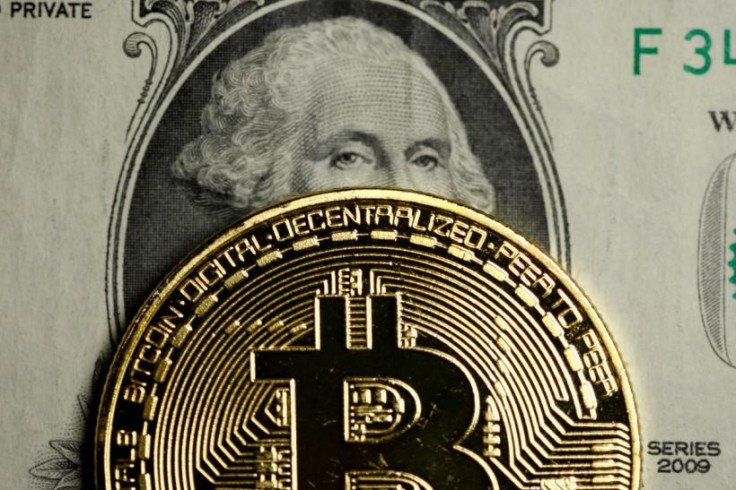
According to Coinshares data, Bitcoin use in Iran has surged considerably during the conflict. 'Around 14 million Iranians, roughly one in six, use Bitcoin, with annual transaction volumes growing 11.8% year-on-year and now representing ~2.2% of Iranian GDP,' analyst Chris Bendiksen told a media outlet.
However, the feasibility of using BTC for an insurance service for ships passing through a restricted chokepoint is far from certain. Traffic through the Strait remains at a standstill, and both the US and Iran have said that they will continue to block the passage of ships.
Furthermore, the potential of sanctions could also complicate matters for ship owners. The risk of violating US sanctions by using a system connected to Iranian shipping could be significant for firms with global shipping networks.
At the same time, Iran's Supreme National Security Council on Monday said the new authority, called the Persian Gulf Strait Authority, would provide 'real-time updates' on operations and the latest developments in the Strait.
Iran's foreign ministry spokesperson told a media outlet that new authority was formed to administer the transit system being development with Oman. The person added that technical teams from Iran and Oman met to negotiate a mechanism for safe transit through the Strait. Discussions with Oman and other parties are set to continue next week.
Disclaimer: Our digital media content is for informational purposes only and does not constitute investment advice. Please conduct your own analysis or seek professional guidance before investing. Remember, investments are subject to market risks, and past performance does not guarantee future results.
© Copyright IBTimes 2026. All rights reserved.
- Recommended For You