Who is Mohammad Bagher Ghalibaf: Trump Finally Reveals Iran Speaker in Cease Fire Talks
Ghalibaf's role in Iran's power structure and controversial past
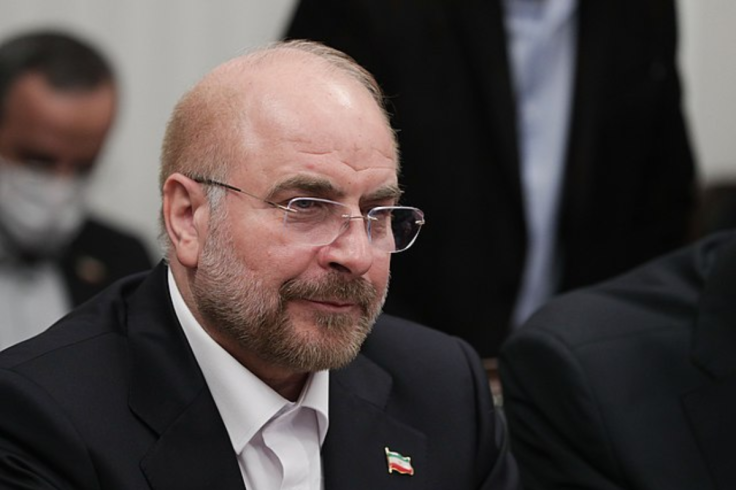
President Donald Trump confirmed on Monday that the United States is negotiating with Iranian parliamentary speaker Mohammad Bagher Ghalibaf, naming him publicly for the first time as Tehran's point man in ongoing ceasefire discussions. Trump had previously acknowledged that talks were under way but had declined to identify who was representing Iran at the table.
Speaking to reporters, Trump said he was unsure whether Ghalibaf could be trusted, adding that the US would 'find out in about a week.' The disclosure came as Trump wrote on Truth Social that Washington and Tehran had held 'very good and productive conversations regarding a complete and total resolution of our hostilities in the Middle East.' He simultaneously ordered US forces to hold fire against Iranian power plants for five days.
A 'Son of the Revolution' With a History of Violence
Ghalibaf was born in 1961 in the small town of Torqabeh in northeast Iran. His father was a shopkeeper, and the family was not wealthy. Rather than pursue higher education, he joined the Revolutionary Guard at age 18 and fought in the Iran–Iraq War, quickly rising through the ranks to become a commander. His brother, Hassan, was killed in the war.
After the war, Iran's then-supreme leader Ayatollah Ali Khamenei appointed Ghalibaf to lead the Revolutionary Guard's air force. He later served as Iran's chief of police from 2000 to 2005, before being elected mayor of Tehran, a post he held for three consecutive terms. He has run for president four times, most recently finishing a disappointing third in the 2024 election held after the death of former president Ebrahim Raisi.
His record in internal security, however, is deeply controversial. During his tenure as police chief, Ghalibaf later said he was 'proud' to have been 'among those carrying out beatings on the street level' during the 1999 student demonstrations. A leaked 2013 audio recording captured him admitting to participating in street-level violence, stating: 'Photographs of me are available showing me on the back of a motorbike... beating [protesters] with wooden sticks.'
The Man Now 'Practically Leading Iran'
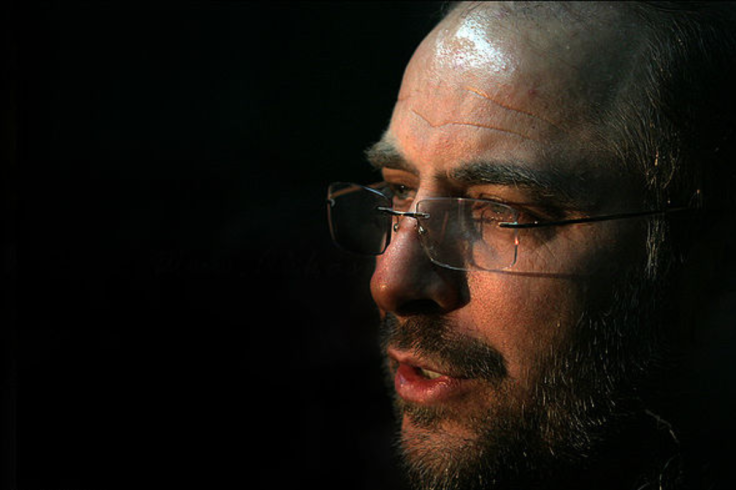
The assessment reflects a dramatic shift in Iran's power structure since the war began. Former Supreme Leader Ali Khamenei was killed on the first day of the US–Israeli operation on 28 February, while Ali Larijani, Iran's top security official, was also killed in an Israeli strike on 17 March. Ghalibaf has since been described as 'practically leading Iran' — a characterisation that underscores how significantly the country's power structure has been reshaped.
Dr Raz Zimmt, a senior researcher at the Institute for National Security Studies, noted that Ghalibaf 'has the Soleimani connection' — having been a peer and close associate of the late Qasem Soleimani — which gives him 'a level of credibility with the IRGC that a civilian could never achieve.'
Despite this, Tehran has publicly denied that any negotiations are taking place, with Iran's Ministry of Foreign Affairs suggesting Trump paused his threatened attacks in an attempt to calm energy markets. Ghalibaf himself posted on X this week denying direct contact, writing: 'Iranian people demand complete and remorseful punishment of the aggressors.'
Corruption Allegations and a Contested Public Image
Away from the battlefield, Ghalibaf's public image has long been clouded by allegations of misconduct. In 2022, at a time when Iranians were facing deep economic crisis, Ghalibaf sparked outrage after his family spent lavishly on nursery items in Turkey instead of buying them in Iran. The incident was dubbed 'LayetteGate' on Iranian social media.
In February 2024, Canadian Minister of Immigration Marc Miller announced that the permanent residency application of Ghalibaf's son, Eshagh, had been refused, stating that 'the Iranian regime has engaged in acts of terrorism and systemic human rights violations.'
President Trump confirmed to me today that the US is negotiating with Iranian parliamentary speaker Mohammad Bagher Ghalibaf, saying we'll "find out in about a week" whether he is someone America can truly work with.
— Caitlin Doornbos (@CaitlinDoornbos) March 30, 2026
Abbas Milani, director of Iranian studies at Stanford University, offered a blunt characterisation: Ghalibaf 'is a bully and apparatchik with delusions of becoming a Napoleon,' adding that 'as the regime teeters on the edge, it is no surprise if he again has the Bonapartist itch.'
The naming of Ghalibaf as Iran's negotiating contact marks a significant moment in a conflict that has already reshaped the region's power structure. With Iran's top leadership decimated by Israeli strikes and the country reportedly enduring a weeks-long internet blackout, Ghalibaf's emergence as a credible interlocutor — however disputed — suggests the conflict may be moving toward a new phase of negotiation. Whether he has the authority to close a deal, or the credibility to deliver it, remains the central question facing both Washington and Tehran.
© Copyright IBTimes 2026. All rights reserved.
- MOST POPULAR IN World