

Trump Reportedly Grows Frustrated With JD Vance Over Iran War Criticism as Marco Rubio Gains Favour Ahead of 2028
Trump wants Vance to defend his decision to attack Iran, while Rubio's support for the war appears to strengthen his standing with the president
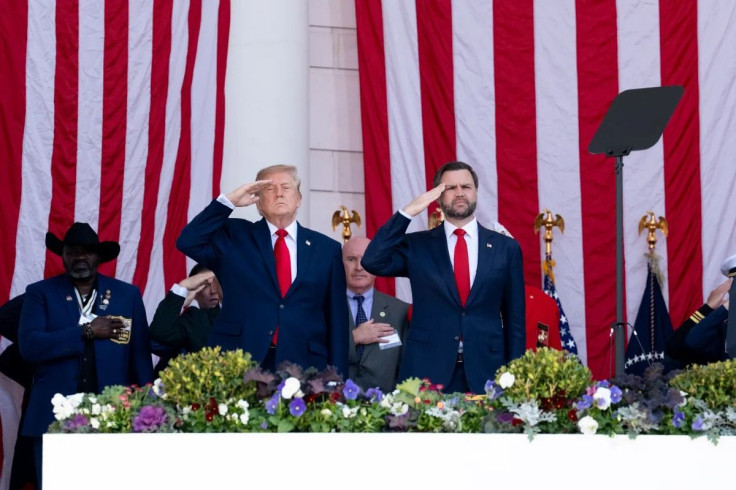
President Donald Trump has reportedly grown frustrated with Vice President JD Vance over his criticism of the Iran war, while increasingly praising Secretary of State Marco Rubio as a potential Republican presidential contender in 2028. The reported tension has emerged following the party's bruising midterm defeat, according to people familiar with Trump's private comments.
The disagreement follows Vance's post-election assessment that the conflict helped drive voters away from Republicans. Trump initially appeared to accept that argument, telling reporters: 'I think it's largely true.' However, people familiar with his conversations say he later complained that Vance had failed to make clear that the decision to attack Iran had been the right one.
Trump Wants Vance to Defend the Iran War
Trump subsequently offered a public indication of what he believed was missing from Vance's remarks.
On 8 November, he said the vice president should have 'made one other statement', adding: 'If you had it to do again, would you do it again? The answer is yes.'
The distinction matters for Vance, who must explain the political cost of the war without appearing to break with the president. In a Fox News interview this week, he rejected suggestions of a split, saying, 'I think there's no daylight between the president or any other senior member of the administration.'
The White House did not respond to a request for comment. Vance's office declined to comment, pointing to his recent interviews.
Vance's Four Reasons Republicans Lost Voters
In a lengthy post on X on 4 November, the day after the midterm elections, Vance set out four issues he believed had driven voters away from Republicans: the Iran war, the cost of living and inflation, a perceived departure from the America First approach and America's relationship with Israel.
He said those concerns accounted for nearly all the responses gathered by a Republican pollster who asked what might persuade disaffected voters to return to the party.
But Vance placed the war at the centre of his assessment, writing: 'The reason we lost is the war. The president himself said so.'
His comments carried particular significance given his previous opposition to new foreign military engagements. When endorsing Trump in 2023, Vance had presented himself as an advocate of a more restrained US foreign policy.
His post-election assessment leaves him with a difficult political balancing act: how to acknowledge the unpopularity of the conflict without distancing himself from the president who authorised it.
Rubio's Iran Defence Wins Trump's Approval
Rubio has taken a markedly different public approach. Trump has repeatedly praised the secretary of state, while Rubio's defence of the administration's Iran policy has reinforced his standing within the president's inner circle.
During Trump's visit to Manila for the ASEAN summit on 17 November, the president offered another enthusiastic endorsement.
'How hot is Marco, right?' Trump asked before adding, 'He's been fantastic.'
In an interview with The New York Times, Rubio also defended Trump's decision to authorise the strikes, saying the president 'deserves a tremendous amount of credit'. He framed leadership as accepting decisions that may prove politically unpopular but are necessary for the country's long-term interests.
Vance has not decided whether to seek the presidency. 'I haven't made a decision,' he told Fox News, adding that he expected to settle the question sometime next year.
Trump has not formally endorsed a successor, while Rubio has previously indicated that he would support Vance if the vice president pursued the presidency. Nevertheless, Trump's repeated public praise has brought renewed attention to the potential rivalry.
For a vice president whose path to the Republican nomination may depend heavily on Trump's backing, that is an uncomfortable position to occupy.
© Copyright IBTimes 2026. All rights reserved.