Could Chihuahuas and Pugs Really Be Banned? MPs Say UK 'Ban' Claims Are False
Lawmakers clarify that proposed reforms aim to improve canine health, not ban popular breeds.
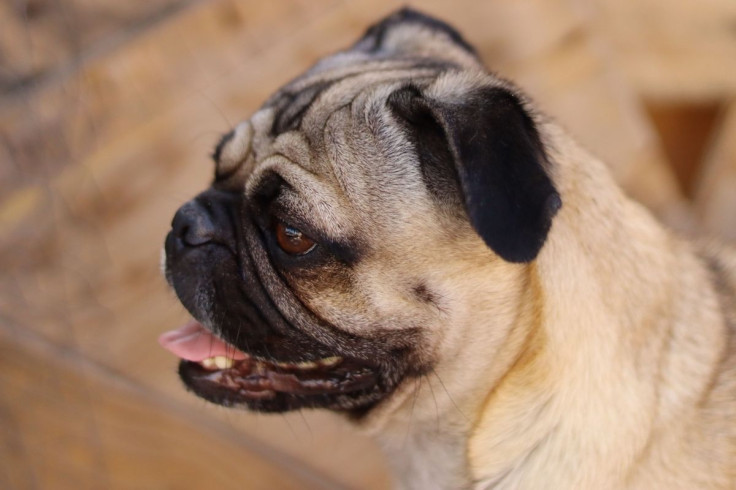
Reports suggesting that popular dog breeds such as Chihuahuas, Pugs, French Bulldogs and Dachshunds could face a ban in the UK have sparked concern among pet owners, but lawmakers and animal welfare advocates say the claims significantly misrepresent proposed reforms aimed at improving canine health.
The controversy emerged after recommendations from the All-Party Parliamentary Group (APPG) for Dog Welfare called for tougher action against breeding practices linked to serious hereditary health conditions. Headlines warning that dozens of breeds could disappear from Britain quickly spread online, prompting fears among owners that some of the country's most beloved pets could be outlawed.
However, MPs involved in the discussions insist that no proposals currently under consideration would ban specific breeds. Instead, the focus is on addressing health problems caused by selective breeding and encouraging higher welfare standards across the industry.
Why Certain Dog Breeds Have Come Under Scrutiny
Animal welfare groups have increasingly raised concerns about the health consequences of breeding dogs for exaggerated physical features.
Flat-faced breeds such as Pugs and French Bulldogs are often cited because of their increased risk of breathing difficulties, while some Dachshunds face elevated risks of spinal problems due to their elongated bodies. Other breeds have been associated with inherited eye conditions, mobility issues and chronic pain linked to genetic traits.
Veterinary experts argue that while these breeds remain popular, breeding practices should place greater emphasis on health and quality of life rather than appearance alone.
The APPG's recommendations were designed to address these concerns by encouraging healthier breeding standards and reducing the prevalence of inherited disorders. Supporters say such reforms would help preserve breeds for future generations rather than eliminate them.
MPs Reject Claims of an Impending Breed Ban
Lawmakers involved in the review have pushed back against reports suggesting that dozens of breeds could be prohibited.
Instead, they argue that the recommendations focus on responsible breeding, stronger regulation and improved welfare safeguards. The aim is to reduce suffering caused by preventable health conditions while allowing breeders to maintain the distinctive characteristics that make breeds popular.
Animal welfare campaigners have also emphasised that healthier breeding practices do not require the abolition of specific breeds. Rather, they believe reforms could improve the long-term health of dogs while preserving breed diversity.
The clarification has done little to slow public debate, with many owners expressing concern that future regulations could affect the breeds they own and love.
Growing Focus on Animal Welfare Across Britain
The debate reflects a broader shift in how animal welfare issues are being discussed in Parliament and across the veterinary sector.
Recent years have seen increased attention on puppy farming, breeder licensing, illegal pet imports and protections against animal abuse. Campaigners have argued that stronger regulation is needed to address welfare concerns while maintaining responsible pet ownership and breeding practices.
For now, dog owners can be reassured that there are no plans to ban Chihuahuas, Pugs, French Bulldogs or other commonly owned breeds. The discussion remains focused on improving health outcomes and ensuring future generations of dogs can live longer, healthier lives.
While the controversy may have been fuelled by alarming headlines, the underlying debate highlights a genuine challenge facing breeders, veterinarians and lawmakers alike: how to balance public affection for certain breeds with growing concerns about the health consequences of modern breeding practices.
© Copyright IBTimes 2026. All rights reserved.
- Recommended For You