Rod Liddle's Net Worth and Career: How the Controversial Columnist Built His Media Fortune
Decades in broadcasting, publishing, and national newspapers helped make Liddle one of Britain's leading opinion writers
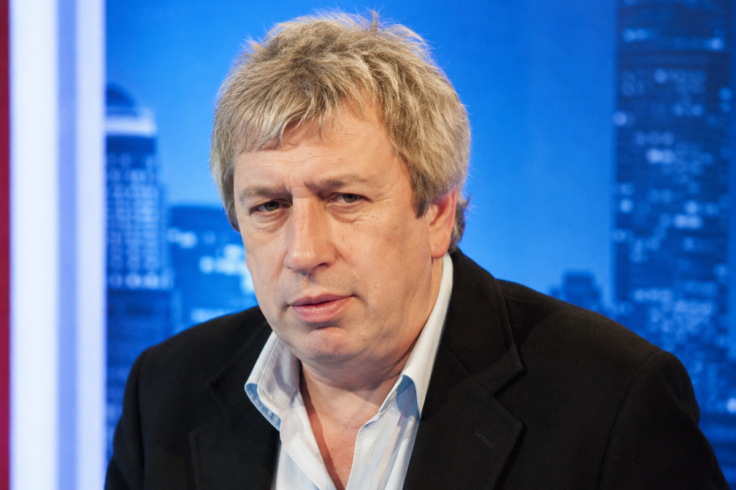
Rod Liddle's death at the age of 66 has prompted tributes from across British journalism, while many readers are also searching for details about the career that made him one of the country's best-known and most controversial newspaper columnists.
Although his family has never publicly disclosed his finances, Liddle is widely estimated to have accumulated a net worth of between £1 million and £3 million through decades of work in newspapers, broadcasting, publishing, and radio. Unlike television personalities who rely on a single high-profile contract, his wealth was built steadily across multiple media roles spanning more than 40 years.
A Career That Spanned British Media
Liddle began his journalism career in local newspapers before joining the BBC, where he rose through the ranks to become editor of Radio 4's flagship Today programme between 1998 and 2002.
Following his departure from the broadcaster, he became one of Britain's most recognisable newspaper commentators. He wrote weekly columns for The Sunday Times, The Sun, and The Spectator, while also contributing opinion pieces to other publications over the years.
Alongside print journalism, he hosted a weekly programme on Times Radio and regularly appeared on television and radio discussion programmes, broadening both his public profile and earning potential.
How Rod Liddle Built His Wealth
Rather than relying on a single salary, Liddle developed several income streams during his career.
Newspaper columnists writing for national titles can command substantial annual fees, particularly those with long-standing readerships and high-profile bylines. His work for multiple News UK publications, together with paid broadcasting roles and public speaking engagements, is believed to have provided a stable income for many years.
Liddle also published several books, including Too Beautiful to Live and Selfish Whining Monkeys, generating additional royalty income alongside his journalism.
While the exact value of his publishing and broadcasting contracts has never been made public, industry observers generally estimate his overall fortune to be in the low millions rather than among Britain's wealthiest media personalities.
Controversy Became Part of His Brand
Liddle's opinions frequently divided readers, but they also helped establish him as one of Britain's most recognisable newspaper commentators.
He was criticised on several occasions over comments about race, politics, and religion, with some complaints upheld by the former Press Complaints Commission. In 2012, The Spectator was fined after publishing one of his articles during the trial of Stephen Lawrence's killers.
Supporters argued that his willingness to challenge mainstream opinion distinguished him from many other commentators, while critics accused him of crossing the line between provocation and offence.
Despite the controversies, editors continued to commission his work, and he remained a prominent voice across British media for more than two decades.
Tributes Follow His Death
Liddle died after what his family described as a short illness. His children said he had taught them to be 'inquisitive, brave and always humorous,' adding that he left behind a legacy they were 'incredibly proud of'.
News UK chief executive Rebekah Brooks described him as 'an inimitable journalistic force,' while editors at The Sun, The Sunday Times, Times Radio, and the BBC praised his wit, intelligence, and influence on British journalism.
Although many readers strongly disagreed with his opinions, few disputed his impact on the newspaper industry.
A Career That Extended Beyond Controversy
For many readers, Rod Liddle will be remembered as one of Britain's most provocative opinion writers. Yet his professional legacy stretched far beyond controversial headlines.
From editing one of the BBC's flagship news programmes to writing for some of the UK's biggest newspapers and building a long career in broadcasting, he created a media career that lasted more than four decades. That longevity, combined with multiple income streams across journalism, publishing, and radio, is what ultimately helped him build an estimated seven-figure fortune while remaining one of the country's most recognisable newspaper voices.
© Copyright IBTimes 2026. All rights reserved.
- Recommended For You