

'Not Healthy for Our Democracy': UK Culture Department Becomes Second Government Office to Quit X
The UK Department for Culture, Media and Sport leaves Elon Musk's X, citing concerns over misinformation and abuse, following the Attorney General's Office's similar move.
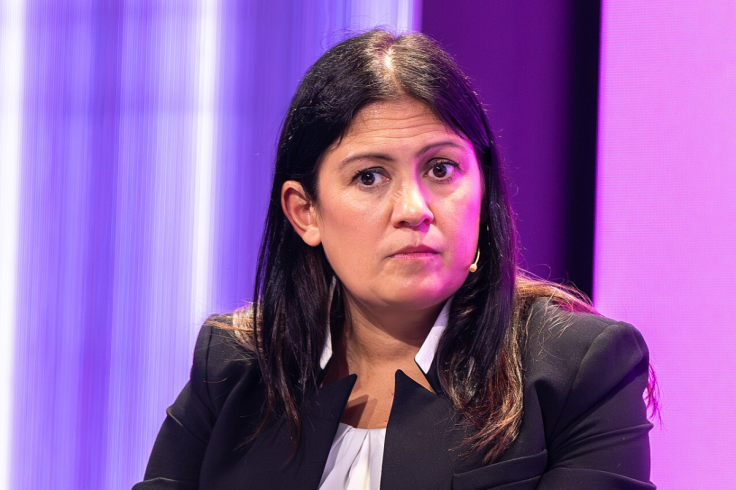
The Department for Culture, Media and Sport (DCMS) has become the second UK Government office to abandon Elon Musk's X, with Culture Secretary Lisa Nandy declaring the platform is 'not healthy for our democracy' because it now favours 'abuse and misinformation over meaningful debate'.
The move follows the earlier departure of the Attorney General's Office, making DCMS the second UK Government office to leave the platform in quick succession.
DCMS's exit is particularly notable given its responsibility for media policy, even though regulation of X remains with Ofcom. The decision has added further scrutiny to how government departments use social media platforms as part of their official communications strategies.
Together, the two departures have prompted discussion within government about the role of X in official communications and whether continued use of the platform remains appropriate for public institutions. While no formal policy shift has been announced, the timing of the exits has raised questions within Whitehall about whether attitudes towards the platform are beginning to change.
Whitehall Concerns Over X
Announcing her decision on X before leaving the platform, Nandy said she and her department would no longer use it.
I've decided to leave this platform and my Department will too.
— Lisa Nandy MP (@lisanandy) July 2, 2026
A platform originally designed for free speech and expression now favours abuse and misinformation over meaningful debate.
It isn't healthy for our democracy or our communities and I don’t want to support it.
'A platform originally designed for free speech and expression now favours abuse and misinformation over meaningful debate,' she wrote. 'It isn't healthy for our democracy or our communities and I don't want to support it.'
She added that engagement would instead continue via Instagram, Facebook and LinkedIn, marking a shift in where official communications from her department will now be directed.
The Attorney General's Office became the first UK Government department to step away from X earlier this month. Its decision was linked in part to concerns about the platform's role during disorder in Southampton and Belfast.
Officials pointed to the circulation of misleading claims and inflammatory content during periods of unrest in both locations, which they said contributed to growing concern about the spread of misinformation online during sensitive moments.
These incidents have contributed to wider concerns within government about how quickly unverified information can circulate on social media during moments of public tension, particularly when events are still unfolding in real time, and official clarification has not yet been issued.
Government Use of X Under Scrutiny
Until recently, UK Government departments were widely expected to maintain an active presence on X as part of their communications strategy. The platform was used to communicate policy, respond to public debate and provide real-time updates directly to the public.
With two offices now leaving within weeks, questions are emerging within parts of Whitehall about whether that expectation is beginning to shift, and whether long-standing assumptions about digital communication channels remain appropriate in the current media environment.
Concerns about X have also developed alongside wider political tensions between the UK Government and Elon Musk.
Last year, Musk used a video address to a rally in London to call for a 'change of government' in the UK, warning that political violence could escalate unless people 'fought back'. The comments drew widespread criticism and heightened scrutiny of his influence in public discourse, particularly regarding the role of major online platforms in shaping public debate.
More recently, disorder in Southampton and Belfast has prompted renewed discussion within government about misinformation and inflammatory content circulating on social media during periods of unrest, and how such content can spread rapidly before official responses are issued.
Earlier this year, Prime Minister Sir Keir Starmer warned that X could face tougher regulatory scrutiny after its Grok artificial intelligence tool generated a series of sexualised images involving women and children. Downing Street later said that any further enforcement would be left to Ofcom after the company took action.
A Developing Pattern
So far, only two UK Government offices — DCMS and the Attorney General's Office — have left X, making them the only confirmed departures at this stage.
For now, DCMS's exit adds weight to ongoing government discussions about the role of X in public communication and whether continued participation remains appropriate for official institutions, particularly as scrutiny of online platforms continues to grow.
© Copyright IBTimes 2026. All rights reserved.