

Can Andy Burnham Cut Taxes on His Own? Here's What the UK Prime Minister Can Truly Do
Burnham's first policy proposal has renewed questions about the powers of the UK Prime Minister
Andy Burnham's proposal to remove VAT from domestic electricity bills has raised an important constitutional question: can a UK Prime Minister simply make that happen?
The short answer is no. Although the Prime Minister is Britain's most senior political leader and sets the Government's agenda, many of the biggest decisions affecting taxes, public spending, and benefits still require parliamentary approval before they become law.
Burnham's announcement is therefore a useful reminder that while the office carries significant influence, the Prime Minister's powers are balanced by Parliament, Cabinet, and the UK's constitutional conventions.
What the Prime Minister Can Do Without Parliament
The Prime Minister has wide executive powers to run the Government on a day-to-day basis. These include appointing and dismissing Cabinet ministers, reorganising government departments, setting the Government's priorities, and chairing Cabinet meetings. The Prime Minister also represents the UK internationally and directs the overall policy agenda through ministers.
Burnham has already exercised several of those powers by reshaping Whitehall, creating new government structures, and announcing an early programme focused on economic growth and reducing living costs.
Why the Prime Minister Can't Change Taxes Alone
Although the Prime Minister can announce tax proposals, they cannot change tax law independently. Burnham's pledge to remove VAT from domestic electricity bills is an example. While the Government can introduce legislation to deliver the policy, Parliament must debate and approve the necessary legal changes before households see any reduction in their bills.
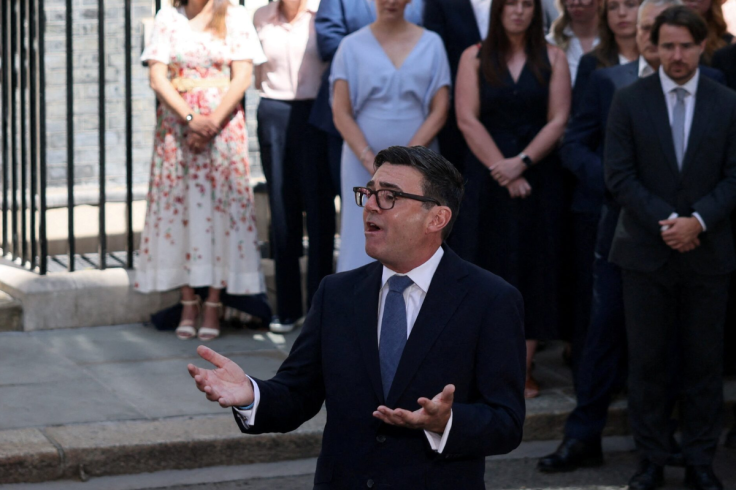
Burnham first outlined the priorities of his new Government in his speech outside 10 Downing Street after taking office. The address provides useful context for his early policy announcements, including his focus on lowering living costs and reforming how government operates.
The same principle applies to income tax, National Insurance, corporation tax, and most other taxation measures, which are usually introduced through the Budget or Finance Bill.
Changes to Benefits or Pensions
The Prime Minister cannot change benefits or pensions immediately. Changes to Universal Credit, the State Pension or other welfare payments generally require new legislation or spending decisions approved through Parliament.
Likewise, major reforms affecting housing policy, employment rights or public spending are normally introduced through legislation or departmental budgets rather than executive authority alone.
That means announcements made during a Prime Minister's first days in office often signal the Government's priorities, but practical changes usually take longer to reach households.
The Role Parliament Plays
Parliament remains central to how the UK is governed. The House of Commons debates and votes on legislation proposed by the Government, while the House of Lords scrutinises Bills before they receive Royal Assent and become law.
A Prime Minister with a strong Commons majority is more likely to pass legislation, but MPs still examine government proposals and can amend or reject them.
This system is designed to ensure that significant legal and financial changes receive democratic scrutiny rather than being introduced by executive decision alone.
Why Burnham's First Policies Matter
Burnham has moved quickly to demonstrate how he intends to govern, announcing plans to reduce household energy costs while promising further measures to address the cost-of-living crisis. Whether those proposals become law, however, depends on the Government securing parliamentary support and setting out how they will be funded.
For households, that distinction is important. A Prime Minister can shape the political agenda, reorganise government and propose new policies, but many of the changes that affect everyday life still require Parliament's approval before they take effect.
As Burnham's Government prepares its first Budget and legislative programme, the coming months will reveal which of its early promises can be translated into law.
© Copyright IBTimes 2026. All rights reserved.