

US Voices 'Great Concern' Over China's Nuclear Buildup After Submarine Missile Test into Pacific
China's missile test in the Pacific raises US concerns over nuclear expansion and regional stability
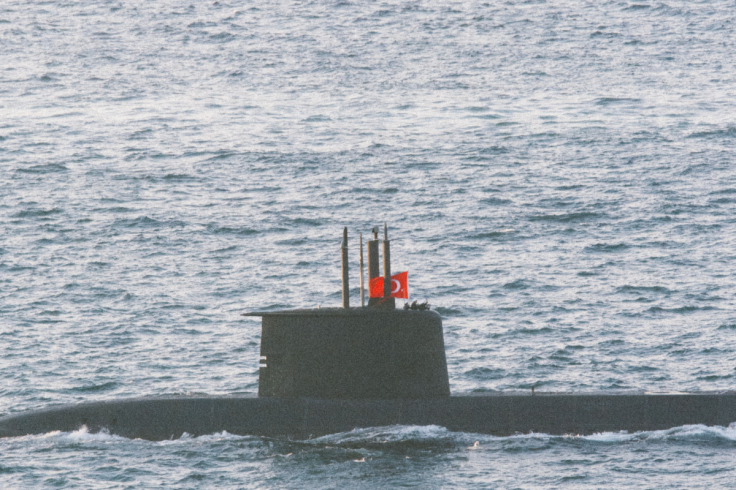
The United States has expressed great concern over China's nuclear weapons buildup after Beijing conducted a rare test launch of a submarine-launched ballistic missile into the Pacific Ocean. US authorities monitored the launch from a nuclear-powered submarine of an unarmed intercontinental-range ballistic missile carrying a dummy warhead. The missile landed in the southern Pacific Ocean.
US Voices Concern Over Nuclear Buildup
The test underscores China's efforts to bolster its sea-based nuclear deterrent capabilities as part of a wider military modernisation drive. Experts assess that the missile was likely the JL-3, which possesses the range to strike targets across the continental United States from waters off China's coast.
Pentagon assessments indicate that China's nuclear warhead stockpile remained in the low 600s through 2024. The country continues on track to field more than 1,000 operational nuclear warheads by 2030. This expansion has prompted repeated expressions of concern from US officials about the pace and opacity of Beijing's nuclear activities.
The US statement highlighted the contrast with American efforts to curb nuclear proliferation. It called for China to provide greater transparency and to participate in structured arms control discussions.
China Describes Test As Routine Annual Training
Chinese military officials presented the launch as a standard component of the country's annual military training programme. A spokesman for the People's Liberation Army Navy said a submarine had launched a strategic missile carrying a dummy warhead towards designated high seas areas of the Pacific.
The missile landed precisely within the allocated waters, according to the spokesman. He stated that the operation was conducted in accordance with international law and targeted no specific country or objective. Relevant nations had been informed of the plans in advance.
China currently operates six Type 094 Jin-class nuclear-powered ballistic missile submarines. The test marks a notable demonstration of its submarine-launched capabilities. It comes after a ground-launched intercontinental ballistic missile was fired into the Pacific in September 2024, the first such launch by China in more than four decades.
The test was the first of its kind reported in the Pacific for some time. 'Beijing's rapid and opaque nuclear weapons buildup is of great concern to the region and the world,' said a State Department statement issued yesterday. Washington urged China to pursue meaningful arms control talks and adopt regular notification procedures for such launches, in line with commitments made by other P5 members. The United States remains steadfast in its defence commitments to allies and partners.
Regional Allies Raise Alarm Over Destabilising Move
Australia's foreign minister Penny Wong described the test as destabilising to the region. She placed it in the context of China's rapid military buildup, which she said lacks the transparency and reassurance that neighbours expect.
New Zealand's foreign minister Winston Peters called the development unwelcome and concerning. He noted that Pacific countries have no interest in the South Pacific serving as a site for missile testing and warned against normalising such activities in the region.
Japan expressed serious concerns regarding China's increasingly active military activities and urged Beijing to reconsider its approach to ballistic missile testing. Taiwan said the test had caused unease across the region and further highlighted China's ambitions for expansion in the Western Pacific. The United States reaffirmed its commitment to supporting allies and partners amid these developments.
© Copyright IBTimes 2026. All rights reserved.