

What Ruth Ellis' Historic Pardon Really Means—And Why Her Conviction Still Stands
Ruth Ellis's posthumous pardon highlights the evolution of the justice system's understanding of domestic abuse.
Ruth Ellis has received a historic posthumous conditional pardon more than 70 years after becoming the last woman to be executed in Britain. But the decision does not erase her murder conviction, and that distinction lies at the heart of why the pardon is so significant.
The pardon acknowledges that Ellis was sentenced to death at a time when the criminal justice system failed to recognise the impact of domestic abuse and coercive control. Today, those factors are considered by the courts and could significantly affect how a case is prosecuted and judged.
Approved by King Charles III on the advice of Justice Secretary David Lammy, the pardon follows years of campaigning by Ellis's family. While it cannot change the outcome of her 1955 trial, it represents official recognition that her case would almost certainly have been viewed differently under modern law.
A Symbolic Act
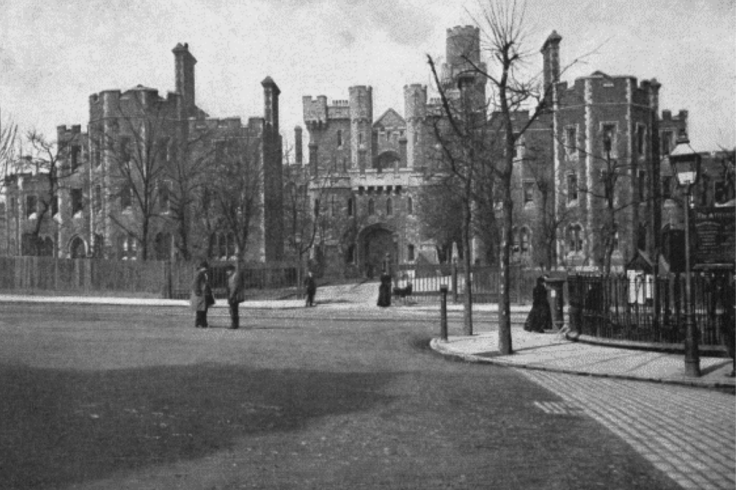
Ellis was 28 when she was hanged at Holloway Prison after admitting to shooting her former partner, David Blakely, outside a London pub. Her trial lasted just one day, and the jury returned a guilty verdict in around 30 minutes.
The conditional pardon does not declare Ellis innocent. Instead, it symbolically replaces her death sentence with life imprisonment while recognising that the justice system did not take proper account of the years of abuse she suffered before the killing.
The government said that if Ellis were tried today, a jury could consider legal defences such as loss of control or diminished responsibility. Those defences, introduced decades after her execution, may have resulted in a conviction for manslaughter rather than murder and would have offered the jury a more nuanced view of her responsibility.
Not an Acquittal
Many people assume a pardon clears a person's name. In law, it does not.
Ellis admitted killing Blakely, and no court has overturned the original verdict. Only a successful appeal or a court decision quashing the conviction could remove it from the legal record.
Instead, the pardon recognises that the legal system of the time did not fully consider the circumstances surrounding the offence. It acknowledges a historical injustice without rewriting the outcome of the trial and serves as a reminder that pardons are acts of mercy, not legal exonerations.
Why It Still Matters
Ellis's execution became one of Britain's most controversial criminal cases and helped shape the public debate that eventually led to the abolition of capital punishment for murder.
Her grandchildren, who campaigned for the pardon, said the decision brings long-awaited recognition that her experiences of domestic abuse were overlooked by the courts. Although the conviction remains, they described the pardon as an important step in acknowledging how differently her case would likely be viewed today.
For legal experts and campaigners, the decision also reflects how far the justice system has evolved in its understanding of domestic abuse and coercive control. The pardon cannot rewrite the verdict delivered in 1955, but it does acknowledge that Ruth Ellis's case would almost certainly have been judged through a very different legal and social lens if it were heard today.
The decision is also expected to renew discussion about how historical cases involving domestic abuse are assessed under today's legal standards.
© Copyright IBTimes 2026. All rights reserved.