

Donald Trump Health Scare: Alex Jones' Reports on Collapse and Walter Reed Visit Explained
White House Addresses Viral Rumors of Trump's Health Crisis
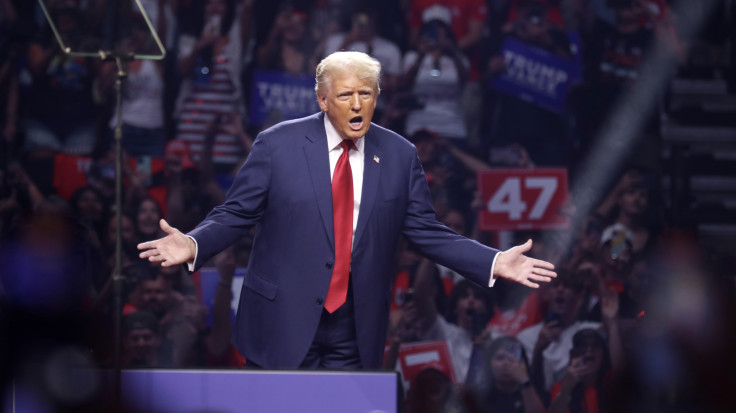
Broadcaster Alex Jones is claiming that Donald Trump has been rushed to the hospital after the US president collapsed on Sunday, April 5. But what truly happened to the POTUS that would have caused him to be taken to the Walter Reed Medical Centre?
Alex Jones Likens Trump Hospitalisation Rumours to Netanyahu Death Reports
Jones recently shared a post on his official X account where he spoke about how Trump was brought to the hospital and is being secretly kept in the Walter Reed Medical Centre. According to the host of The Alex Jones Show, the rumours are pretty similar to the time when several reports suggested that Israeli Prime Minister Benjamin Netanyahu had been killed in an Iranian missile attack.
Since the news went viral, people have been wondering what happened to Trump and if the POTUS was truly hospitalised due to some health scare.
What Happened to Trump? Hospitalisation Rumours Explained
White House Communications Director Steven Cheung directly addressed the rumours, insisting there was no medical emergency.
'The president is working,' he said, pushing back against what he described as 'baseless' speculation circulating online. His comments were echoed by the administration's rapid response team, which criticised the spread of what it called conspiracy-driven narratives.
The speculation appears to have been triggered by Trump's absence from public view for several days following a national address on the escalating US-Iran conflict. The president, known for maintaining a highly visible schedule that often includes public appearances and golf outings, had not been seen in person, prompting questions about his whereabouts.
Despite the lack of public appearances, officials pointed to several indicators that Trump remained active and in good health. A CBS News correspondent reported seeing a Marine sentry stationed outside the West Wing, which is standard protocol signalling the president's presence inside the White House. In addition, Trump continued posting frequently on his Truth Social platform, sharing political messages and commentary throughout the period in question.
Cheung emphasised that Trump had been working throughout the Easter weekend, describing him as 'working nonstop' despite the rumours. The White House also declined to provide further details about the president's schedule, a decision that left some questions unanswered but did little to slow the spread of speculation online.
Did Trump collapse and is he currently inside the Walter Reed Medical Center in DC? Remember when almost everyone two weeks ago was saying Benjamin Netanyahu was killed by an Iranian missile? https://t.co/OEffAOw7m9 pic.twitter.com/4BBtY1jv9f
— Alex Jones (@RealAlexJones) April 5, 2026
The episode highlights how quickly misinformation about public figures can gain traction, particularly when paired with limited official visibility. In this case, a combination of unverified reports, social media amplification, and Trump's temporary absence created a vacuum that allowed rumours to flourish.
It also underscores the heightened scrutiny surrounding presidential health, especially for leaders in their late 70s. While the White House has consistently maintained that Trump is in strong physical condition, any deviation from his usual public routine appears to trigger immediate public interest and concern.
For now, officials insist there is no truth to claims of a health crisis or hospitalisation. The administration has framed the incident as another example of how online speculation can spiral into widespread misinformation—forcing rapid responses even in the absence of any confirmed medical issue.
© Copyright IBTimes 2026. All rights reserved.
- Recommended For You


