

TikTok Billionaire Zhang Yiming's Net Worth Soars Past Mukesh Ambani's — See Who Still Leads Asia
ByteDance co-founder Zhang Yiming's wealth surges amid AI and TikTok growth
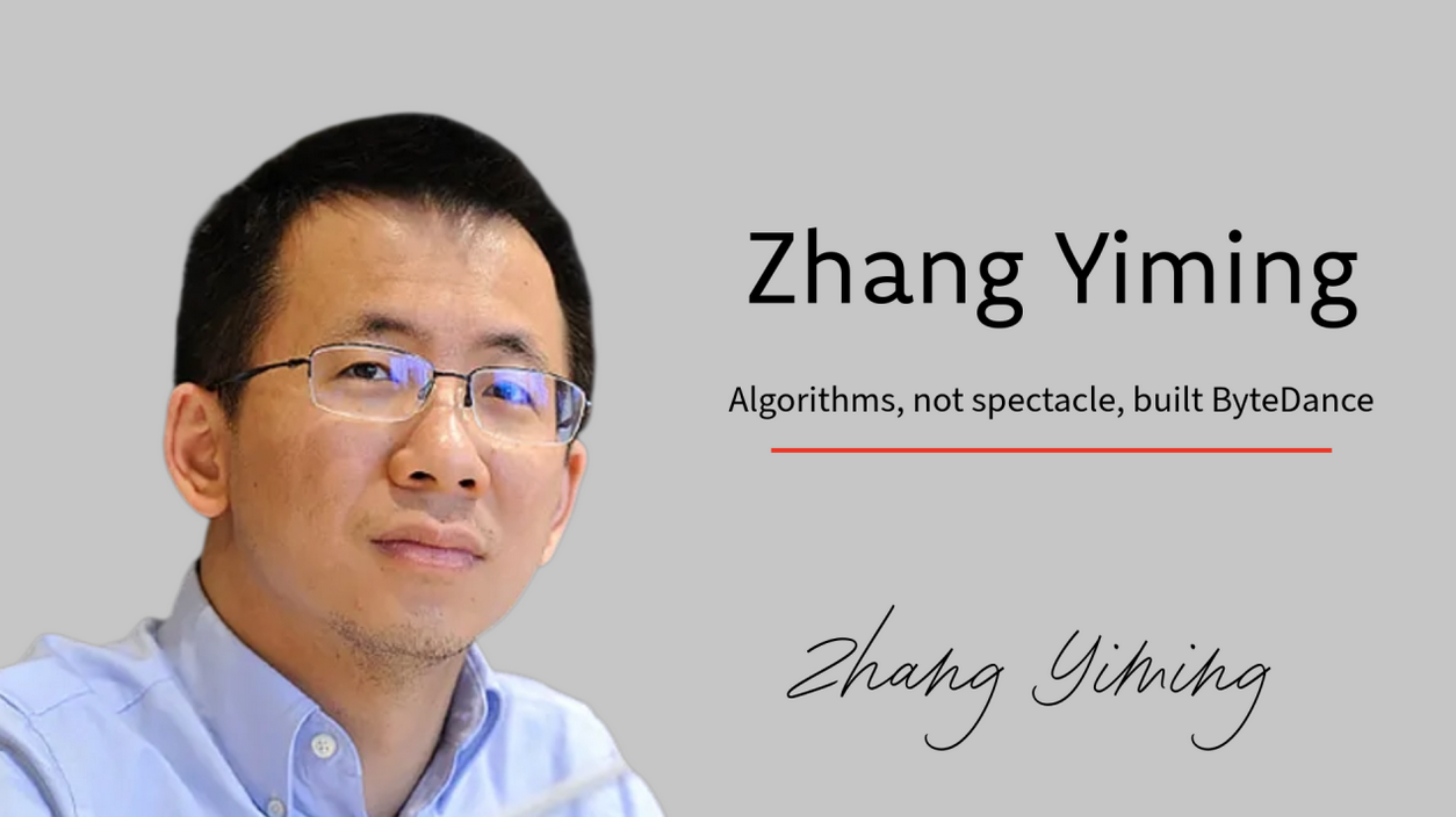
Zhang Yiming's personal fortune surged by £17.9 billion ($24 billion) in a single day after a recalculation of his ByteDance stake, vaulting the TikTok co-founder past Mukesh Ambani to become Asia's second-richest person.
The Bloomberg Billionaires Index pegged Zhang's net worth at £69.1 billion ($92.8 billion) on 3 June — cementing his position as China's wealthiest individual. The one-day jump came after Bloomberg assessed fresh valuations from institutional investors, including BlackRock, Fidelity Investments, T. Rowe Price Group, HSG, and General Atlantic, all filed in regulatory disclosures in late May.
A key driver was the index's decision to slash a risk discount applied to ByteDance's valuation. Bloomberg had imposed a 25 per cent discount since March 2024, when the US House of Representatives passed legislation threatening to ban TikTok unless its Chinese parent sold the app.
On 2 June, that discount was cut to 10 per cent, reflecting the completed sale of TikTok's US operations to a consortium led by Oracle, Silver Lake, and Abu Dhabi-based investment firm MGX. The deal ended years of political and regulatory uncertainty over what critics described as potential national security vulnerabilities.
Ambani, chairman of Reliance Industries, slipped to third in Asia with a net worth of £64.7 billion ($86.9 billion).
Gautam Adani retained the top spot at £87.4 billion ($117.4 billion), The National noted.
How a Chatbot and a Risk Discount Reshaped Asia's Wealth Rankings
Zhang, 42, co-founded ByteDance in a Beijing apartment in 2012 with the aim of building AI-powered platforms. He stepped down as chief executive in 2021 and now lives in Singapore. He holds roughly 21 per cent of the company.
His fortune has swelled more than sevenfold since Bloomberg began tracking it in March 2019, when he was worth approximately £9.7 billion ($13 billion). The growth rests on two pillars: TikTok, which claims more than one billion users globally, and Doubao, ByteDance's AI chatbot. Doubao has amassed more than 300 million monthly users, making it China's most popular AI assistant and the second most-used chatbot in the world.
'The jump in valuation reflects the company's strong fundamentals and the success of its apps such as Doubao in China,' said Amy Lin, a Shanghai-based analyst at Capital Securities. 'The developments in the US are unlikely to have a major negative impact.'
Zhang first claimed the title of China's richest person in 2025. He was later overtaken before reclaiming it earlier this year.
ByteDance Bets £52.1B on AI as It Eyes IPO
ByteDance is weighing capital expenditure of up to £52.1 billion ($70 billion) in 2026 to expand its AI infrastructure — a figure that would represent more than double its estimated £18.6 billion ($25 billion) in capital costs during 2025. Bloomberg separately disclosed the spending plans in late May. The company expects to fund much of it through roughly £37.2 billion ($50 billion) in profit earned last year.
Part of that AI push is already bearing commercial fruit. ByteDance is preparing to roll out paid subscription tiers for Doubao, according to Caixin Global. A standard plan costs 68 yuan (roughly £7.30 / $10) per month, with an enhanced option at 200 yuan and a professional package at 500 yuan. The basic version will remain free. It is a rare move in a market where Chinese users have historically resisted paying for online tools.
ByteDance remains privately held and is widely viewed as a candidate for an eventual initial public offering. Its app ecosystem, spanning TikTok, its Chinese counterpart Douyin, and the news platform Toutiao, generates the kind of cash flow that makes the company's AI ambitions largely self-funding.
'Removing the US overhang unlocked the re-rating of the remaining ByteDance entity,' Ke Yan, a Singapore-based tech analyst with DZT Research, told The National. 'Even with the re-rating, the valuation still looks cheap on fundamentals.'
The wealth rankings shift marks another sign that AI-driven valuations in Asia are closing the gap on the region's traditional industrial and energy fortunes.
© Copyright IBTimes 2026. All rights reserved.