Betty Boderick Dies in Prison at 78—Her Story and Cause of Death Explained
True crime case of Betty Boderick returns to spotlight after prison death reports
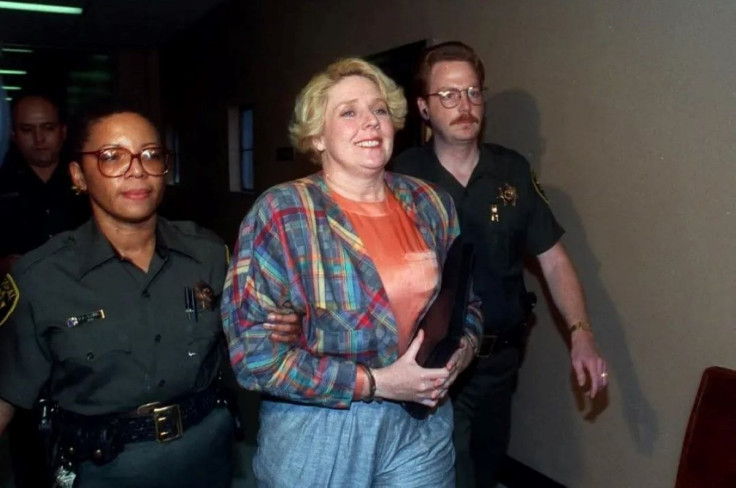
Betty Boderick, one of the most infamous names in American true crime history, has reportedly died in prison at the age of 78, bringing renewed attention to a case that has remained deeply divisive for more than three decades. Early reports suggest she was placed on life support following a serious health decline linked to a fall in custody and subsequent infection complications, though official confirmation of her exact cause of death is still pending.
Final Days Behind Bars Marked by Medical Emergency
Boderick's health deteriorated significantly in the weeks leading up to her death. She is believed to have suffered a serious fall while incarcerated, which allegedly resulted in physical injury. Sources cited in US media claim her condition worsened as infection developed, eventually progressing into sepsis, a life-threatening response to infection.
It has also been reported that she was transferred to a prison medical facility where she was placed on life support as her condition became critical. While multiple outlets have repeated similar accounts, correctional authorities have yet to release a detailed medical timeline confirming the sequence of events.
The Case That Shocked America
Boderick became a national figure following the 1989 murders of her ex-husband, Dan Broderick, and his new wife, Linda Kolkena. The killings took place inside the couple's home in San Diego and quickly became one of the most widely publicised domestic murder cases in the United States.
At trial, prosecutors argued that Boderick had planned the attack following years of escalating divorce conflict. They described the killings as deliberate and driven by anger over the breakdown of her marriage and her ex-husband's new relationship.
Her defence team, however, argued that she had suffered prolonged emotional distress and psychological pressure during the divorce process, claiming she had been pushed to breaking point. The jury ultimately convicted her of two counts of second-degree murder in 1991, and she was sentenced to 32 years to life in prison.
Life Sentence and Repeated Parole Denials
Boderick spent decades behind bars in California, where her case continued to attract public debate. She became a symbol of one of the most polarising questions in true crime history: whether her actions were the result of calculated violence or extreme emotional breakdown.
Her bids for parole were repeatedly denied, including hearings in 2010 and 2017. She would not have been eligible for another parole review until 2032, meaning she was expected to remain in prison for many more years.
Renewed Attention After Reported Death
Her reported death has reignited global interest in the case, particularly within the true crime community, where discussions about her motives and mental state continue to divide opinion.
As reported by TMZ, Boderick allegedly suffered a serious fall in custody, followed by complications including infection and sepsis, before being placed on life support. These claims have contributed to renewed scrutiny of her final days, though official authorities have not yet fully confirmed all details.
Public reaction online has been swift, with many revisiting the original trial and questioning how her case should be understood in the context of domestic abuse, emotional trauma, and criminal responsibility. Others argue that the facts of the double murder remain clear regardless of the circumstances surrounding her personal life.
A Case That Refuses to Fade
Even decades after the killings, the Boderick case continues to generate strong emotional responses, documentaries, and renewed media coverage. Her death, is likely to close a chapter on one of the most controversial figures in modern true crime history, but the debate surrounding her actions shows little sign of disappearing.
© Copyright IBTimes 2026. All rights reserved.
- Recommended For You