

Bill Gates Names Russian Bridge Player and Nuclear Physicist in Testimony as Transcripts Drop From House Probe
Microsoft founder says his own chief science adviser likely fed Epstein the affair details used for pressure
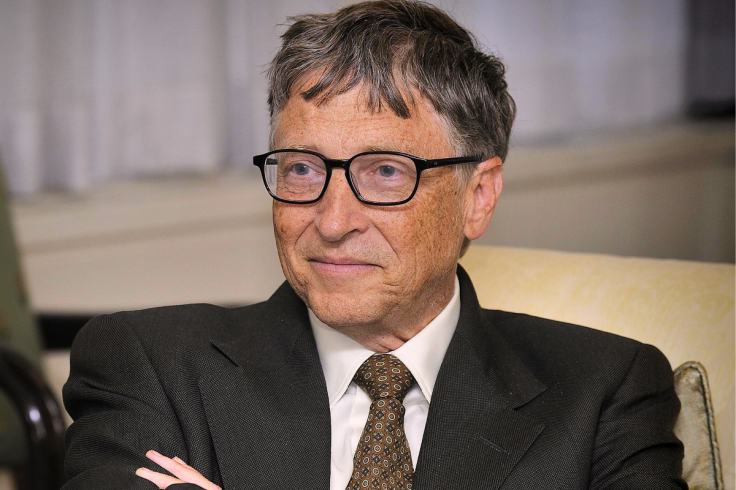
The House Oversight Committee released the full transcript of Bill Gates's closed-door testimony on Tuesday, and the document confirms what the Microsoft co-founder told lawmakers thirteen days earlier. He had affairs with a Russian bridge player and a Russian nuclear physicist, and he believes Jeffrey Epstein personally weaponized those specific details to plot a potential blackmail attempt against him.
Gates sat for nearly six hours of questioning on 10 June, according to the committee. The transcript was published on 23 June, alongside the release of Lesley Groff's earlier deposition. Bloomberg first reported the contents on Tuesday evening.
The Affairs Gates Named Under Oath
Gates told lawmakers he had relationships with Mila Antonova, a Russian bridge player met at card events, and Karima Nigmatulina, a Russian nuclear physicist. He also acknowledged an earlier affair with medical entrepreneur Dr Alice Jacobs Nesselrodt. He testified that he informed Melinda French Gates about the relationships before 2013, well ahead of their 2021 divorce.
Neither of the Russian women was introduced to Gates by Epstein, Gates testified. That distinction matters because it knocks down the simplest version of the story, that Epstein engineered the affairs to trap him. Gates said Epstein learned about them later, then tried to use the information.
The Adviser Who Allegedly Tipped Off Epstein
The detail that rewires the story involves Boris Nikolic, Gates's former chief science adviser. Gates told the committee he believes Epstein learned about the affairs through Nikolic. Nikolic was close enough to Gates that he served as an alibi on one occasion, allowing the billionaire to disappear during a trip to London.
'One time it was a scheduling thing, when we were in London, where I said to him I was going to disappear and wanted him to show that I was meeting with him at that time,' Gates told the committee.
When Nikolic left the Gates Foundation in 2013, he engaged Epstein to negotiate his exit, Gates said. Epstein travelled to Seattle to assist. From that point, Gates testified, the emails carried 'veiled' language about staying friends, which made him wonder what Nikolic had shared.
How Epstein Tried to Use the Information
Two draft emails the Department of Justice released, written by Epstein on Nikolic's behalf, hinted at the affairs and falsely claimed Gates had contracted a sexually transmitted infection. Gates told the committee the drafts appeared to be 'brainstorming' for a blackmail attempt, and that the truth was mixed with 'literally dozens of false things.'
'I was not blackmailed,' Gates said, but 'as you look at these emails, you know, it looks like Mr Epstein's brainstorming was going in that direction.'
Gates met Epstein 12 to 14 times in person and twice on Skype over four years, according to the transcript. He said the contact ended in 2014.
What This Reveals About Trusted Aides
For US readers, the takeaway is the middleman, not the Russian women or the celebrity names. Gates, one of the wealthiest people on the planet, was reached not by hackers or tabloids but through his own paid right hand. Nikolic told Fortune in March that Epstein was 'a master manipulator' and said he deeply regrets associating with him.
Anyone who has signed a power of attorney, hired a personal assistant, or shared a medical history with a doctor sits one trusted aide away from the same vulnerability. The Gates files show how this kind of access plays out in practice, and the House panel is set to interview billionaire Leon Black, former Bill Clinton aide Doug Band, and former Barclays CEO Jes Staley this summer.
© Copyright IBTimes 2026. All rights reserved.
- Recommended For You


