

UN Confirms Child Killed After Taliban Open Fire on Rare Women's Rights Rally
Protests Erupt in Herat Over Women's Arrests for Hijab Violations
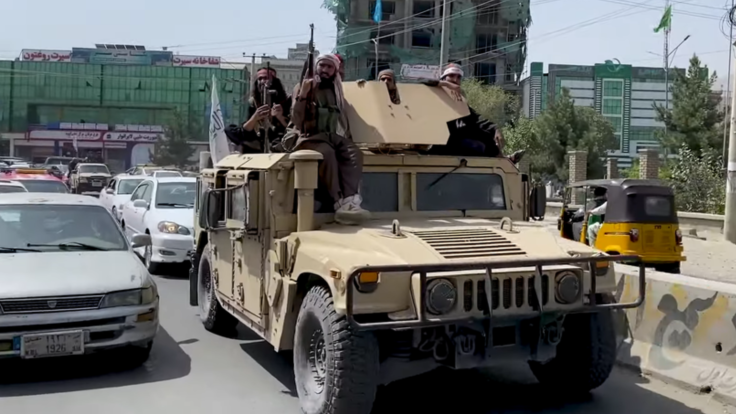
Taliban security forces shot and killed a child in the western Afghan city of Herat on 9 June 2026 after opening fire on a crowd demanding the release of women arrested for failing to meet the regime's hijab standards.
The protests, which the UN Assistance Mission in Afghanistan (UNAMA) confirmed in an official press release, erupted in the Jibreil district of Herat after Taliban morality police detained at least 30 women and girls between 6 and 7 June, alleging they had violated the regime's dress code requirements. UNAMA confirmed at least one person, a boy, was killed by gunfire; the UN mission said it was also verifying a second fatality. More than 20 people were injured, with witnesses reporting beatings with sticks alongside the live fire.
The crackdown came days after the Taliban's Ministry for the Propagation of Virtue and Prevention of Vice, commonly known as the morality police, called for strict dress code adherence at Friday prayers across Herat on 5 June. Human Rights Watch, which spoke to residents on the ground, reported that Kabul residents also told its researchers they had received similar instructions that same week.
Mass Arrests on Dress Code Grounds, and the Protest That Followed
According to UNAMA's press release, the arrested women were held by Taliban morality police officials acting alongside the de facto police force. Dozens more women reportedly received only verbal warnings. Residents told Human Rights Watch that the arrested women had in fact been wearing hijab; the issue, witnesses said, was the style, not the coverage. One resident told HRW: 'In the last few days, they brought big vans to the area and arrested many women including pregnant and older women. All the women were wearing hijabs, but the style did not meet their preferences.'
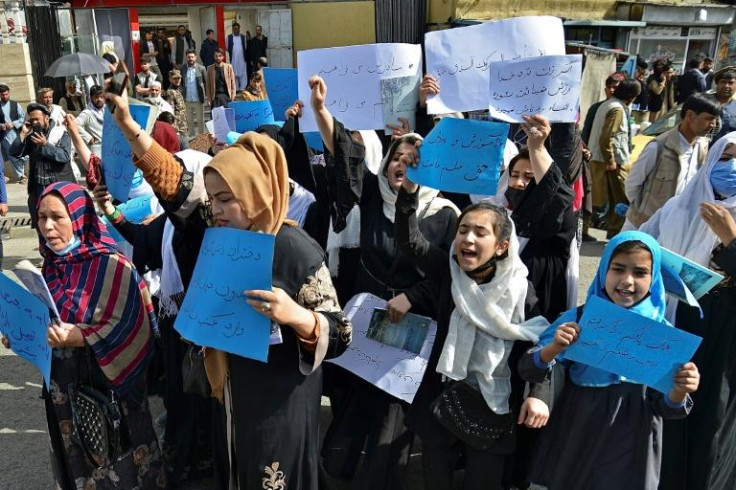
The UN confirmed the detained women were released on 8 June. But the arrests had already lit a fuse. Witnesses told Rukhshana Media, cited by The Guardian, that around 70 people gathered the following day in the Jibreil district despite a heavy Taliban security presence. Protesters chanted 'Education, work and freedom' in defiance of a government that has banned all unauthorised gatherings and made dissent a punishable offence. One resident captured the atmosphere plainly: 'People were afraid, but they still came out.'
The demonstration drew both men and women, which Samira Hamidi, regional campaigner at Amnesty International, described as significant: 'Today's protest, especially with the participation of men after a long time, reflects growing public anger at the Taliban's five years of systematic targeting of women and girls, and the intensifying repression of personal freedoms across Afghanistan.' One organiser, speaking anonymously to The Guardian, said protesters co-ordinated via WhatsApp groups, motivated not only by the arrests but by unemployment and the years-long closure of girls' schools.
A Boy Shot Dead, Scores Beaten: The UN's Confirmed Account
UNAMA's account of what happened next is unambiguous. Taliban security forces opened fire on the crowd, killing at least one child. The mission's press release describes people being beaten with sticks. A second fatality was under verification at the time of publication. UN human rights experts noted that some protesters had thrown stones, but stated explicitly that such actions do not meet the strict legal threshold required for the use of lethal force under international law.
Video footage shared with The Guardian from the Jibreil district showed armed Taliban fighters shooting towards dozens of protesters. A woman's voice could be heard screaming the Dari word for freedom, 'azadi', over the sound of gunfire. In a second clip, women could be heard saying: 'They are shooting.' Local sources said at least 13 people were detained following the crackdown, after being beaten by officials. Three people were reported wounded in addition to those killed.
Fereshta Abassi of Human Rights Watch, speaking to The Guardian, put the moment in direct terms: 'People are angry. As far as we know, the Taliban have arrested some women in the past few days, and that's apparently why their family members and others have been protesting these rules. They see the Taliban as interfering in people's privacy, which is unacceptable.'
UNAMA's Deputy Special Representative, Georgette Gagnon, stated: 'The de facto authorities are obliged under international law to uphold the rights of all Afghans to freedom of expression, peaceful assembly, liberty and security of person, and freedom from arbitrary detention.'
The Decree Behind the Crackdown, and Five Years of Erasure
The legal basis for arresting women over their hijab style traces to a decree issued on 7 May 2022 by Taliban Supreme Leader Hibatullah Akhundzada's Ministry for the Propagation of Virtue and Prevention of Vice. The decree identified the head-to-toe burqa as the 'best hijab' and required women to cover their faces, showing only their eyes. Under that decree, if a woman violates the dress code, her male guardian: her father, brother, or husband, faces a warning, then imprisonment, then referral to a court. The decree also stipulated that female government employees who fail to cover their faces would be dismissed.
The morality police in Herat had escalated enforcement in the weeks before the June arrests. According to reporting by NPR from February 2026, Taliban officials had already been conducting stop-start crackdowns in Herat on women showing their faces, fanning out through government departments, schools and health facilities since at least November 2025. Local outlet Hasht-e Subh also reported that audio circulating the week before the June crackdown included a Taliban official instructing Friday prayer leaders across Herat's districts to publicly call for strict hijab compliance.
The 9 June protest is a rare moment of public defiance in a country where resistance has been all but extinguished. Since recapturing power on 15 August 2021, the Taliban have barred women and girls from secondary schools, universities, most paid employment, and most public spaces. Protests are illegal. The Taliban have responded to previous demonstrations with detention, torture and armed force. Asked for comment by The Guardian, a Taliban spokesman in Herat told the regime's own National Television that reports of women being arrested over their hijab were 'baseless', and claimed no woman had ever been arrested for this reason.
In Herat on 9 June, the answer to that denial lay in the streets: a child shot dead, families beaten with sticks, and a crowd of 70 people who came out anyway, knowing the cost.
© Copyright IBTimes 2026. All rights reserved.