Loneliness Influencer Culture Is Exploding: Inside the Bizarre 'Solo-Maxxing' Trend Rebranding Isolation
Social media content creators are turning solitude into a viral lifestyle identity
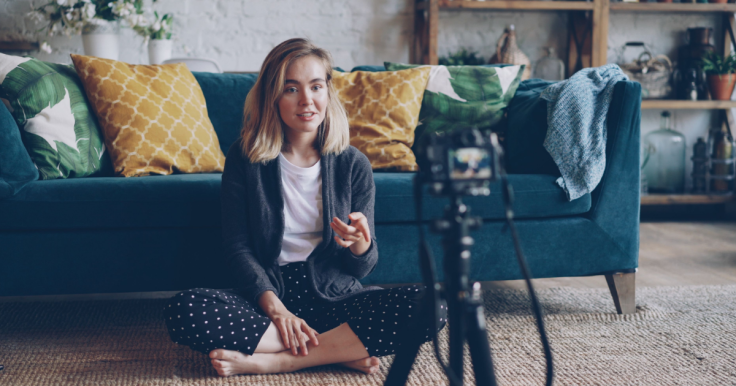
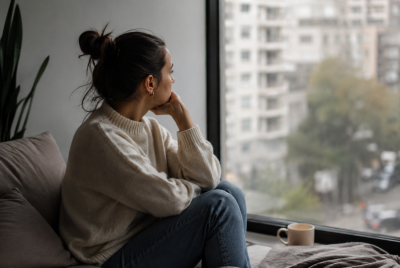
A growing wave of TikTok and Instagram content is reframing loneliness as a lifestyle choice, as the viral 'solo-maxxing' trend gains traction across social platforms where isolation is increasingly presented as a form of self-optimisation rather than absence or emotional struggle.
Short-form videos under related themes show creators embracing solitary routines, from late-night grocery runs and silent café visits to tightly structured days with little or no social interaction.
The content consistently reframes being alone as something to improve, refine and document.
What Is 'Solo-Maxxing'?
The term 'solo-maxxing' originates from online 'maxxing' slang used in internet subcultures to describe extreme self-improvement behaviours. In this context, it refers to maximising productivity, discipline or personal development while minimising social contact.
@lanaisaaa i love the quiet!!! do u hear that??? no??? that’s because it’s QUIET 🥰 #solo #childfree #dayinmylife #food #dinner #solodate #livingalone #asmr #vlog #pov #single #livingaloneinmy20s #apartment
♬ original sound - lana
Rather than framing solitude as an emotional lack, the trend positions it as a strategy. Videos linked to the concept typically show creators working alone for extended periods, eating solo in public spaces, or building highly structured routines centred on isolation and personal efficiency.
Recent reporting on digital culture has linked the trend to a broader shift in Gen Z online behaviour, where self-optimisation narratives increasingly compete with traditional ideas of social fulfilment.
The Rise of Loneliness Influencer Content
Alongside 'solo-maxxing,' social platforms have seen the emergence of so-called oneliness influencers, creators whose content is built around curated depictions of solitude.
One frequently cited example in lifestyle coverage is Lana Isa, known online as @lanasololife, who has built a following of nearly 200,000 Instagram users through solo-living vlogs.
Her videos often depict everyday routines shaped by isolation, including clips such as: 'POV: you're single, have no friends, live alone, and won't be having kids, so this is your life.'
@lanaisaaa “having no friends is a red flag” isn’t always a valid take 🥲 #sololife #livingalonediaries #alonenotlonely #introvert #solovlog friday night, time stamps
♬ original sound - ່
Isa has rejected the idea that her content romanticises loneliness. 'I was never trying to romanticise having no friends. I was just trying to romanticise making the most of the current stage of life that you're in,' she said. 'I don't think anyone wakes up one day and decides they want to have no friends,' she told The Cut.
Similar posts typically feature quiet city walks, minimalist home routines, and solo dining scenes, edited in slow, aestheticised formats tailored for short-form feeds.
Why the Trend Is Spreading?
The visibility of loneliness-focused content is closely tied to algorithm-driven recommendation systems that prioritise emotionally engaging material.
Themes of isolation, independence, and introspection often generate strong watch time and replay value, increasing their distribution across feeds.
Post-pandemic behavioural shifts have also contributed.
Many younger users who experienced prolonged social restrictions are now more accustomed to solo routines, which increasingly appear in lifestyle content online.
At the same time, platform incentives reward consistent, identity-driven storytelling.
This encourages creators to repeatedly frame solitude not as a temporary experience, but as a defining personal brand.
Debate Over the 'New Solitude'
The rise of 'solo-maxxing' content has sparked debate among cultural commentators over whether loneliness is being reframed in ways that blur emotional reality.
Some critics warn that presenting isolation as optimisation risks downplaying the psychological effects of prolonged loneliness.
Others argue the trend reflects a wider cultural shift in how independence and self-sufficiency are valued in digital spaces.
The distinction between healthy solitude and emotional withdrawal remains central to the discussion, particularly as audiences engage with content that aestheticises being alone.
A Shift in Digital Identity
The growth of loneliness influencer content and 'solo-maxxing' points to a broader transformation in how identity is constructed online. Emotional states are increasingly becoming content formats, with solitude itself documented, curated, and circulated.
In this environment, loneliness is no longer solely a private experience but a public aesthetic shaped by algorithmic visibility, creator branding, and platform engagement dynamics.
© Copyright IBTimes 2026. All rights reserved.
- Recommended For You