

'Caused More Harm Than Good': Seattle Mayor Walks Back Explosive Starbucks Boycott Push
Mayor Katie Wilson acknowledges her Starbucks boycott comments were counterproductive as Seattle navigates economic challenges.
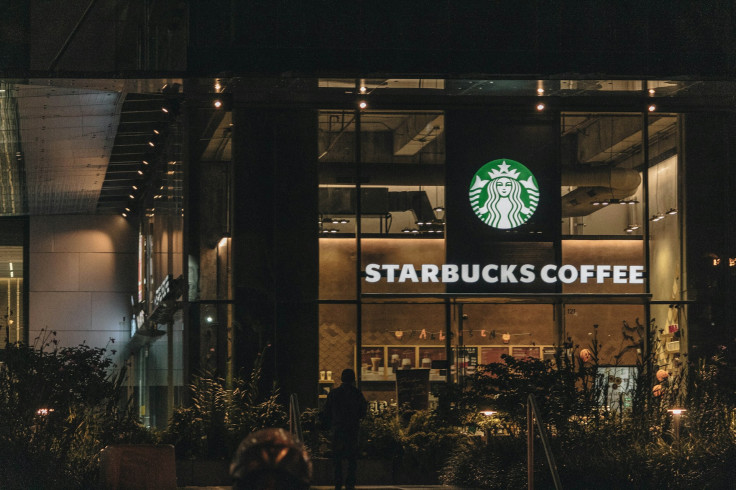
Seattle Mayor Katie Wilson has moved to dial back her earlier hard line on a proposed Starbucks boycott, conceding that her comments 'caused more harm than good' as debate heats up over the city's economic future and its fraught relationship with major employers.
Seattle Mayor Walks Back Starbucks Boycott Rhetoric
The controversy stems from Wilson's earlier public support for Starbucks workers during labour protests, when she was seen aligning with calls to boycott the coffee giant amid unionisation efforts in Seattle. Those remarks drew significant criticism from business leaders and political commentators, who warned that anti‑corporate messaging from City Hall could discourage investment and accelerate corporate relocation trends.
In a recent interview, Wilson appeared to step back from that position, conceding that her earlier messaging was counterproductive.
'Those comments were not productive in the sense that they caused more harm than good,' she said.
The statement marks a notable shift in tone for the mayor, who previously supported labour demonstrations involving Starbucks employees and voiced strong criticism of corporate labour practices.
Seattle mayor-elect Katie Wilson, a self-described socialist, joined a Starbucks workers' picket line to call for higher wages, framing her participation as “communist” in nod to her political stance after defeating incumbent Bruce Harrell.
— aka (@akafaceUS) November 16, 2025
Note that Seattle Starbucks baristas… pic.twitter.com/sWzkl6Wx5x
The coffee chain, founded in Seattle in 1971, remains one of the city's most prominent global brands and a major economic anchor, despite expanding its corporate footprint across the United States.
Wilson's revised stance comes as Seattle continues to navigate post‑pandemic economic challenges, including downtown office vacancies, retail closures and concerns about long‑term business retention. City officials have been under increasing pressure to maintain a balance between progressive labour policies and economic stability.
A Tactical Win For Starbucks, Or Just A Truce?
Starbucks has been at the centre of ongoing labour disputes nationwide, with unionisation efforts spreading across hundreds of stores. Workers have cited concerns over wages, scheduling practices and workplace protections, while the company has stated it continues to engage in collective bargaining with employees.
Analysts say the mayor's softened rhetoric reflects a broader attempt to reduce tensions between City Hall and major employers. Critics of earlier boycott language argued that public officials endorsing, or appearing to support, consumer boycotts risk sending negative signals to companies considering expansion or retention in Seattle.
At the same time, labour advocates maintain that public pressure campaigns remain an important tool in negotiations over workplace conditions. The dispute highlights a broader political tension in many US cities, where progressive leadership often intersects with reliance on large corporations for tax revenue and employment.
Starbucks' Expanding Footprint And Seattle's Jitters
Starbucks' continued expansion outside Washington state has also added to local concerns. The company recently announced plans to grow its operations in other regions, fuelling fears among some officials about potential long‑term shifts away from its Seattle base.
Business leaders argue that rhetoric surrounding boycotts and corporate criticism can have lasting effects on investor confidence, especially at a time when cities are competing aggressively for headquarters, jobs and infrastructure investment.
For now, Wilson has not issued a formal apology. However, her acknowledgment that the comments 'caused more harm than good' also suggests a deliberate effort to reset relations with the business community and adopt a more collaborative tone moving forward.
© Copyright IBTimes 2026. All rights reserved.