

Why Germany Is Fighting the EU's €2 Trillion Budget Plan—and Demanding a €450 Billion Cut
Germany opposes EU's proposed budget, citing financial sustainability concerns.
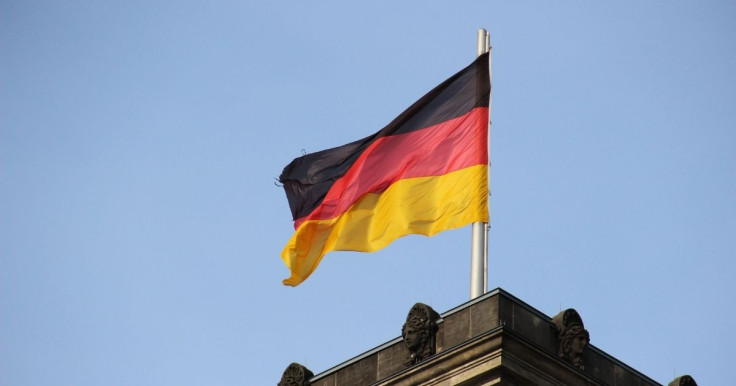
Germany has emerged as the leading opponent of the European Union's proposed €2 trillion (about £1.7 trillion) long-term budget, arguing that the spending plan is financially unsustainable and could place excessive burdens on member states already facing economic pressures.
German government documents outlining Berlin's budget position show that officials are seeking approximately €450 billion (about £387 billion) in reductions to the proposed Multiannual Financial Framework (MFF), the European Union's long-term spending plan covering key programmes ranging from agriculture and regional development to defence and climate investment. The dispute sets the stage for what could become one of the most contentious budget negotiations in recent EU history.
The disagreement comes as European governments face growing demands to fund defence, energy security, industrial competitiveness, and climate goals while managing strained public finances.
What's Behind Germany's €450 Billion Demand?
Germany's concerns centre on the overall size of the proposed budget and the financial commitments required from member states.
As the EU's largest economy and one of its biggest net contributors, Germany contributes significantly more to the EU budget than it receives back in funding. German officials argue that the proposed €2 trillion package exceeds what many member states can realistically support, particularly at a time when governments are under pressure to control spending and reduce deficits.
Berlin has warned that the current proposal risks creating obligations that could prove difficult to sustain throughout the budget period. The government's position reflects broader concerns about fiscal discipline and the long-term affordability of expanding EU programmes.
EU Pushes for Larger Budget
Supporters of the proposal argue that Europe faces challenges that require greater collective investment.
The European Commission has been under increasing pressure to strengthen defence capabilities, accelerate the transition to clean energy, support Ukraine, boost industrial competitiveness, and improve economic resilience following years of geopolitical and economic shocks.
Many of these priorities require significant funding commitments that go beyond traditional areas of EU spending.
Proponents contend that a larger budget would allow the bloc to respond more effectively to emerging threats while reducing dependence on external partners in key sectors such as defence, technology, and energy.
Why Germany's Position Matters
Germany's opposition carries considerable weight because major EU budget decisions require unanimous approval from member states.
As one of the bloc's most influential economies and largest financial contributors, Germany has historically played a central role in shaping EU budget negotiations. Its demand for substantial reductions could encourage other fiscally conservative countries to push for similar changes.
The disagreement, therefore, extends beyond a debate over spending levels and raises broader questions about the future direction of European integration.
The Growing Debate Over Europe's Spending Priorities
The dispute reflects a wider challenge confronting policymakers across Europe.
Governments are being asked to invest more heavily in defence, energy infrastructure, climate adaptation, and economic competitiveness while simultaneously managing debt burdens and public expectations for domestic services.
Supporters of Germany's position argue that fiscal discipline remains essential for maintaining economic stability and public confidence. Advocates of a larger budget counter that Europe risks falling behind global competitors if it fails to invest sufficiently in strategic priorities.
What Happens Next?
Negotiations over the EU's next long-term budget are expected to continue for months, with member states likely to engage in extensive discussions over spending priorities and funding levels.
While compromise is common in EU budget talks, the scale of Germany's proposed €450 billion reduction suggests that significant disagreements remain unresolved. Other member states will now be forced to decide whether to support a smaller budget or back the Commission's vision for increased investment.
The outcome will help determine how the European Union finances its major priorities for years to come.
For Germany, the issue is ultimately about affordability and fiscal responsibility. For supporters of the larger budget, it is about ensuring the EU has the resources necessary to compete and respond to growing challenges. The final agreement will reveal which vision carries greater influence in shaping Europe's future.
© Copyright IBTimes 2026. All rights reserved.
- Recommended For You


