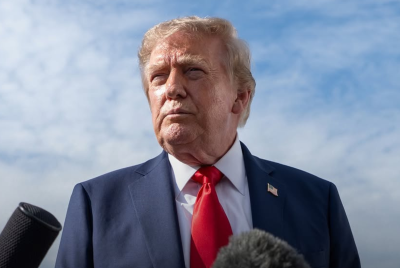
'Knowingly Trampled': Judge Blocks Trump's Plan to Use Immigration Database for Midterm Voter Purges
Judge Sooknanan's ruling prevents the use of the SAVE database for voter verification in upcoming elections.

A federal judge has halted US President Donald Trump's plan to use a revamped immigration database to check voter eligibility ahead of the 2026 midterm elections, delivering a major setback to the administration's election agenda.
US District Judge Sparkle Sooknanan's ruling prevents the Trump administration from relying on the updated system, which critics say risks wrongly purging eligible voters from the rolls.
Federal Judge Blocks Trump's Planned Use Of Immigration Database
In a 75-page ruling issued Monday, Sooknanan sided with voting rights advocates who argued that the administration's changes to the Department of Homeland Security's SAVE database threatened voter privacy and could result in eligible Americans being wrongly removed from voter rolls.
'The federal government has knowingly trampled on the privacy rights of American citizens in a manner that threatens the sacred right to vote,' Sooknanan wrote in her decision. 'This Court cannot stand idly by while that happens.'
The ruling immediately blocks the administration from using the overhauled system for voter verification efforts linked to the November elections.
What Is The SAVE System?
The SAVE system, short for Systematic Alien Verification for Entitlements, was originally designed to help government agencies confirm immigration and citizenship status for public benefits programmes. In 2025, the Trump administration expanded the database's capabilities, allowing state and local election officials to conduct large-scale searches and gain access to additional personal information, including Social Security data, in an effort to identify noncitizens registered to vote.
Administration officials argued the changes were necessary to protect election integrity and prevent illegal voting. Trump and his allies have repeatedly claimed that noncitizen voting poses a significant threat to US elections, despite numerous studies and audits finding such cases to be extremely rare.
Critics, however, warned that the database is prone to inaccuracies and may not always reflect the status of naturalised citizens. Voting rights groups alleged that several Republican-led states had already used SAVE data to remove registered voters who were incorrectly flagged as noncitizens. Organisations, including the League of Women Voters, argued that eligible Americans were at risk of losing access to the ballot box because of outdated records and data mismatches.
Sooknanan agreed, finding that the database overhaul reduced reliability while potentially violating federal privacy protections governing the disclosure of Social Security numbers and other sensitive personal information. Her ruling marks the latest in a run of court defeats for the administration's broader election-related initiatives.
Wider Legal Setbacks For Trump's Election Agenda
In recent months, federal judges have also rejected multiple Justice Department efforts to obtain unredacted voter rolls from states and have allowed lawsuits challenging Trump's executive order restricting mail-in voting to proceed. Courts have repeatedly questioned whether the federal government has the authority to intervene so aggressively in election administration, a responsibility traditionally left to the states.
Supporters of the ruling described it as a victory for voting rights and voter privacy. Advocacy groups argued that allowing federal immigration databases to be used for voter-roll maintenance could discourage participation and create confusion among lawful voters.
The Trump administration is expected to appeal the decision, setting up another legal battle just months before Americans head to the polls in elections that will determine whether Republicans maintain control of Congress. As both parties prepare for a closely contested midterm season, the ruling highlights the growing fight over election security, voter access and the limits of federal power in the electoral process.
© Copyright IBTimes 2026. All rights reserved.
- Recommended For You