PC Andrew Harper Killers Face Fresh Scrutiny Over Early Release From Prison
Family and colleagues of PC Andrew Harper express anger over potential early release of his killers under Government policy.
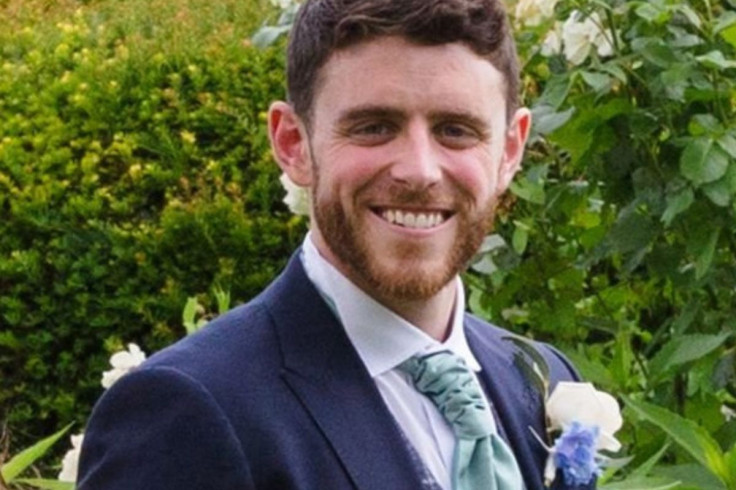
Two men convicted over the death of PC Andrew Harper remain eligible for early release under the Government's prison policy, prompting renewed anger from his family, police colleagues and campaigners.
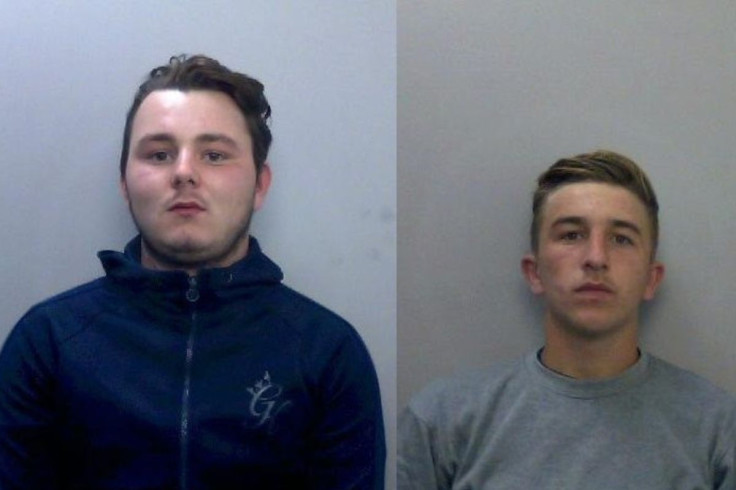
Albert Bowers and Jessie Cole were sentenced to 13 years in prison after being convicted of manslaughter over the death of the Thames Valley Police officer in 2020.
The pair could be released before completing their full sentences under changes to the Government's early-release scheme, which is designed to ease pressure on overcrowded prisons.
The issue has sparked strong criticism from Harper's family and police colleagues. Thames Valley Police has also considered legal action in an attempt to prevent the two men from being released early.
What Happened to PC Andrew Harper?
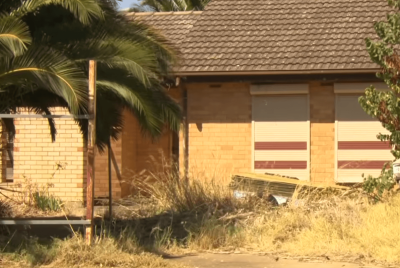
Harper was killed in August 2019 while responding to reports of a quad bike theft near Sulhamstead, Berkshire.
The 28-year-old officer was caught behind a car being driven by Henry Long and dragged for around a mile.

Harper suffered fatal injuries in the incident. Long, Bowers and Cole were later charged in connection with his death.
The three men were cleared of murder but convicted of manslaughter. Long received a 16-year prison sentence, while Bowers and Cole were each sentenced to 13 years.
Why Could His Killers Be Released Early?
The possibility of an early release is linked to Government measures designed to deal with overcrowding in England's prisons.
Under the revised rules, some prisoners serving sentences for violent offences can become eligible for release after serving a proportion of their sentence.
The Government has introduced exemptions for some categories of offenders, including rapists and certain child sex offenders. However, manslaughter convictions have not been completely excluded from the scheme.
That means Bowers and Cole remain eligible for early release despite their convictions over Harper's death.
Government Faces Pressure Over Release
The decision has triggered criticism from Harper's family and those who worked with him.
His widow, Lissie Harper, has strongly opposed the possibility of the two men being released early.
The Thames Valley Police and Crime Commissioner has also criticised the Government's decision, saying Harper was killed while serving the public and that his family and former colleagues would be disappointed by the decision.
More than 230,000 people have reportedly signed a petition opposing the early release of the two men.
Could the Release Still Be Blocked?
The Government has faced calls to create a specific exemption for people convicted of killing emergency workers.
However, ministers have argued that making individual exceptions could create legal difficulties and that excluding all manslaughter convictions would affect a much larger number of prisoners.
Thames Valley Police Chief Constable Jason Hogg has previously expressed concern about the possibility of Bowers and Cole being released early. The force has also considered joining legal action alongside the Police Federation.
The latest review means the issue remains under scrutiny, but the two men have not been removed from the early-release scheme.
When Could PC Harper's Killers Be Released?
Bowers and Cole were sentenced to 13 years in prison in 2020.
Under the current arrangements, they could become eligible for release before completing their full sentences.
The Government's position has caused particular concern because Harper was a serving police officer when he was killed.
While the authorities continue to examine possible legal and policy options, Harper's family and former colleagues are still campaigning against the release of the two men.
The case has also reopened wider questions about how the Government's efforts to tackle prison overcrowding should balance rehabilitation and prison capacity with the demands of victims' families and public safety.
© Copyright IBTimes 2026. All rights reserved.
- Recommended For You