

Patient Rushed Into Isolation as Glasgow Hospital Investigates Suspected Ebola Case
A patient was isolated at Glasgow's Queen Elizabeth University Hospital with suspected Ebola, later confirmed negative.
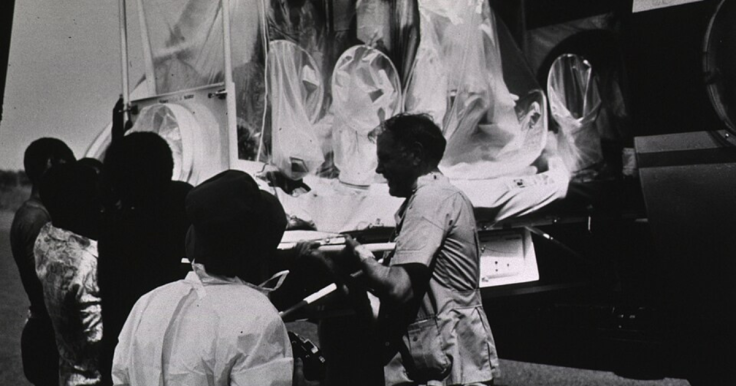
A suspected case of Ebola at a Glasgow hospital prompted an immediate emergency response this week, underscoring the seriousness with which health authorities treat potential high-risk infections.
The patient, who had recently returned from a country affected by an Ebola outbreak, arrived at the hospital during the early hours of Tuesday and was assessed in the Acute Receiving Unit (ARU). Shortly after the initial assessment, medical staff activated precautionary protocols and temporarily restricted access to the ARU while specialist assessments and laboratory testing were carried out.
Although the incident sparked concern, health officials stressed that the response was precautionary and designed to protect patients, healthcare workers and visitors while the suspected case was investigated.
Why the Suspected Case Triggered Swift Action
The NHS follows strict national protocols whenever a patient presents with symptoms that could indicate a high-consequence infectious disease, particularly if they have recently travelled to a country experiencing an Ebola outbreak.
Because the patient's symptoms matched the virus and they had a relevant travel history, clinicians immediately placed the individual in isolation while specialist laboratory tests were arranged. Such measures are intended to minimise any potential exposure until Ebola can either be confirmed or ruled out.
Later on Tuesday, Public Health Scotland (PHS) confirmed that the patient had tested negative for Ebola.
'There are currently no confirmed cases of Ebola in Scotland and the risk to the general public remains low,' the agency said in a statement.
Officials added that the NHS has well-established procedures for identifying, testing and safely managing anyone who may have been exposed to viral haemorrhagic fevers, ensuring suspected cases are handled quickly and safely.
Vigilance Against Ebola Remains Essential
Although the Glasgow patient did not have Ebola, health authorities remain vigilant because of ongoing outbreaks in parts of Central Africa.
PHS is working alongside the UK Health Security Agency (UKHSA) to monitor travellers arriving from affected countries. NHS boards have established systems for assessing suspected cases, carrying out specialist laboratory testing and initiating contact tracing if necessary.
The heightened vigilance reflects the seriousness of Ebola, a disease that can spread through direct contact with the blood or other bodily fluids of an infected person or contaminated materials. Early symptoms often resemble those of many common illnesses and include fever, headache, muscle pain and sore throat before progressing to vomiting, diarrhoea and, in severe cases, internal or external bleeding.
Although vaccines and treatments are available for some strains of the virus, rapid identification, isolation and contact tracing remain the most effective ways to prevent transmission in healthcare settings.
Scotland's Previous Encounter With Ebola
In 2014, Scottish nurse Pauline Cafferkey contracted Ebola after volunteering in Sierra Leone during the West African epidemic. She was diagnosed after returning to Glasgow before being transferred to a specialist isolation unit in London, where she received intensive treatment and later recovered.
While this week's suspected case ultimately proved to be a false alarm, the hospital's rapid response demonstrated how seriously the NHS treats even a single possible Ebola infection. The swift isolation of the patient, temporary restrictions within the hospital and immediate laboratory testing were all designed to protect patients, staff and the wider community while officials determined whether the virus was involved.
For health authorities, the incident served as a reminder that although Ebola remains extremely rare in the UK, maintaining robust preparedness is essential whenever a patient presents with symptoms and a travel history consistent with the disease.
© Copyright IBTimes 2026. All rights reserved.