French Student Fined £348 in Singapore After Licking Vending Machine Straw and Putting It Back
Singapore court fines French student for public nuisance after viral Instagram stunt.
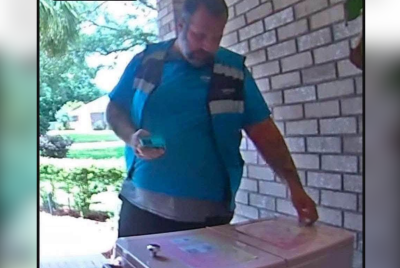
A French student has been fined S$600 (£348) by a Singapore court after licking a straw from an orange juice vending machine and putting it back into the dispenser, in a stunt that went viral on Instagram.
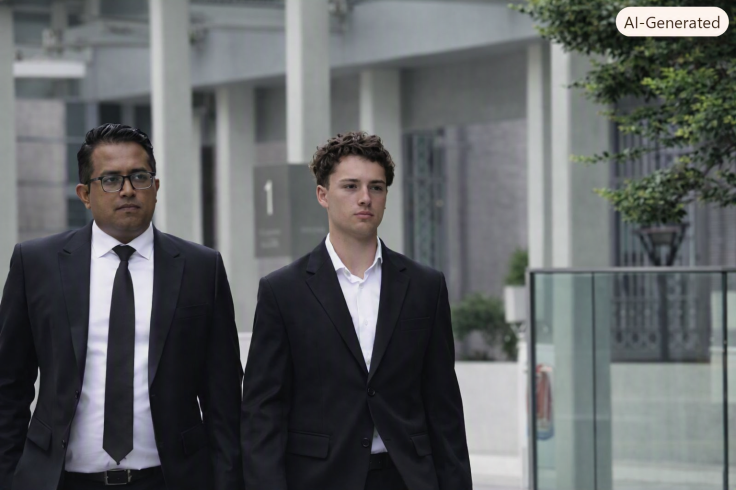
Didier Gaspard Owen Maximilien, 19, pleaded guilty to one count of public nuisance over the incident, which took place on 12 March at an iJooz vending machine in Singapore's Goldhill Centre.
Licked Straw in Goldhill Centre Goes Viral
Maximilien, 19, who is studying in Singapore, filmed himself licking the straw before returning it to the machine. He posted the clip on Instagram with the caption 'city is not safe'.
The video drew widespread disgust online and was reposted to a local community page, which brought it to the attention of Singaporean news outlets. From there, the clip spread quickly across social media, with users criticising the stunt as unhygienic and reckless given that the machine continued to serve other customers.
iJooz Replaces 500 Straws After Contamination Prank
iJooz, which sells freshly squeezed orange juice for S$2 a cup from machines across shopping districts, train stations and housing blocks in Singapore, said it replaced all 500 straws in the affected dispenser following the stunt. The company did not disclose the cost of the replacement or say whether it planned to introduce additional safeguards against tampering.
Judge Rejects Probation, Imposes S$600 Fine
Both the prosecution and the defence sought a fine rather than a custodial sentence. Judge Kelly Ho said that given Maximilien's 'age and nature of the offence', alternatives such as probation or a community-based order would not be imposed. The judge also noted that Maximilien had 'pleaded guilty at the earliest possible opportunity'.
His defence lawyer told the court he was 'truly sorry for having caused all this trouble and he realises that what appeared to him at that time as something perhaps playful has turned out to be something very consequential'.
Public nuisance offences in Singapore carry a maximum penalty of a S$2,000 fine, three months in jail, or both.
Why Singapore Punishes Public Nuisance Offences So Firmly
The case is the latest example of Singapore's strict approach to behaviour that authorities deem a public nuisance or hygiene risk.
Under Section 268 of Singapore's Penal Code, an act qualifies as a public nuisance if it causes common injury, danger or annoyance to the public, even where no specific individual was targeted. Penalties for the offence are set out under Sections 290 and 291, with the severity depending on the level of harm caused.
The city-state has previously taken firm action against foreign nationals for similar conduct. Last year, an Australian man was deported at the end of a nine-day jail term for rushing towards a film star during the Asian premiere of a major film release.
The case highlights how quickly a filmed prank can escalate from a viral social media moment into a criminal charge, particularly in jurisdictions with strict public order laws.
For foreign nationals living or studying abroad, it also serves as a reminder that online content, however lighthearted it may seem, can carry real legal and financial consequences once it draws official attention.
© Copyright IBTimes 2026. All rights reserved.
- Recommended For You