

Nick Reiner Draws $300 Monthly Prison Commissary Cash From Trust Fund of Parents He Allegedly Murdered
The probate fight over the Nick Reiner trust is unfolding alongside a double‑murder case that could see him jailed for life or even face the death penalty
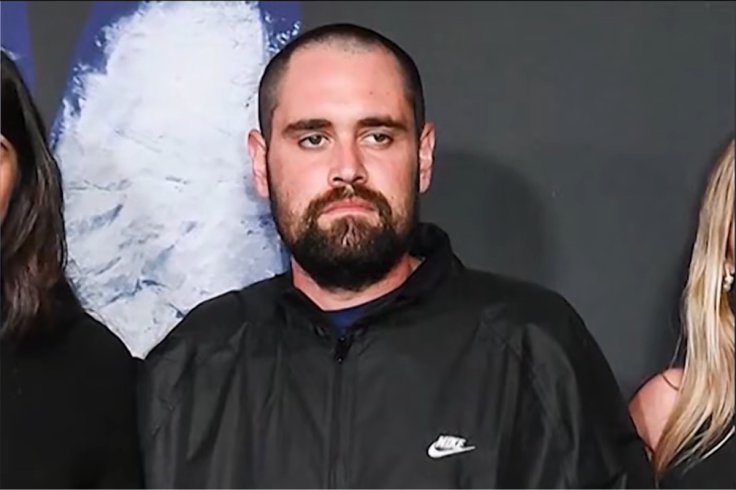
Nick Reiner is drawing $300 a month in prison commissary cash from a trust fund worth about $1.5 million that was set up by the parents he allegedly stabbed to death in Los Angeles, according to lawyers.
The 32‑year‑old, who has pleaded not guilty to murdering filmmaker Rob Reiner and photographer‑producer Michele Singer Reiner, was absent from a Los Angeles Superior Court probate hearing on Monday.
Instead, his lawyers argued over whether the Nick Reiner trust can be unlocked to fund his criminal defence and basic jail expenses. At least $200,000 from the trust has already been spent on legal fees linked to both the murder case and the trust battle, court filings and attorneys say.
The clash over the Nick Reiner trust now runs in parallel with a capital murder prosecution that could leave him in prison for life or potentially facing the death penalty.
Nick Reiner Trust at Centre of High‑Stakes Courtroom Fight
The probate dispute turns on a blunt question that lawyers did not shy away from in court. Should a man accused of murdering his parents be able to pay his legal team and day‑to‑day jail costs out of a trust they created for him in 1993.
Attorneys told the court that the fund contains roughly $1.5 to $1.63 million. Anita Wu, who represents Reiner's interests in the probate case, said in court that $200,000 has already gone out of the trust, including payments towards earlier defence work by high‑profile criminal lawyer Alan Jackson.
On top of that, Reiner receives $300 a month for the prison commissary at Los Angeles' Twin Towers Correctional Facility, where he is being held. His lawyers say he uses that for basics such as socks, soap and other hygiene items.
The trustee now overseeing the fund has pushed back hard against further distributions. In filings described in court and in media reports, the trustee argues that California's so‑called slayer statute, which can prevent someone who intentionally and feloniously kills another person from benefiting from that person's death, should block Reiner from accessing more of the money.
The trustee also contends that previous decisions about the timing of payouts, and how much should remain in the trust, were taken with Reiner's agreement and should stand.
'Entitled to His Own Money': Defence Challenges Trustee
Reiner's side insists the picture is very different. In June, he filed a 136‑page petition claiming that the trust holds more than $1.5 million and that half of it should have been distributed to him when he turned 30 in 2023. Now 32, he says he never received that payment.
The new trustee estimates that about $558,000 became due to Reiner at that point, but argues that he consented to leaving the money in the trust as trust property, allowing it to be withheld and invested.
The trustee further maintains that this alleged consent undercuts any right Reiner might claim to interest or income that built up on the sum after 2023.
Reiner flatly disputes that. In a fresh declaration filed ahead of Monday's hearing and described in court documents obtained by Page Six, he says he never agreed to have the money withheld indefinitely, never authorised his mother to consent on his behalf and does not recall signing any document that would have locked the funds in place.
He now wants the disputed $558,000 released, along with accrued interest and income. Outside the courthouse, Alan Jackson, who quit as Reiner's criminal lawyer in January citing 'circumstances beyond our control' but is now back fighting over the trust, framed the argument in notably simple terms.
'The main thing that to take away from today's hearing and moving forward is that Nick Reiner is very much entitled to his own money, his own funds, and that's what this process is about,' he told reporters.
Jackson and Wu both stress that Reiner has not been convicted of any crime and argue that the slayer statute should not be used to shut off lifetime trust assets before a verdict.
Los Angeles County Superior Court Judge Ruben Garcia did not rule on Monday. Instead, he moved the hearing to 23 October to give himself more time to review the competing submissions.
How the Nick Reiner Trust Collides With the Murder Case
The money dispute is formally separate from the criminal trial, which is being handled in a different courtroom. Monday's hearing focused on a civil probate question, namely the administration of a trust Rob and Michele Reiner established for their son while they were still alive.
Reiner's civil lawyers argue that this distinction matters. They say the funds at issue are not an inheritance flowing from his parents' deaths but a lifetime trust in which he acquired rights when he reached 30, roughly two years before the killings.
In their view, that timing means the slayer statute should not block him from receiving the money, whatever happens in the criminal case. The trustee, however, takes a more cautious line and has cited the statute and Reiner's murder charges as reasons to keep tight control of the trust.
On the criminal side, Reiner has pleaded not guilty to two counts of first‑degree murder and is accused of personally using a knife to stab both parents to death at their Brentwood home.
A Los Angeles County grand jury indictment also alleges special circumstances of multiple murders and lying in wait. If he is convicted, he faces life without parole or possibly the death penalty, though prosecutors have not yet said whether they will seek capital punishment.
Reiner was initially represented in the murder case by Jackson, a well‑known defence lawyer, after his arrest in December. According to the trust petition, Jackson withdrew in January when expected funding from the trust or related family trusts failed to appear.
He has since told the probate court that he would consider returning as Reiner's criminal counsel if money becomes available, effectively tying his involvement to the outcome of the trust fight.
For now, Reiner is represented in the criminal case by Los Angeles County Deputy Public Defender Kimberly Greene.
Mental Health Fears and a Divided Family Around Nick Reiner
Concern about Reiner's condition in custody has been building in the background. One source said in July that he had been diagnosed with schizophrenia and was 'rapidly deteriorating' while incarcerated at Twin Towers. Those claims have not been confirmed by jail officials or the court.
The trust dispute has also underlined tensions and loyalties within the wider Reiner family. Relatives and friends were photographed gathering at the Los Angeles home of Nick's aunt, writer Annie Reiner, in the week after Rob and Michele were killed.
A source later said that 'Annie has been supportive of Nick throughout the legal proceedings' and that, 'Despite the circumstances surrounding the case, she has remained in his corner and her presence has meant a great deal to him.'
Prosecutors allege that Nick Reiner fatally stabbed his parents inside their Brentwood home on 14 December 2025, and that he was arrested hours later.
He has pleaded not guilty to two counts of first‑degree murder, with special circumstance allegations of multiple murders and lying in wait, according to a Los Angeles County grand jury indictment returned on 20 July and unsealed on 12 August.
If convicted as charged, he faces life in prison without the possibility of parole or, if prosecutors choose to pursue it, the death penalty. Separate from the criminal case, the court is now being asked to decide how far an accused killer can go in tapping money his alleged victims ring‑fenced for him during their lifetimes.
© Copyright IBTimes 2026. All rights reserved.