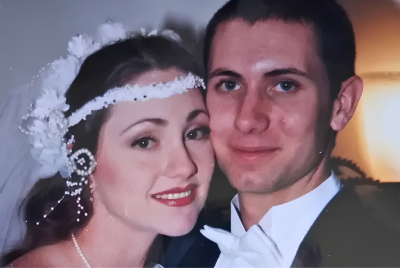
Nick Reiner Trial Update: Death Penalty Sought Over 'Lying in Wait' Slaying of Rob and Michele
The case now heads towards trial as the family grapples with grief, mental health questions and a fight over a $1.5 million trust fund
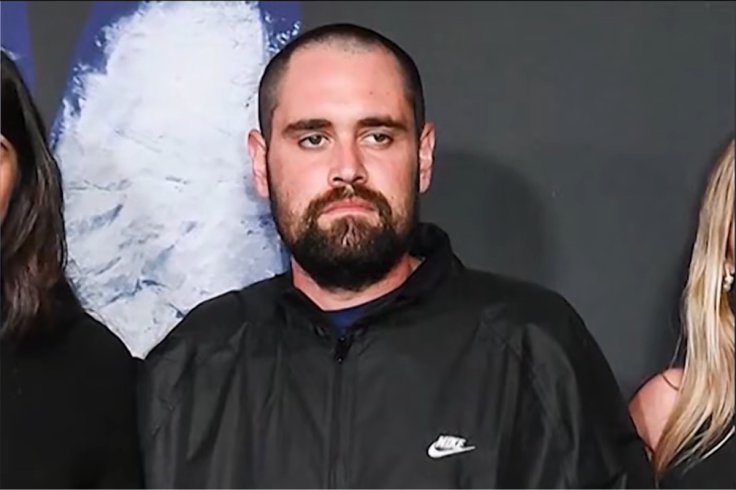
Nick Reiner is now facing the possibility of the death penalty in Los Angeles after a new grand jury indictment alleged he was 'lying in wait' before the December 2025 killings of his parents, acclaimed filmmaker Rob Reiner and photographer Michele Singer Reiner.
The 32-year-old appeared in a Los Angeles court on Wednesday, where he pleaded not guilty to two counts of murder with special circumstances.
Prosecutors say the 'lying in wait' allegation, formally added in the Nick Reiner trial update, exposes him to life in prison without parole or capital punishment if convicted. He is also accused of personally using a knife, which California law treats as a dangerous and deadly weapon.
The indictment, returned on 20 July and unsealed this week, allows prosecutors to move the case directly towards trial.
Lying in Wait Murder Charge Explained
The latest Nick Reiner trial update centres on the 'lying in wait' special circumstance, a phrase that sounds technical but carries serious legal weight in California.
State law and Los Angeles-based criminal defence firm Eisner Gorin LLP describe 'lying in wait' as a form of first-degree murder where a person conceals their purpose, watches and waits for an opportunity, then launches a surprise attack with the intent to kill.
It is formally categorised as an 'aggravating circumstance', meaning it can sharply increase the severity of any eventual sentence.
According to Eisner Gorin LLP's explanation of the charge, prosecutors must show that the accused hid their intentions from the victim, maintained a period of watching and waiting, and then carried out an ambush-style assault with a specific intent to cause death.
The new indictment does not spell out precisely what Nick is alleged to have done inside the Brentwood home on the night his parents died. It instead sets out the legal framework that prosecutors intend to argue in front of a jury.
Los Angeles County District Attorney Nathan J Hochman called the case 'a profound betrayal by someone who was loved and trusted by the very people he is accused of killing'.
In a statement responding to the indictment, Hochman said the grand jury's decision 'adds a special circumstance allegation that the defendant committed the murders by means of lying in wait' and argued that using a grand jury 'will bring us one step closer to a trial and achieving justice'.
Nick Reiner Trial Update Skips Preliminary Hearing
By securing a grand jury indictment, prosecutors have sidestepped California's usual preliminary hearing process. In that setting, evidence would have been aired in open court and witnesses, potentially including family members and medical experts, would have testified about the killings and Nick's background.
Instead, the case moves straight towards trial, with the key charging decisions made behind closed doors. For a case this charged, it is not hard to see why the District Attorney's office might prefer less early public scrutiny of the evidence.
For the defence, led by public defender Kimberly Greene, that also means fewer chances to probe the state's case in public before a jury is seated.
Nick remains in custody at the Twin Towers Correctional Facility in Los Angeles. Under the initial charges he was already facing a potential sentence of life in prison without parole or the death penalty.
The new 'lying in wait' allegation cements that exposure and gives prosecutors an even heavier set of tools if they choose to seek capital punishment, although they have not yet confirmed whether they will.
California's death penalty is currently under a gubernatorial moratorium, but the legal machinery for it still very much exists.
Mental Health, Addiction and a Family in Public View
Beyond the courtroom, the Nick Reiner trial update is unfolding against a backdrop of long-standing mental health and addiction issues.
Nick has reportedly been diagnosed with schizophrenia and has a documented history of drug addiction stretching back years. Those details do not change the charges, but they will almost certainly shape how both prosecution and defence frame what happened inside that Brentwood house.
Family members have already spoken publicly about their devastation. In April, Rob and Michele's eldest son, Jake, wrote that his 'world collapsed' after losing both parents and seeing his brother charged with their murders, adding that 'nothing compares to losing both of them at the same time and, on top of that, having your brother be at the centre of it'.
Nick has also been fighting on a separate front over money. Court records show that in February he requested access to a reported $1.5 million trust fund left by his parents, arguing that he needed the funds to cover legal fees and accusing the trustee of abusing their discretion by refusing.
A hearing on that trust dispute is scheduled for 17 August, with a pre-trial hearing in the murder case set for 15 September.
Nick Reiner was first arrested on 14 December 2025, hours after his parents were found dead at their Brentwood home in Los Angeles.
Rob Reiner, 78, best known for directing films including The Princess Bride, This Is Spinal Tap and A Few Good Men, and his wife Michele, 70, died from 'multiple sharp force injuries' that the Los Angeles County medical examiner said were inflicted 'by another'.
Their bodies were reportedly discovered by their 28-year-old daughter, Romy, in what family and friends have described as an almost unimaginable scene.
Nick was arrested later that day near Exposition Park and initially charged with two counts of first-degree murder. He pleaded not guilty to those earlier charges at a February hearing.
The evidence that will decide his fate, including any forensic findings, mental health records or witness accounts from inside the family's orbit, remains largely sealed from public view.
Prosecutors have not stated whether they will seek the death penalty, though the special circumstance makes it legally available. For now, the case advances toward trial with the 'lying in wait' allegation at its core.
© Copyright IBTimes 2026. All rights reserved.
- Recommended For You