Are Prince Harry and Meghan Markle Pretending to be Heirs? Reality of Their Australia Tour Exposed by Royal Experts
Their mix of hospital visits, military events and a paid wellness weekend is drawing both praise on the ground and renewed criticism at home.

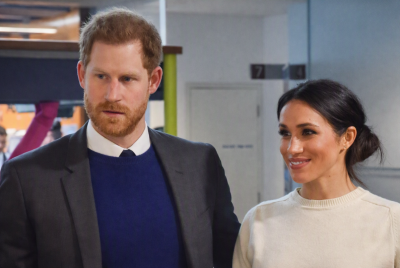
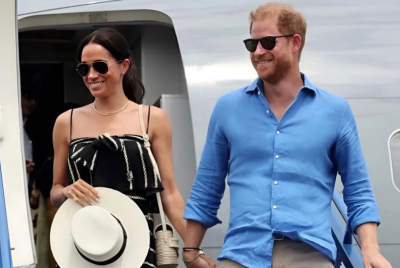
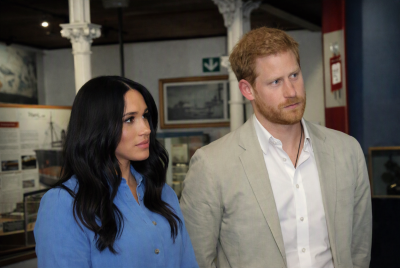
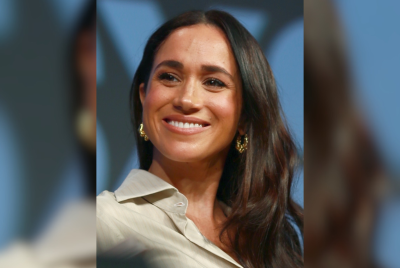
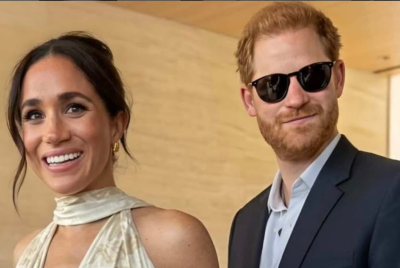
Prince Harry and Meghan Markle spent four days on a tightly packed visit to Australia this week, moving between Melbourne, Canberra and Sydney on what was billed as a private trip but looked, in many ways, like an official royal tour.
The couple—no longer working members of the monarchy—met veterans, visited hospitals, spoke about mental health and early fatherhood, and fronted a paid 'girls wellness weekend' event — a combination that has prompted one royal expert to accuse them of 'pretending to be heirs.'
Prince Harry And Meghan Markle's 'Faux Royal' Tour Questioned
Royal commentator Richard Fitzwilliams, quoted by the Mirror and other outlets, did not mince his words about what he saw unfolding in Australia. In his view, Prince Harry and Meghan Markle 'were obviously positioning themselves as heirs' during a schedule he described as 'carefully pre-planned' and 'faux royal.'
The four-day visit focused on familiar Sussex themes: the veteran community, mental health, sport and youth empowerment. Engagements were spread across Melbourne, Canberra and Sydney. Some Australians dismissed them as 'irrelevant', while others greeted them warmly and turned out to see them in person.
The visit to the Royal Children's Hospital in Melbourne has drawn the sharpest scrutiny. Photographs show Meghan and Harry spending time with young patients and their families, with parents reportedly describing the encounter as bringing much‑needed 'smiles' to their children's faces. Fitzwilliams did not dispute the emotional impact of those moments. He called the images 'touching and heartwarming.'
He said the hospital stop was 'carefully planned to make them successors to a royal tradition', pointing out that Queen Elizabeth opened the hospital in 1963 and that Harry's parents, then Prince Charles and Princess Diana, visited during their 1985 Australia tour.
'To pretend that they were "call me Meg" non‑royals was totally hypocritical,' he argued, insisting they were 'obviously positioning themselves as heirs to a royal tradition.'
A Blurred Line Between Service And Brand For Harry And Meghan
The broader backdrop to Fitzwilliams' criticism is the way Harry and Meghan have navigated the space between public service and commercial life since stepping down. He said their decision to leave, having first sought a compromise, 'was a blow to the contemporary image of the institution' and that it 'subsequently and infamously degenerated into a deep and lasting rift.'
Watching the Australian trip, he suggested, reinforced his view that the couple's public persona has become heavily choreographed. He spoke of 'carefully pre‑planned events' on their 'faux royal' tour of 'Oz' and argued that their relentless positivity at charity engagements sits uneasily alongside what he characterised as more turbulent private behaviour.
In particular, he claimed Meghan, who is estranged from most of her wider family, 'appears ruthless and artificial'.
Meanwhile, Harry's solo schedule in Australia gave further fuel to that debate. On the second day of the trip, he visited a Melbourne football club, where he discussed the challenges of early fatherhood, before flying to Canberra to attend ceremonies at the Australian War Memorial.
Fitzwilliams said these engagements saw Harry 'in his element', pointing to his Invictus links and military background as giving him 'special status when dealing with the military, which has meant so much to him.'
During one appearance, Harry spoke about needing to 'deal with stuff from my past' and 'cleanse' himself. Fitzwilliams suggested that this would 'almost certainly' have resonated with those listening, but added that 'it is the way he has done this that has caused the breach with his family.'
Alongside Harry's military‑focused events and joint hospital visits, Meghan's engagements in Australia included a trip to a women's refuge and a separate 'girls wellness weekend' marketed around her interest in wellbeing. Tickets were reportedly still available, and promotional language suggested attendees could hear Harry speak on mental health or be 'cleansed' during the retreat.
For critics such as Fitzwilliams, this mix of charity, trauma‑sharing and paid lifestyle content shows the couple 'pressing the flesh' in a way that mimics royal duty while remaining outside any institutional framework. He argued that, had they stepped back but 'been positive about the institution', scope might have been found after Sandringham for them to use their 'undoubted talents' within the royal fold.
At the time writing, there is no any direct response from the Sussexes to the claim that they are 'pretending to be heirs.'
The Australia trip comes years after Prince Harry and Meghan stepped down as senior royals following failed attempts to negotiate a 'half in, half out' role. Their departure, formalised in the Sandringham Agreement, severed their ties to official royal tours and public funding, while leaving them free to pursue commercial projects and private philanthropic work.
—
© Copyright IBTimes 2026. All rights reserved.
- Recommended For You