

'Lurid, Preposterous' Claims: Prince Harry's Final Tabloid Fight Ends in £50m Disaster
Court dismisses Prince Harry's case against Associated Newspapers, citing lack of evidence
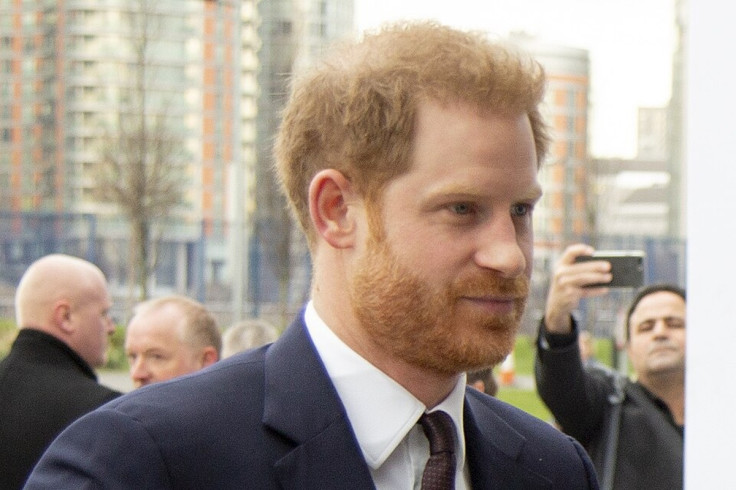
Prince Harry's legal war with Britain's tabloids has suffered its biggest setback yet, after Mr Justice Nicklin threw out the entire case brought by the Duke and six co-claimants against Associated Newspapers Ltd (ANL), publisher of the Daily Mail, Mail on Sunday and MailOnline. Legal observers say the defeat could leave Harry and his allies facing up to £50 million in costs.
The 436-page ruling found that Harry, Doreen Lawrence, Elton John, David Furnish, Elizabeth Hurley, Sadie Frost and Simon Hughes failed to prove any of the disputed material was obtained unlawfully.
The group had alleged a sustained pattern of phone hacking, bugging and other illegal information-gathering by the Mail titles stretching back decades. The judge rejected that case.
Why The Case Fell Apart
The trial ran 11 weeks, with claimants presenting 55 published articles from 1997 to 2015 and three unpublished incidents as evidence of habitual wrongdoing.
Nicklin's central finding was that courts cannot infer illegal conduct when a lawful explanation, such as a press officer, earlier published reporting or celebrity gossip, remains realistic. That standard proved fatal to the claimants' case.
A key blow came from Gavin Burrows, a private investigator once positioned as a star witness. Burrows disowned his own witness statement before trial began, calling it fabricated and denying he'd done unlawful work for the Mail.
Nicklin concluded Burrows had been discredited and that his most serious allegations had no independent support. Claimants' lawyers argued they were hampered by missing records, including invoices and emails they say were lost or destroyed over the years, making it harder to prove older misconduct.
Both Sides Claim Vindication
Harry and Lawrence issued a joint statement calling the ruling a 'complete and obvious whitewash', questioning how justice could be served when the court found insufficient evidence of wrongdoing.
ANL called it a sweeping win for the Mail titles and for press freedom generally. ANL's legal team described the claims as 'lurid' and 'preposterous', arguing coverage came from legitimate sourcing, not covert surveillance.
A company spokesperson said the most serious allegations, including bugged homes and cars, intercepted calls and illicit bank access, were never backed by credible proof, and that the paper's journalists had been unfairly maligned and were now cleared.
Former Mail editor Paul Dacre also commented publicly, framing the lawsuit as an attempt by press-regulation campaigners to damage the paper. He said he could not understand why Doreen Lawrence had joined the case, noting the Mail's campaign for justice over her son Stephen's murder.
Dacre also criticised Harry directly, calling him a 'confused and angry young man' and asserting that Harry's mother, Princess Diana, had been a Mail reader and supporter.
What Comes Next For Harry's Tabloid Battles
Harry has previously secured payouts elsewhere. Mirror Group Newspapers was found liable for hacking-related conduct in 15 of 33 disputed articles, and News Group Newspapers (publisher of The Sun) issued a formal apology and settlement last year over past unlawful activity.
ANL, however, admitted nothing and fought the case fully, a strategy that has now succeeded, with a substantial costs claim expected to follow.
Whether this ruling closes the book on Britain's hacking-litigation era, or on Harry's wider confrontation with the tabloids, remains uncertain. As a legal matter, this was not the outcome Harry was seeking; it was a clear defeat.
© Copyright IBTimes 2026. All rights reserved.