Chinese Man Arrested After Allegedly Using Fake Adoptions to Obtain Dogs for Abuse Videos
A man in Chongqing has been detained in China after allegations he posed as an adopter to obtain dogs and cats, which were later abused and filmed for online distribution.
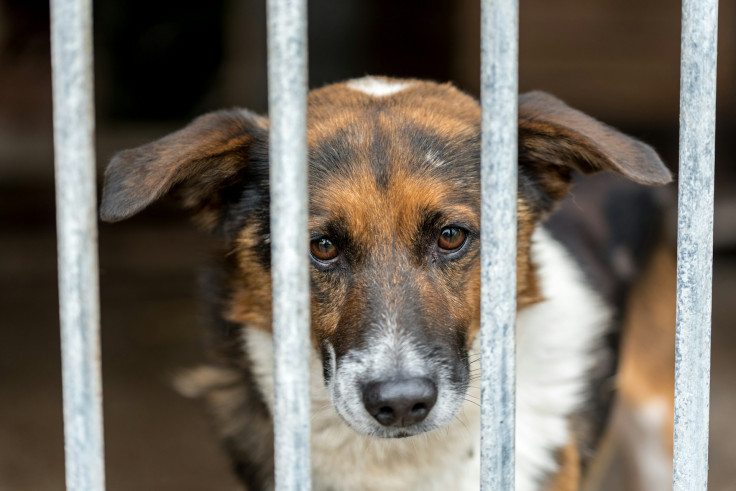
A public outrage has erupted in Chongqing, China, after police detained a suspect accused of posing as an animal adopter before filming acts of cruelty for online distribution.
The man, identified by the surname Li, is alleged to have taken in multiple dogs and cats under false pretences before subjecting them to abuse, prompting protests outside his residence and a probe of China's limited animal cruelty protections.
The BBC reported that the case emerged this week in the south-western city of Chongqing after online posts began circulating allegations that animals taken in for 'adoption' had later been harmed. Police have not confirmed the specific charges under investigation, and animal cruelty itself is not explicitly criminalised under Chinese law, a legal gap that has long been the focus of campaigning groups and intermittent public debate.
Fake Dog Adoption for Abuse Videos
The investigation intensified after a woman who had given away puppies for adoption shared her concerns online. Her account stirred online search by volunteers from an animal welfare group, who later claimed to have discovered one of the puppies abandoned in a stairwell inside Li's residential block.
The animal was said to have suffered severe injuries, including a broken limb, a severed tail, and head trauma. Those details have not been independently verified by police, but they were shared across Chinese social media platforms, where the story quickly gained traction.
Li is reported to have used the popular short-video platform Douyin to advertise himself as a prospective adopter. According to local reporting, he claimed that his children 'absolutely loved puppies,' presenting himself as a family seeking pets.
Investigators believe this was part of a pattern used to gain access to animals before later abusing them and filming the acts for sale online.
Police detained Li following the emergence of the allegations, though authorities have not publicly outlined formal charges or confirmed whether the case will be prosecuted under existing criminal or administrative statutes.
Public Outrage Over Chinese Man
In the hours after the allegations surfaced, more than 100 protesters gathered outside Li's residence in Chongqing, demanding accountability and stricter legal protections for animals. Videos circulating online showed crowds holding handwritten placards calling for punishment and legal reform.
One sign reportedly read, 'Those who abuse animals are merely practising cruelty towards humans,' while another urged lawmakers to 'stop animal abuse' and introduce formal legislation criminalising such behaviour. Some footage also showed police intervening and removing protesters from the area, with local accounts suggesting restrictions were placed on filming and sharing images of the demonstration.
The reaction online was similarly forceful.
On Weibo, users described the alleged abuse as 'appalling', with many calling for 'severe punishment,' reflecting growing frustration among sections of the public over what they see as inadequate safeguards for animal welfare.
Animal cruelty remains a legally grey area in mainland China. While regulations exist for the protection of wildlife and certain farm animals, there is no comprehensive national law criminalising cruelty against pets such as dogs and cats.
Animal Welfare Gaps
The case has revived a longstanding debate over whether China should introduce nationwide animal protection legislation.
Advocacy groups have repeatedly argued that the absence of clear legal penalties allows abusive behaviour to go unpunished unless it intersects with other offences such as property damage or illegal trade.
Authorities, meanwhile, have gradually acknowledged rising public concern over animal welfare, particularly in major cities where pet ownership has surged, and social media has amplified individual cases of abuse or neglect.
In Chongqing, the investigation remains ongoing. Police have not released details of any charges, and it is not yet clear how prosecutors might proceed given the current legal framework.
Because China does not have a comprehensive national animal cruelty law, this means there is no single, standardised punishment for acts like the alleged abuse in the Chongqing case. categories.
In practice, authorities may rely on other offences if the behaviour overlaps with criminal damage, illegal business activity, disturbing public order, or, in some cases, cyber-related crimes if videos are sold online. Where such charges apply, penalties can range from fines and short-term detention to longer prison sentences, depending on severity and cumulative offences.
Local regulations in certain cities or provinces may impose administrative penalties, but they are uneven and limited in scope.
© Copyright IBTimes 2026. All rights reserved.
- Recommended For You