

'I Cried Every Day': Mother Speaks Out as Indonesia Convicts 19 in Baby Trafficking Ring That Sold 34 Infants
Convictions highlight ongoing child trafficking issues in Indonesia
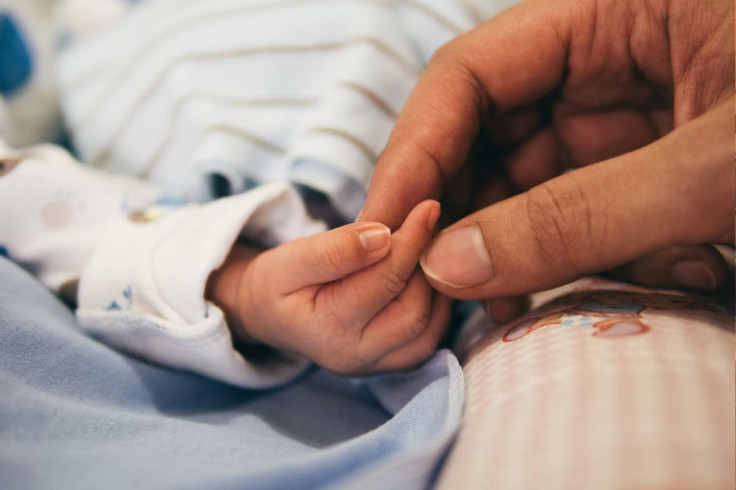
An Indonesian court has convicted 19 people for running a baby trafficking network that unlawfully sold 34 infants to buyers in Indonesia and Singapore, in a case that has sharpened attention on other mothers still caught up in similar schemes, including 39-year-old Jakarta resident Erika Ratna Sari.
Erika fell victim to a separate but structurally similar baby trafficking ring in Jakarta in 2023. Her experience closely mirrors the methods uncovered in the latest case, underlining the wider problem of child trafficking in the region.
Court Jails 19 Over Cross-Border Baby Sales
The convicted syndicate operated between 2023 and mid-2025 before a police investigation brought their network to light last year. The inquiry found that illicit brokers systematically obtained vulnerable babies in West Java, then sold them across borders under the guise of legal adoption.
At the centre of the case was 70-year-old Lie Siu Luan, whom authorities identified as the ringleader. She recruited caregivers, document forgers and women who posed as biological mothers to facilitate the cross-border sales.
The court sentenced her to seven years in prison, the longest term handed to anyone in the group.
The remaining 18 defendants received prison terms ranging from three years and four months to six years and seven months. The legal process is not yet complete.
Lai Siu Ha, accused of fabricating identity documents for the infants, is formally appealing her sentence of six years and seven months.
Her legal counsel released a statement saying they were 'disappointed' with the verdict.
They argued she 'did carry out the acts in question' but said her actions were in line with her assigned role, which related to the processing of civil registration documents.
The lawyers added that two other clients, including alleged main broker Astri Fitrinika, are still considering their legal options.
Poverty and Pressure Behind Baby 'Adoptions'
While these convictions have broken up one syndicate, child trafficking in Indonesia continues to be linked to poverty and the conduct of some medical staff. Erika's account shows how such networks can operate.
A clinic midwife pressured the 39-year-old mother to surrender her newborn daughter because she could not afford the delivery fee of £150 ($200).
After hours of persuasion, Erika and her husband signed away their child and received a small sum from the clinic. She was told she would never see her daughter again. 'I just cried every day,' Erika said.
She went back to the facility for 26 days, asking for information, but staff repeatedly turned her away.
A pro bono lawyer later stepped in and located the adoptive parents, who agreed to return the baby after learning the circumstances. 'I hugged my baby immediately and thanked God for bringing us back together,' she recalled.
An Indonesian court has found 19 people guilty of running a baby trafficking ring that illegally bought and sold 34 infants between 2023 and 2025. The network, led by a 70-year-old woman sentenced to seven years in prison, trafficked babies from West Java for illegal adoption in… pic.twitter.com/HtNxiHXzXg
— DailyMirror (@Dailymirror_SL) July 21, 2026
Legal Uncertainty for 34 Trafficked Babies
What happens next for the 34 children linked to the current court case remains unresolved. Twelve of the infants are now living with couples in Singapore, prompting lawmakers from both ruling and opposition parties there to look again at the country's overseas adoption framework.
Some politicians asked whether current safeguards are effective, while others urged authorities to help prospective parents carry out more thorough checks. The Ministry of Social and Family Development said adoption agencies are required to conduct rigorous checks.
In Indonesia, eight of the rescued babies are in a state-run orphanage in West Java.
The Ministry of Social Affairs is assessing whether they can return to their biological relatives or need alternative care 'in accordance with child protection regulations, with the goal of ensuring safe, legal, and long-term caregiving'. It is not clear how long this process usually takes.
Criminologist Ni Made Martini Puteri noted in a previous interview that the final destinations of many children in such cases are not disclosed. Families who adopt them 'generally do not want to discuss those details', leaving the long-term outcomes for many trafficked infants unknown.
© Copyright IBTimes 2026. All rights reserved.