D4vd Legal Brief Alleges Teen Sex Abuse, Chainsaw Dismemberment And Burn Cage Plot
Los Angeles prosecutors claim David Anthony Burke killed 14-year-old Celeste Rivas Hernandez after she threatened to expose their sexual relationship before his album release

Los Angeles prosecutors have released a sickening account of the alleged murder and dismemberment of 14-year-old Celeste Rivas Hernandez by Singer D4vd.
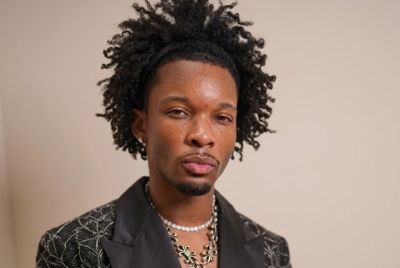
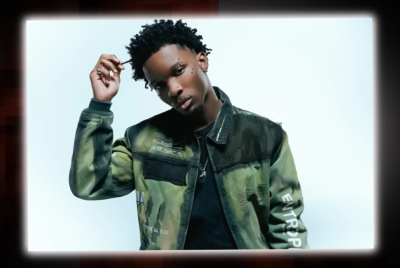
David Anthony Burke, known professionally as D4vd, appeared in a Los Angeles court on Wednesday, 29 April 2026.
The 21-year-old musician faces charges of first-degree murder, child sex offences, and mutilating human remains.
The new legal brief details a methodical cover-up involving Amazon orders for chainsaws, a body bag, and a 'burn cage'. Prosecutors allege Burke killed the teenager in his Hollywood Hills home on 23 April 2025. They claim he acted to silence her after she threatened to expose their illegal relationship and ruin his music career.
D4vd has already pleaded not guilty to charges that include first-degree murder, continuous sexual acts, lewd and lascivious sexual acts with a child under 14 and mutilating human remains. The case first drew intense attention after Celeste's dismembered body was found in a Tesla linked to Burke in September 2025, but the prosecution brief released this week pushes the allegations into even darker territory.

The D4vd Case Prosecutors Are Building
According to that filing, Burke was the last person known to be driving the Tesla in which Celeste's remains were later discovered.
Prosecutors say he was seen in the vehicle on 29 July 2025 before leaving Los Angeles for tour dates, and they argue the car had effectively become a rolling tomb by the time the body was found.

The same brief alleges Burke ordered two chainsaws, a body bag and an inflatable pool on Amazon using a false name after the girl's death. Investigators say fragments of the pool were later found embedded in cut wounds on Celeste's body, a detail so grotesque it almost resists belief, though it remains an allegation for the court to test rather than an established fact.
Police also say Burke travelled repeatedly to an area of Santa Barbara County, including on the night prosecutors say Celeste was killed. One awkward wrinkle in the reporting is a date problem around her passport card, which was found there in January 2025, even though the prosecution timeline elsewhere places her death in April 2025.
Gruesome details of chainsaw and 'burn cage' revealed in D4vd trial as argument with Celeste Rivas, 14, allegedly led to slaying and dismemberment https://t.co/bzLPrPWVkQ
— Daily Mail (@DailyMail) April 30, 2026
Los Angeles Police Chief Jim McDonnell, speaking to ABC7, pushed back at the circus tone that has grown around the case. 'Sadly, some treated this as if it were entertainment. It's not entertainment. It's a tragic life taken in a very brutal way,' he said, adding that investigators had focused on preserving evidence for trial.
A preliminary hearing is set for 26 May, when prosecutors are expected to begin laying out that evidence in court. They have already said the volume is enormous, with more than 40 terabytes of material recovered from computers, tablets and iCloud, and they claim a significant amount of child sexual abuse material was found on Burke's phone.
How The D4vd Timeline Turned Grim
It can be recalled that prosecutors say Burke and Celeste first met in January 2022, when she was 11. They allege the sexual relationship began in November 2023, when she was 13, and he was 18, and that by February 2024, sheriff's deputies had already warned him she was a minor and had been reported missing from her family's home in Lake Elsinore.
'All we do is have sex' minor slams rapper facing death for her 1st-degree murder & lewd acts with child charges
— RT (@RT_com) April 30, 2026
Prosecutors also find 'significant amount' of child p*rn on D4vd's iCloud pic.twitter.com/oYaSpySiJZ
The brief says Burke told deputies he did not know Celeste was underage and claimed he had only met her once in person. Prosecutors now say that was false.
They allege he continued pursuing her, even paying another pupil at her junior high school $1,000 to hand over a replacement phone after her parents confiscated the first one so the two could keep in contact.
From there, the filing sketches what prosecutors say was an entrenched relationship that included weekends at his Hollywood Hills home and trips to Las Vegas, London and Texas to meet his family. Their messages allegedly referred to sex, pregnancy and abortion, and one March 2025 text from Celeste read, 'All we do is have sex and just hang out, man, I want more than that for myself.'
D4VD: The Pretrial Brief from the Los Angeles DA's office (that the defense wanted sealed) details gruesome and disturbing evidence. I am going through the document and a story will be filed shortly. Trigger warning.
— Lauren Conlin (@conlin_lauren) April 29, 2026
Pregnancy, Abortion, Plan B- texts from Celeste to D4vd in… pic.twitter.com/LI0ozP0ab7
Prosecutors say the relationship fractured on the night of 22 April after a long argument in text messages, with Celeste allegedly threatening to expose him and ruin his career just as an album release and lucrative endorsements loomed.
They say Burke then sent an Uber to collect her from Lake Elsinore on 23 April, brought her to his home and killed her there after 10pm, later sending texts to her phone as part of what the filing calls a premeditated cover-up.
That cover-up, as alleged, is chillingly methodical. Prosecutors say Burke ordered a shovel on 24 April, chainsaws on 1 May, then a body bag, heavy-duty laundry bags and the inflatable pool on 5 May, all under a false name but delivered to his address.
D4vd stabbed teen girl, let her bleed out and then went online to buy chainsaws to cut her body in an inflatable pool. She threaten to expose their sexual relationship so he got her uber to his Hollywood home and she vanished. https://t.co/fT2cpKMwnn
— Richard Winton (@LAcrimes) April 29, 2026
On 7 July, they say, he ordered a 'burn cage' as part of a plan to incinerate evidence. None of that has been proved in court yet. But prosecutors also say a search of Burke's garage found blood evidence matching Celeste's DNA and the inflatable pool itself, marked by multiple linear cuts.
If that evidence holds up under scrutiny, it may become the most devastating part of a case already crowded with allegations that are almost too ugly to absorb in one sitting.
If convicted, Burke faces life without the possibility of parole. Prosecutors have not yet decided whether to seek the death penalty. The case has cast a dark shadow over the music industry and raised questions about the grooming of minors in digital spaces.
© Copyright IBTimes 2026. All rights reserved.
- Recommended For You