Save Windermere: How a Grassroots Campaign Turned Britain's Sewage Crisis Into a National Issue
A grassroots movement challenges water companies and demands transparency in sewage data
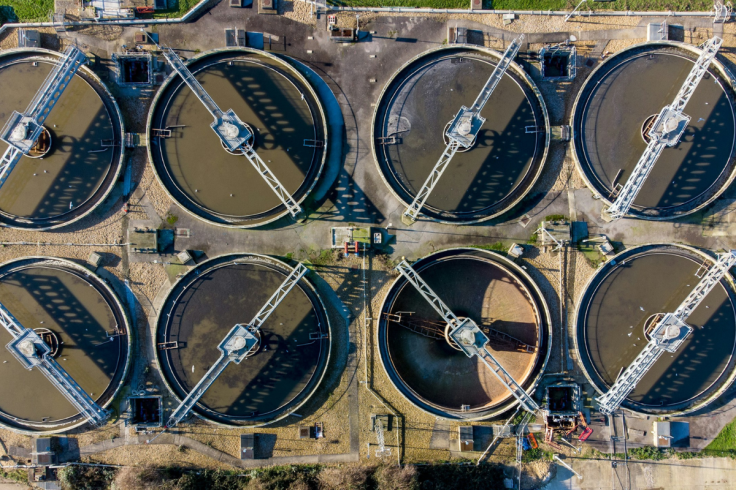
For more than five years, the Save Windermere campaign has become one of the UK's most recognised environmental movements, drawing national attention to the issue of sewage pollution in England's largest lake.
The campaign was launched after more than 7,000 hours of untreated sewage were discharged into Lake Windermere during 2020, prompting local zoologist Matt Staniek to begin campaigning against what he described as a growing environmental crisis. What started as a local movement has since evolved into a nationwide campaign for greater transparency and stronger regulation of water companies.
From Local Protest to National Campaign
Save Windermere quickly gained support from residents, businesses and visitors through weekly demonstrations outside United Utilities' headquarters, documentary films and public awareness campaigns.
One of its most significant achievements came when it exposed United Utilities' refusal to release detailed sewage discharge data. Following the campaign's efforts, the Information Commissioner's Office (ICO) took enforcement action requiring the company to improve transparency, highlighting concerns over the Environment Agency's previous failure to secure disclosure of the information.
The release of additional data provided campaigners with a clearer picture of the scale of sewage pollution affecting the lake.
Record Pollution Sparks Wider Investigation
The campaign gathered further momentum in 2024 after revealing what it described as the worst year on record for sewage pollution in Windermere, with illegal sewage spills recorded on 140 days.
The findings raised concerns about public health, wildlife and tourism in the Lake District, where boating, swimming and other water-based activities are central to the local economy.
The issue soon extended beyond Windermere. Reporting on the lake's pollution contributed to increased scrutiny of several major water companies, including Anglian Water, Northumbrian Water, Thames Water, Wessex Water, Yorkshire Water and South West Water.
According to The Guardian, more than 2,000 sewage overflows operated by these companies discharged untreated sewage into waterways during 2024. While regulator Ofwat pledged tougher oversight and announced potential penalties of up to £300 million, campaigners argued that enforcement remained insufficient.
Critics also questioned why some water companies continued to report strong financial performance despite ongoing pollution concerns. Reports noted that United Utilities was permitted by Ofwat to receive an additional £33.2 million linked to its performance during 2023.
A Campaign Driving National Change
Beyond Lake Windermere, the campaign has helped place sewage pollution firmly on the national political agenda.
It has inspired wider environmental movements, including Surfers Against Sewage, to campaign for cleaner rivers, lakes and coastlines while highlighting the potential risks untreated sewage poses to public health and ecosystems.
More recently, Save Windermere founder Matt Staniek and United Utilities Chief Executive Louise Beardmore appeared together at the Lake District Book Festival to discuss plans for improving water quality.
According to Save Windermere, United Utilities has committed to ending sewage pollution in Windermere and other affected lakes within the next seven years. The company has also pledged to invest £200 million in engineering projects and environmental improvements aimed at reducing future pollution and protecting local wildlife.
Staniek welcomed the commitments but stressed that they must now be backed by action.
'Now is the time to increase the pressure and make sure this commitment turns into action,' he said.
The Fight Is Far From Over
While the dialogue between campaigners and United Utilities represents progress, Save Windermere argues that long-term accountability remains essential.
Campaigners continue to call for greater transparency, stronger regulation and consistent enforcement to ensure water companies deliver on their promises.
For many supporters, the campaign has already demonstrated what sustained public pressure can achieve. However, with sewage pollution continuing to affect waterways across Britain, they believe the work is far from finished.
© Copyright IBTimes 2026. All rights reserved.
- Recommended For You