

Rowan Williams Warns Fear of Islam Is Reshaping Britain as He Questions Tommy Robinson's Christian Faith
Former Archbishop of Canterbury questions political use of Christian identity
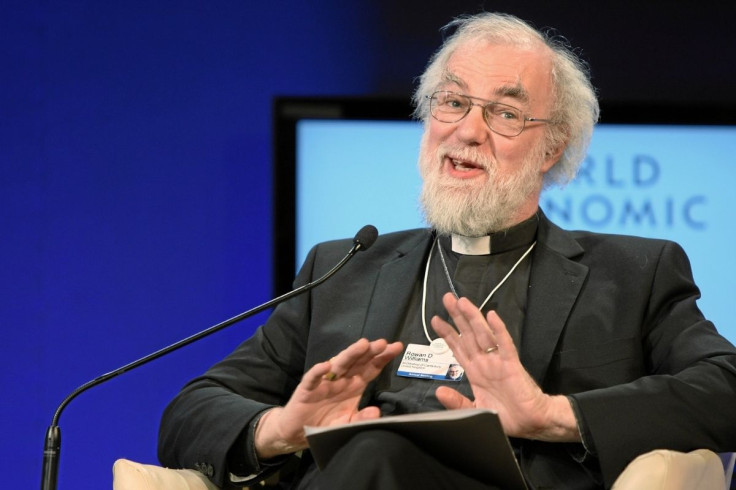
Former Archbishop of Canterbury Rowan Williams has warned that Christianity is increasingly being used to channel anti-Muslim sentiment in Britain, while questioning whether Tommy Robinson's public embrace of Christianity is compatible with his political activism.
Williams' comments come as debates over immigration, Islam, national identity and Britain's Christian heritage become increasingly prominent, with figures including Nigel Farage and Robinson using religious language in their political messaging.
Williams Questions Farage's Christian Message
In comments made to the New Humanist magazine, Williams has expressed concern about the way some political figures invoke Christianity when discussing Britain's national identity.
He questioned whether Farage's emphasis on the country's Christian heritage could contribute to anti-Muslim feeling, particularly when discussions about religion overlap with immigration and national identity.
Farage has increasingly presented Christianity as an important part of British culture while making immigration and concerns about Islam central themes of his political campaigning.
Williams argued that anxiety surrounding migration and Islam is helping contribute to the growth of Christian nationalism in Britain.
Why Tommy Robinson's Faith Is Under Scrutiny
Williams also questioned Robinson's claim to have embraced Christianity.
Robinson, whose real name is Stephen Yaxley-Lennon, has spoken publicly about his Christian beliefs and his experiences studying the Bible. He has also appeared at Christian-themed events, while crosses and Christian slogans have featured at some gatherings associated with his movement.
Williams said he would welcome Robinson genuinely attempting to live according to Christian principles. However, he questioned whether that was compatible with rhetoric that could encourage hostility towards Muslims.
The former archbishop suggested he would have difficult questions for Robinson about whether his political activism was consistent with Christian teaching.
The Rise of Christian Nationalism
Williams linked the growth of Christian nationalism to concerns about migration and anti-Islam sentiment. He also pointed to a broader international trend in which nationalist movements increasingly incorporate religious language into their political identities.
In Britain, Christian symbols can carry both religious and national associations, making them particularly powerful in political campaigns.
Williams warned that Christianity risks being transformed from a faith into a political identity used to distinguish between people regarded as belonging to Britain and those viewed as outsiders.
Farage's Christian Identity
The intervention also places renewed focus on Farage's own use of Christian identity. The Reform UK leader has repeatedly highlighted Christianity when discussing British culture and has argued that the country's Christian heritage should be protected.
Williams' criticism centres on whether such references represent genuine religious conviction or whether Christianity is being used as a political tool. That distinction has become increasingly important as Britain debates immigration, multiculturalism and the place of Islam within society.
A Wider Battle Over Britain's Identity
Williams' comments highlight a growing argument over what Christianity should mean in modern Britain.
Supporters of a stronger Christian identity say Britain's religious heritage should remain visible in public life. Critics warn that religious language can become divisive when it is used to portray Muslims or migrants as outsiders.
For Williams, Christianity should not become a political badge used to justify hostility towards another faith.
The dispute therefore goes beyond Robinson or Farage. It raises a broader question about Britain's future identity and whether Christianity will increasingly become part of the country's culture wars.
As political figures continue invoking religion in debates over immigration and national identity, Williams' warning places renewed attention on where faith ends and political nationalism begins.
© Copyright IBTimes 2026. All rights reserved.