Netanyahu's 'Islamic Republic' Remark About Britain Was Really a Warning About Iran
Remarks highlight ongoing tensions over Iran's nuclear ambitions and UK-Israel relations
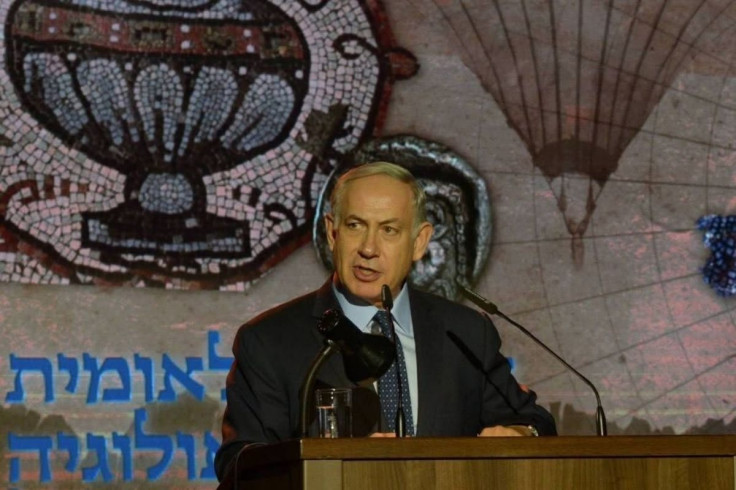
Israeli Prime Minister Benjamin Netanyahu sparked controversy this week after referring to the UK as the 'Islamic Republic of Britain' during a podcast appearance, but the remark was less about Britain itself and more about his long-running campaign against Iran and its nuclear ambitions.
The comment came as Netanyahu discussed Israel's efforts to prevent Iran from obtaining nuclear weapons. Speaking on a podcast hosted by Avi Harush, a former Israeli military officer whose son was killed during the Gaza conflict, Netanyahu lamented what he described as changing attitudes towards Israel in Britain before making the controversial comparison.
His remarks quickly generated backlash online and renewed scrutiny of relations between Israel and the UK, which have become increasingly strained over the war in Gaza and broader Middle East policy disagreements.
Why Netanyahu Mentioned Britain
Although the phrase dominated headlines, the broader context of Netanyahu's comments centred on Iran.
During the discussion, the Israeli leader argued that Israel's military and diplomatic efforts are aimed at ensuring Iran does not become another Islamic state armed with nuclear weapons. He referenced a previous quip suggesting Britain could become the first 'Islamic republic' with nuclear weapons before adding that Israel was working to ensure there would not be 'another one' in Iran.
The remark echoed comments made in recent years by politicians and commentators who have warned about the influence of radical Islamism in Europe. However, Netanyahu's framing placed the focus squarely on Tehran and Israel's belief that Iran remains the most significant long-term threat to regional security.
Benjamin Netanyahu just called Britain the “Islamic Republic of Britain” and Labour has earned every bit of the humiliation.
— NRAW (@unownz2pd) August 14, 2026
On a podcast the Israeli PM said the old Churchill-era solidarity with Israel is gone, and you won’t find it in “what’s known as the Islamic Republic of… pic.twitter.com/Uw1Td8E9oS
Iran Remains Netanyahu's Central Political Issue
For decades, Netanyahu has made Iran's nuclear programme a defining issue of his political career.
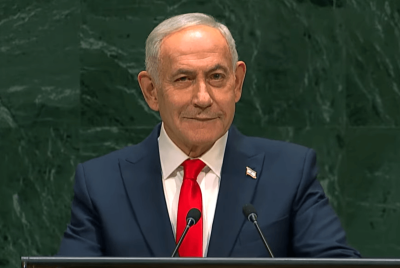
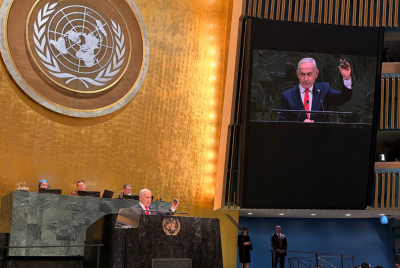
Long before the latest conflict between Israel and Iran, he repeatedly warned that Tehran's nuclear ambitions posed an existential threat to Israel. His speeches at the United Nations, lobbying efforts against previous nuclear agreements and repeated calls for tougher action against Iran have shaped much of his foreign policy agenda.
The issue has become even more prominent following the military confrontations between Israel and Iran over the past two years. Israeli officials have consistently argued that preventing Iran from developing nuclear weapons remains one of the country's most important security objectives.
Recent tensions in the region, including disputes involving the Strait of Hormuz and ongoing disagreements over Iran's military capabilities, have kept the issue at the centre of international diplomacy.
Why the Comment Matters
The controversy surrounding Netanyahu's Britain remark reflects more than a diplomatic disagreement.
The phrase attracted attention because it touched on sensitive debates about immigration, integration, religion and national identity in the UK. However, supporters of Netanyahu argue that the statement was intended primarily as a warning about Iran rather than a literal assessment of Britain.
Critics, meanwhile, accused the Israeli prime minister of using inflammatory language that risked damaging relations with a key Western ally. The comments come at a time when London and Jerusalem have already clashed over issues including Gaza, Palestinian statehood and wider Middle East policy.
Whether viewed as political rhetoric or a deliberate warning, the controversy underscores how discussions about Iran continue to shape Netanyahu's public messaging. The headline-grabbing reference to Britain may have dominated attention, but the message he appeared most eager to convey was that Israel still sees preventing a nuclear-armed Iran as one of its highest priorities.
© Copyright IBTimes 2026. All rights reserved.
- Recommended For You