'Paying the Price': Qatar World Cup Whistleblower Abdullah Ibhais Vanished After Securing US Visa, Family Says
Relatives fear the former Qatar World Cup official is paying the price for agreeing to give evidence in a US lawsuit over alleged migrant worker abuses
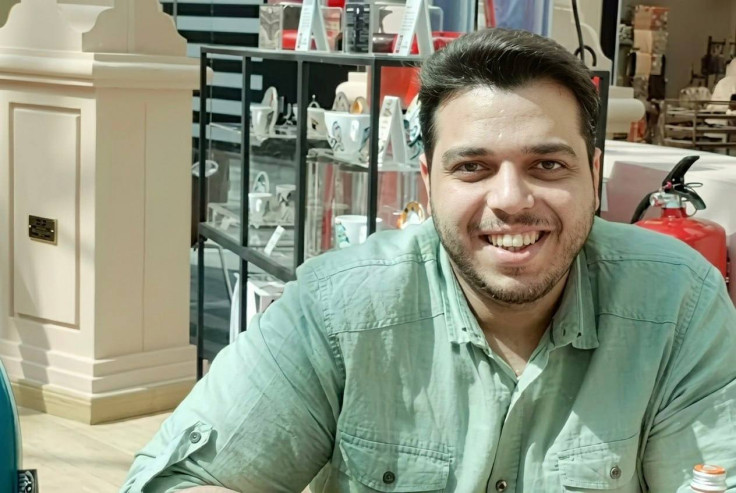
Qatar World Cup whistleblower Abdullah Ibhais disappeared in Amman days after receiving a United States visa to give evidence in a forced‑labour case linked to the 2022 tournament, his family say.
The 38‑year‑old was allegedly seized by Jordanian intelligence officers outside a mosque and has since vanished without access to a lawyer.
They claim Ibhais, who previously spent three years in prison in Qatar after a conviction denounced by rights groups, disappeared just as he prepared to testify as a witness in a US District Court deposition later this month.
The appearance is connected to a lawsuit in Colorado brought by migrant workers, who allege they were subjected to abusive conditions while working on World Cup construction projects, a case in which he was expected to speak about labour conditions in Qatar.
Family Describe Mosque Arrest Before US Deposition
Ibhais's family say he was seized on Friday in the Jordanian capital by plain‑clothes General Intelligence Directorate officers waiting outside a mosque as he left after weekly prayers with his sons.
They say the officers arrested him in front of the children before driving the boys home and taking their father away in a separate vehicle.
Remember Abdullah Ibhais, the #Qatar2022 whistleblower who went to jail because he was honest about bad labour practices, ahead of the @FIFAWorldCup?
— Osasu Obayiuwana (@osasuo) August 7, 2026
This statement was released by his family in Amman, Jordan on Friday:
1. He was abducted from the Mosque. General Intelligence… pic.twitter.com/sIJgkfZS2v
The family say that, to their knowledge, no arrest warrant was presented at the scene. They allege that since then no lawyer has been permitted to contact Ibhais or confirm where he is being held, leaving them increasingly anxious about his legal status and wellbeing.
Ibhais had reportedly secured a US visa on 6 August 2026 at the American embassy in Amman in order to travel to the United States for a voluntary deposition scheduled for 20 August.
The family say he was subpoenaed as a witness by a federal court in Colorado for proceedings concerning alleged forced labour and human trafficking tied to the building of World Cup facilities in Qatar.
They argue the timing of the reported detention is not coincidental and link it directly to his role as a witness on migrant workers' treatment around the tournament. Relatives fear he is now 'paying the price' for refusing to stay silent about alleged abuses.
Family Cite Previous Threats and Passport Seizure
Ibhais's relatives say General Intelligence Directorate officers had 'threatened him with prison' on earlier occasions if he continued publicly raising concerns about his case and the wider conditions faced by workers in Qatar.
They allege that during questioning he confronted interrogators with the suggestion they were acting at the request of Qatari authorities, and did not challenge that assertion.
The family also claim Jordanian forces tried to arrest him in May by searching his home, but that the officers left abruptly after receiving a phone call.
In the same period, they say his passport was confiscated for around two months, which they believe stopped him from taking part in a virtual deposition that had been scheduled to take place at the US embassy in Norway on 30 May 2026.
They add that the passport seizure prevented him travelling to Washington DC for a planned 17 June meeting with US congressman James McGovern.
The lawmaker is said to have written again to renew his invitation and express regret that Jordanian authorities were still holding Ibhais's travel documents.
Ibhais had also been due to speak at the Oslo Freedom Forum, a human rights conference organised by the Human Rights Foundation.
Organisers announced that he could not attend in person because he had been blocked from travelling, and instead he appeared via video link from Jordan.
Qatar Conviction and Rights Concerns
Before moving back to Jordan, Ibhais worked as a senior media manager for Qatar's Supreme Committee for Delivery and Legacy, the body responsible for organising the 2022 World Cup.
He was arrested in Doha in 2019 and later convicted in 2021 on charges including bribery, violation of the integrity of tenders and intentional damage to public funds.
He has always denied wrongdoing, maintaining that he was prosecuted because he urged tournament organisers to acknowledge responsibility for a workers' protest and improve conditions rather than blame 'foreign agents'.
Amnesty International previously criticised his trial as unfair and said his conviction appeared linked to his stance on workers' rights, while Qatari authorities have insisted the case involved ordinary criminal offences.
Ibhais was released in March 2025 after serving about three years in prison when his five‑year sentence was reduced. His family say he has since continued to speak publicly about the treatment of migrant workers in Qatar, a stance they believe has left him exposed to renewed pressure.
Jordanian authorities have not publicly commented on the claims about his latest detention, and it is not clear whether he faces any formal charges.
United States officials and lawyers involved in the Colorado case have also yet to confirm what impact his disappearance will have on the planned deposition.
© Copyright IBTimes 2026. All rights reserved.
- Recommended For You