Trump Claims 'World's Most Active Terrorist', ISIS No. 2 Wiped Out in 'Flawless' Raid — But Nigeria Stays Silent
A president's triumphal boast about a 'flawless' kill shot meets a battlefield where the dead are still being counted and the truth is anything but tidy.
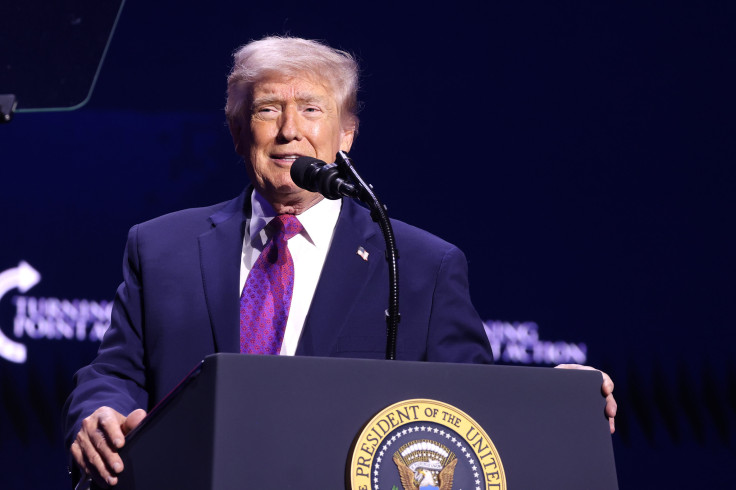
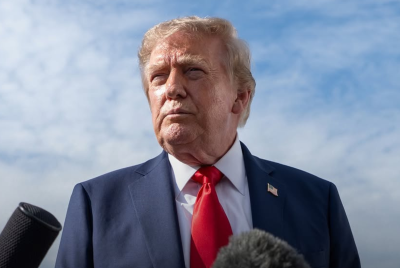
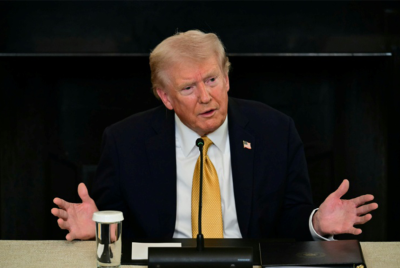
Donald Trump claimed on Friday that a joint US–Nigerian military operation in Africa has killed Abu‑Bilal al‑Minuki, described by Washington as the 'second in command of ISIS globally' and 'the most active terrorist in the world.' Posting on his Truth Social platform, the US president said the mission was 'flawlessly executed' and hailed Nigeria's role, even as officials in Abuja maintained a conspicuous silence.
Mounting concern over Islamic State's spread across Africa, particularly through the Islamic State West Africa Province, or ISWAP, which has entrenched itself around the Lake Chad Basin and the wider Sahel. In 2023, the US Treasury named al‑Minuki also known as Abu Bakr ibn Muhammad ibn Ali al‑Mainuki a specially designated global terrorist, accusing him of orchestrating IS‑linked groups stretching into Niger, Chad and Mali and funnelling money and orders across borders.

Trump Hails Joint Raid as 'Major Blow' to ISIS
In his post, Trump framed al‑Minuki's reported death as a strategic breakthrough rather than a symbolic win. Removing the militant commander, he argued, would 'hit funding channels' and fracture ISIS networks in Africa and beyond, though he did not provide evidence to support that assessment or specify which units carried out the raid.
There were no details on where in Africa the operation took place, how long it had been planned, or whether US forces were on the ground or providing intelligence and air support. Trump's announcement instead leaned heavily on broad brushstrokes, portraying al‑Minuki as the central node in Islamic State's African operations, whose elimination would disrupt both local insurgencies and plots 'to target Americans.'
'He will no longer terrorize the people of Africa or help plan operations to target Americans,' Trump wrote, adding a public thank you to the Nigerian government for what he called its 'partnership' in the mission.
So far, that partnership has been a one-sided story. Nigerian officials have not confirmed the raid, named any of their forces as participants or commented on whether the operation took place on Nigerian soil. In Abuja, the presidency, defence ministry and military command have remained silent, an absence of corroboration that leaves Trump's account resting almost entirely on his own word and prior US designations of al-Minuki.
Nothing in the Nigerian response has been independently verified at this stage. Without an official statement from Abuja or confirmation from security sources on the ground, Trump's version of events should be treated with a degree of caution.
Trump's Boast Sits Uneasily With Nigeria's Civilian Toll
The claim of a 'flawlessly executed' counter‑terrorism operation lands at a sensitive moment for Nigeria's armed forces and their Western partners. Abuja has been deepening military cooperation with Washington in an attempt to blunt jihadist violence in the north and centre of the country. Yet the Nigerian military is already facing sharp scrutiny over civilian deaths in previous air operations.
The Daily Star recently reported allegations from Amnesty International that at least 100 civilians were killed in a series of Nigerian military strikes during clashes with armed bandits. The strikes hit several areas said to be controlled by criminal and extremist groups. Witnesses told investigators that bodies had been 'blown beyond recognition.'
In the north‑western state of Zamfara, the military has been accused of killing at least 72 people in recent operations, after one airstrike reportedly struck a crowded market. Amnesty cited residents who put the death toll at 117 across affected communities. Garba Ibrahim Mashema, a local community leader, told AFP that his own count was 72 dead, but stressed that 'the actual death toll is hard to establish at the moment.'

The Nigerian military has firmly denied that its strikes killed civilians, insisting it was targeting bandits and extremist fighters. That denial sits uneasily alongside the harrowing testimony gathered by rights groups. It also complicates the triumphant tone of Trump's announcement, which hangs the word 'flawless' over a theatre of war where accountability has often come late, if at all.
For Washington, having Nigeria as a willing partner against ISIS in Africa is strategically useful, and Trump's public praise may be aimed as much at shoring up that alliance as at celebrating a battlefield win. For Nigerians living under the shadow of both jihadist attacks and aerial bombardment, the picture is less clear‑cut.
A single, high‑profile target allegedly removed from the battlefield will not quiet long‑running questions about who else is dying in these operations, who is counting the bodies and whose version of events ultimately prevails.
© Copyright IBTimes 2026. All rights reserved.
- Recommended For You