Ken Paxton for the Win? Senate Republicans Openly Seething After Trump Snubbed 20-Year Veteran John Cornyn in Texas
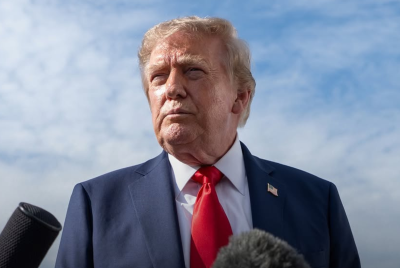
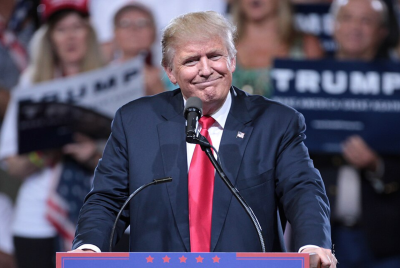
Trump's backing of scandal-hit Ken Paxton over veteran John Cornyn ignites Republican discord.
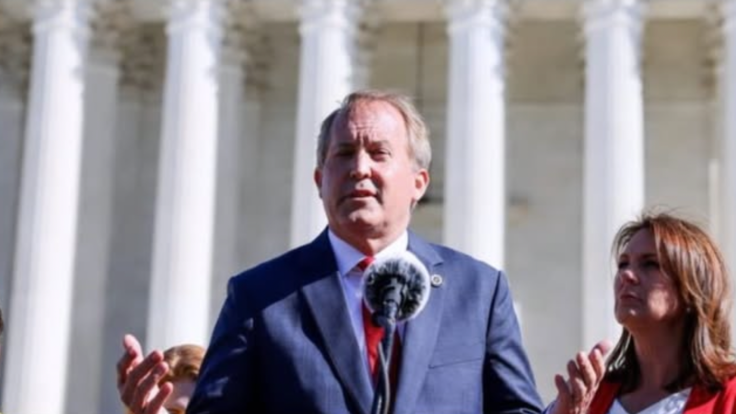
Senate Republicans erupted in barely disguised anger in Washington this week after Donald Trump refused to endorse 20‑year Texas veteran John Cornyn and instead backed scandal‑hit challenger Ken Paxton in the state's GOP Senate runoff on 26 May. The president's surprise move on 19 May, after months of lobbying from Cornyn and his colleagues, has left senior Republicans warning that Trump and Paxton may have made it easier for Democrats to flip a seat they have pursued for decades.
Cornyn, a former member of the Senate Republican leadership, has long been considered one of the party's most influential figures on Capitol Hill. He has represented Texas in the Senate for more than two decades and, until recently, was treated as an automatic favourite to win renomination.
After waffling for months on how to proceed, President Trump endorsed Texas Attorney General Ken Paxton in the state’s Republican Senate primary, a reversal of his earlier plan to endorse Sen. John Cornyn, the 23-year incumbent. https://t.co/5iSGKoGZ1G
— The Washington Post (@washingtonpost) May 19, 2026
Trump's endorsement is often decisive in Republican primaries, and Cornyn spent months courting it in public, even floating the idea of naming a major highway the 'Trump Interstate' to flatter the party's dominant figure.
None of it worked. When Trump finally weighed in, he did so on behalf of Paxton, the Texas attorney general whose legal and ethical troubles have made him a lightning rod in state and national politics. That decision, dropped abruptly into a race where early voting is already under way, caught much of the Republican caucus off guard and injected fresh tension into a party still trying to manage Trump's sway over its internal battles.
Paxton Wins Trump, Loses Senate GOP Goodwill
The frustration among Republican senators was evident in their on‑the‑record comments. Mike Rounds of South Dakota did not attempt to hide his disappointment at seeing Cornyn passed over. 'He was very well‑respected,' Rounds said, referring to his Texan colleague. 'There are a lot of folks in our conference who are disappointed.'
Cornyn's allies in the leadership echoed that line. Senate Republican Majority Leader John Thune told reporters at his weekly news conference that he had been clear for months about where he stood in the Texas primary and that Trump's intervention would not change that.
BREAKING: Trump endorsed Ken Paxton in the Republican U.S. Senate primary runoff against Sen. John Cornyn in Texas.
— Republicans against Trump (@RpsAgainstTrump) May 19, 2026
Paxton was impeached by the Republican-controlled Texas House in 2023 over allegations of bribery and abuse of office.
Very good news for Democrats pic.twitter.com/EcR4klKJyY
'Senator Cornyn is a principled conservative. He is a very effective senator,' Thune said. 'None of us control what the president does. He made his decision about that. That doesn't change the way I feel.'
The subtext was hard to miss. For years, Senate Republicans have tried to present a public face of unity even as Trump has reshaped their party in his own image. Here, the clash is unusually personal.
Cornyn is one of their own, a fixture in the chamber's hierarchy. Paxton, by contrast, arrives as the insurgent outsider with a cloud of controversy over him, but with Trump's stamp of approval.
Some in the party are now willing to say aloud what they once would only mutter in private, that Trump is again elevating the candidate he likes over the one they believe is safest in a general election.
Democrats Scent Opportunity as Trump Backs Paxton
Democrats wasted no time in turning the Republican drama to their advantage. To them, a general election against Paxton looks far more inviting than a fight with a well‑entrenched incumbent like Cornyn.
'Texas is a huge mess for Republicans,' Senate Minority Leader Chuck Schumer of New York said, openly savouring the turmoil. 'I believe that we're in much better shape taking back Texas than we were a few days ago.'
Their preferred standard-bearer is James Talarico, a state legislator whose polling numbers Democrats say suggest he could conceivably turn the long-coveted Texas Senate seat blue.
The calculation is straightforward. A weakened or polarising Republican nominee would give Talarico an opening in a state where statewide Democratic victories remain elusive but are no longer unimaginable.
Some Republicans share that concern, even if they frame it more cautiously. Senator Lisa Murkowski of Alaska told reporters that Trump's endorsement 'puts that seat in jeopardy,' according to The New York Times. Coming from a Republican who has often charted her own course with the president, the warning still underlined just how jittery parts of the party are about the Texas race.
Lindsey Graham of South Carolina, usually one of Trump's staunchest allies in the Senate, also voiced misgivings. While he said he believed Paxton could still win, he added that doing so would be 'three times more expensive,' a nod to the extra resources Republicans may now have to divert to defend what had once looked like a safe seat.
A Texas Test for the GOP
The immediate effect of Trump's intervention is to turn the Cornyn–Paxton runoff into a test of how much sway he still holds over Republican voters when elite opinion in Washington points firmly the other way. Cornyn has the backing of the Senate leadership and a record of delivering for his state in the appropriations process. Paxton has the president's blessing and a reputation as a culture‑war champion.
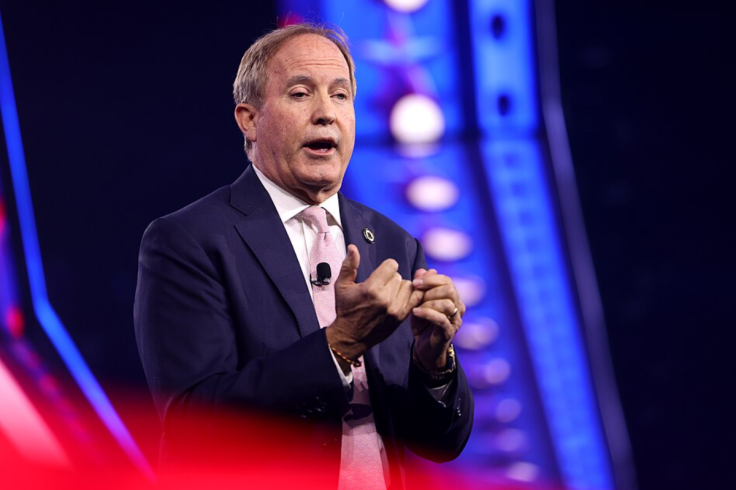
Early voting in Texas is already under way, and Republicans on Capitol Hill now find themselves watching nervously from afar. If Cornyn survives, it will be read as evidence that Trump cannot always bend primaries to his will and that long‑serving incumbents still have deep reservoirs of support. If Paxton wins, the party will have to rally around a nominee many of them regard as risky, in a cycle where control of the Senate may hinge on a handful of close races.
What none of them can do is undo Trump's choice. As Thune put it, senators do not control what the president does. They can only decide how loudly to complain afterwards, and how heavily to invest in trying to clean up whatever political mess he leaves behind in Texas.
© Copyright IBTimes 2026. All rights reserved.
- Recommended For You