Senate Revolt Over Iran War: Trump Rebuked as Republicans Join Bid to Halt Military Action in Iran to End War
Senate advances resolution to limit Trump's military actions in Iran, revealing bipartisan concerns.

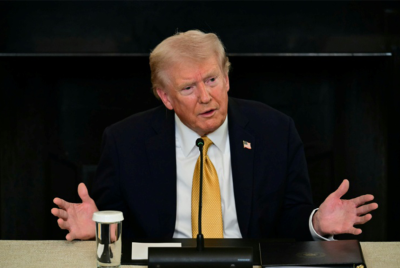
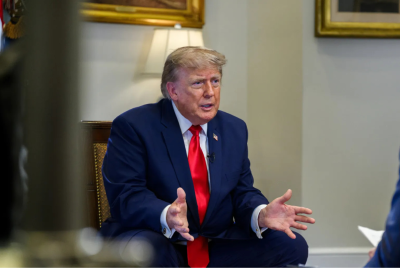
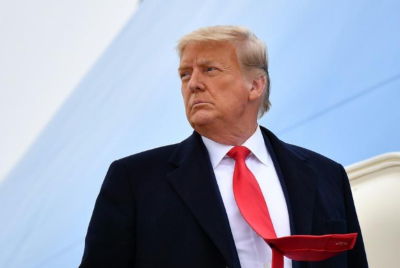
The US Senate delivered a major rebuke to President Donald Trump after advancing a measure aimed at limiting military action involving Iran without congressional approval.
In a tense 50-47 procedural vote, a group of Republican senators broke ranks to support a war powers resolution designed to require the White House to seek authorisation from Congress before continuing military operations.
The move marked a significant bipartisan challenge to Trump's handling of the conflict with Iran.
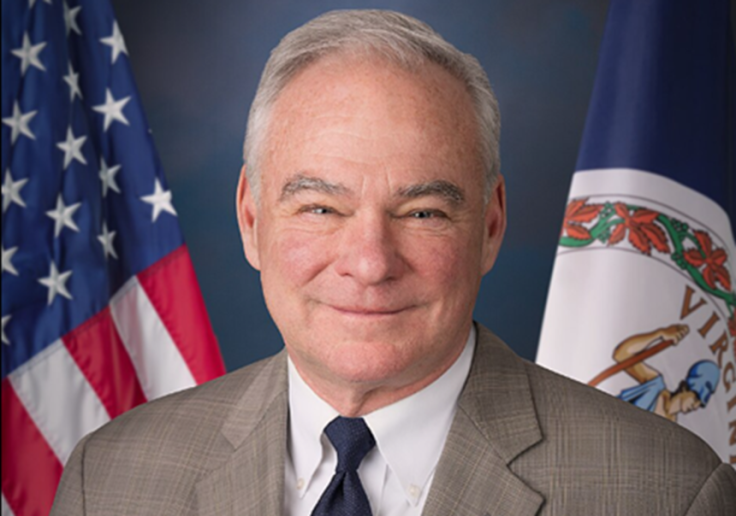
The resolution, introduced by Democratic Senator Tim Kaine, seeks to halt unauthorised military involvement in Iran unless lawmakers formally approve it. Supporters argue the US Constitution gives Congress — not the president — the sole power to declare war.
The Senate vote came after months of growing unease in Washington over the expanding conflict, which has already triggered fierce political divisions and renewed fears of a prolonged Middle East war.
Republicans Break with Trump
The breakthrough only became possible after four Republican senators sided with Democrats in a rare bipartisan revolt against the White House.
Republicans Bill Cassidy, Lisa Murkowski, Rand Paul and Susan Collins all backed the measure, exposing widening cracks within Trump's own party.
Cassidy's decision drew particular attention after the Louisiana senator recently lost a primary battle against a Trump-backed challenger. Reports suggested frustration over a lack of transparency from the White House and Pentagon helped sway his vote.
Democrats seized on the result as evidence that support for the conflict is beginning to weaken. Senate Minority Leader Chuck Schumer described the vote as proof that bipartisan concern was growing over what critics call an unauthorised and chaotic war.
Not all Democrats supported the measure, however. Senator John Fetterman opposed the resolution, highlighting continuing divisions even within the party.
Trump Faces Mounting Pressure
The White House has insisted Trump's actions remain lawful under presidential commander-in-chief powers and argues that a fragile ceasefire with Iran means the United States is no longer engaged in active hostilities. Critics strongly dispute that interpretation.
The administration has also faced mounting questions over its long-term strategy, military objectives and the overall cost of the conflict.
Public concern has intensified as fuel prices rise and fears grow that the fighting could spiral into a wider regional crisis. Recent hearings on Capitol Hill exposed increasingly heated disagreements between lawmakers and military officials over America's role in the war.
Despite the Senate advance, the resolution still faces major hurdles. The Republican-controlled House would also need to approve the measure before it could reach Trump's desk, where it would almost certainly face a presidential veto. Overriding such a veto would require overwhelming bipartisan support in both chambers of Congress.
Even so, the Senate vote has become a powerful political warning sign for Trump, revealing that concern over the Iran conflict is no longer confined to Democrats alone.
The Talking Points of the Bill
The Senate moved forward on Tuesday with a resolution aimed at stopping military action in Iran after Republican Senator Bill Cassidy unexpectedly broke ranks, handing President Donald Trump a major political setback.
Although the vote was only an initial step, it suggested there may be enough support in the Senate to pressure Trump into either withdrawing US military involvement in Iran or seeking approval from Congress for any further action.
Even after passing by a 50-47 margin, the War Powers Resolution still faces steep obstacles, including final Senate approval, passage in the House of Representatives and an almost certain veto from Trump.
For now, the battle over America's role in Iran appears far from over — both on the ground and in Washington.
© Copyright IBTimes 2026. All rights reserved.
- Recommended For You