

United Delta Merger Almost Changed US Air Travel Before Delta Pulled the Plug on Deal
Combining America's two most profitable airlines would have created an unprecedented mega-carrier

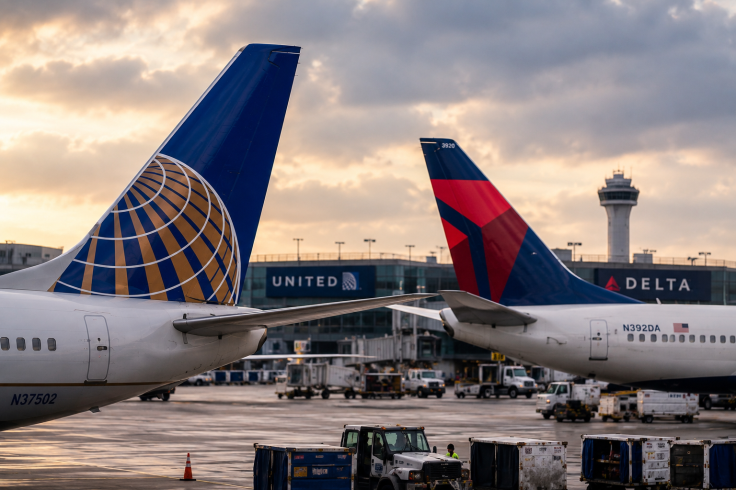
When United Airlines quietly approached Delta Air Lines with a landmark proposal to join forces, it triggered high-stakes deliberations behind closed doors.
The bold attempt to combine the country's two largest carriers sent shockwaves through the aviation sector as executives carefully weighed the historic offer. However, after a thorough internal review of what would have been an unprecedented industry tie-up, Delta ultimately decided to reject the proposal.
United Approached Delta With Landmark Proposal
Seeking a landmark industry deal, United Airlines approached Delta Air Lines last year about a potential combination of the two largest US carriers, people with knowledge of the matter revealed. People familiar with the talks said United Chief Executive Scott Kirby reached out directly to Delta CEO Ed Bastian with the proposal.
Delta executives evaluated the approach and weighed the prospective deal during an initial review, according to people with knowledge of the matter. However, discussions stalled, and both airlines ultimately walked away from the proposal, the sources added.
Scott Kirby's Ambitious Expansion Strategy
Unreported until now, the approach underscores Kirby's willingness to make bold moves in pursuit of his global vision for United. His later attempt to discuss a deal with American Airlines, which American rejected, also came to light earlier this year.
Following a series of mergers over the past two decades, United and Delta have emerged as two of the four major players dominating the US aviation market. Industry insiders had long viewed a tie-up between the airlines as unrealistic because of antitrust hurdles.
Even so, executives across a range of industries remained hopeful that mega-deals, including those once considered completely out of reach, might gain approval during President Trump's second term.
Antitrust Hurdles Loomed Over Potential Deal
A merger between United and Delta, two of the world's largest carriers, would have had major consequences for competition and travellers alike. The proposal would almost certainly have faced fierce opposition from antitrust officials and state attorneys general.
Kirby has been open about his admiration for Delta. The Atlanta-based airline has spent years challenging the traditional belief that passengers care only about securing the lowest fare that fits their schedule. By prioritising the passenger experience, Delta has given premium travellers a reason to remain loyal, making it the most profitable carrier in the US.
The strategy has served as a blueprint for United's own transformation over the past few years. Together, United and Delta generated more than 90 per cent of the sector's total earnings last year. As of Friday, Delta was valued at approximately $56 billion, while United's market capitalisation stood at nearly $38 billion.
Political Backlash Over Airline Consolidation
Widespread criticism erupted earlier this year after Bloomberg revealed that Kirby had suggested a combination of United and American during a meeting with President Trump. Members of Congress warned that such a move could harm travellers, while Trump openly voiced his disapproval. American CEO Robert Isom was equally scathing, branding the concept 'anticompetitive'.
Soaring fuel costs, which are putting pressure on the sector, have historically triggered major restructurings across the aviation industry. While Bastian acknowledged that weaker regional carriers might consolidate, he made clear that Delta has no interest in pursuing such deals. Similarly, Kirby indicated that he has no desire to pursue lower-tier mergers.
© Copyright IBTimes 2026. All rights reserved.